Silencio Asesino
1983
No user ratings available yet
Representation score: 1.2 out of 10
Representation Score
Minimal
1991
Director
Damián Acosta Esparza
Runtime
86 minutes
Average Rating
No ratings yetNew Showbiz Analysis
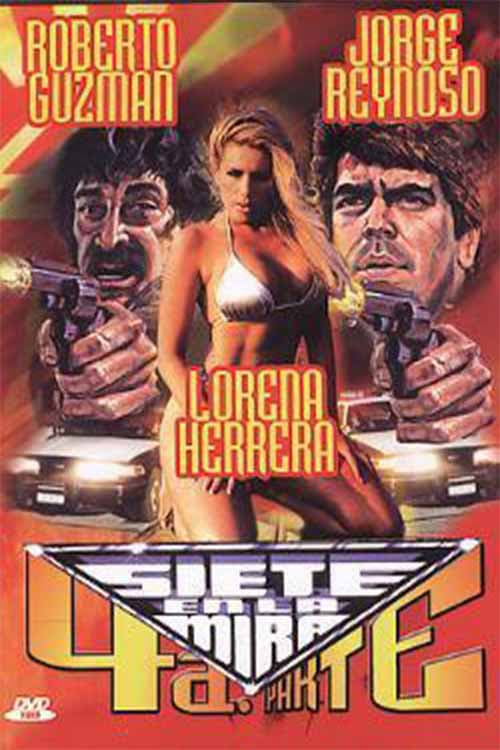
Siete en la mira 4: Yo soy la ley is a localized entry in the 1990s Mexican action and crime tradition. The film prioritizes kinetic storytelling and genre clichés over the deconstruction of social hierarchies or multi-layered representation. Because the work functions as a standard genre piece, it lacks documentation of progressive narrative structures. It operates within the conventional constraints of its era and region, focusing on established crime clichés rather than social subversion. Ultimately, the film reflects the demographic reality of its domestic market without offering intentional complexity regarding identity politics or systemic power dynamics.
Category Breakdown
The film does not include any characters with non-binary gender identities. There is no critique of the assumption that everyone is straight or cisgender.
The film seems to reinforce traditional masculine roles and physical dominance typical of 1990s crime cinema. It adheres to standard gender hierarchies.
As a Mexican production, the film offers regional representation within a Latin American context. However, it does not disrupt broader media norms.
The narrative follows standard genre-specific morality typical of law enforcement or vigilantism themes. It does not critique systemic institutional issues.
There is no information about the inclusion of neurodivergent or physically disabled characters in this work.
Present on Screen
Limited or Absent
Official Synopsis
Mexican feature film
1983
2004
1992
1996

2008

1991
1978
1986
No reviews yet. Be the first to share your thoughts on this movie!
Use the rating form above to leave a star rating and optional review.