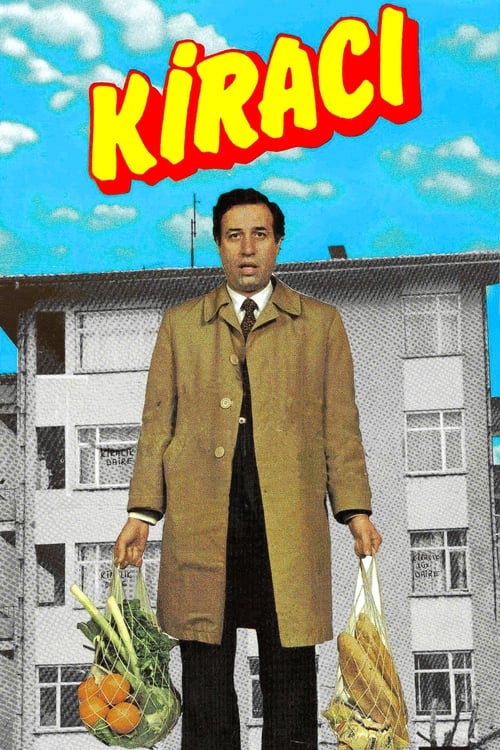
Kiracı
1987
No user ratings available yet
Representation score: 3.4 out of 10
Representation Score
Limited
1984
Director
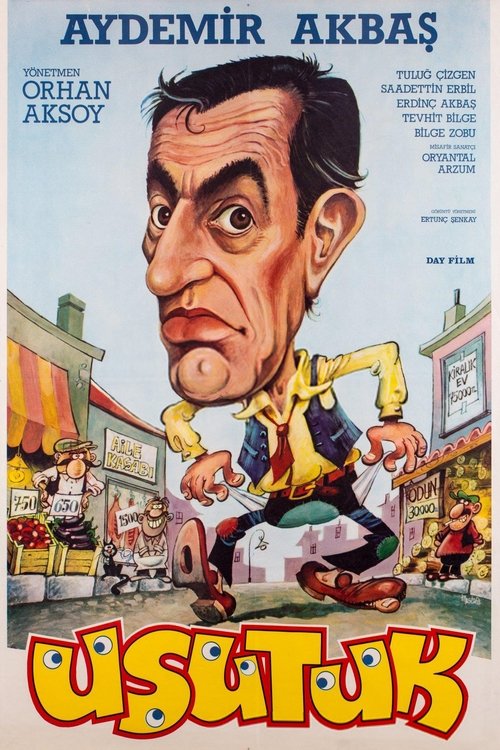
Orhan Aksoy
Runtime
66 minutes
Average Rating
No ratings yetNew Showbiz Analysis
Üşütük is a period-specific social drama that captures the tension of evolving gender roles in 1980s Turkey. While it empowers the female lead through independent labor, the narrative remains focused on the domestic consequences of her actions. The film delves into class-based stressors and the interplay between traditional family structures and modern, secular environments. However, it lacks broader representation of LGBTQ+ identities or ethnic diversity, emphasizing a localized, homogeneous social landscape. Ultimately, the film portrays a transitional moment in social dynamics. It highlights the female pursuit of economic independence but frames it through the lens of patriarchal distress rather than a systemic challenge to traditional hierarchies.
Category Breakdown
The film does not include explicit LGBTQ+ characters or narratives. The main storyline revolves around traditional marital and economic issues rather than queer identities.
Nuriye gains economic independence by working at a disco, challenging her role as a dependent wife. However, the plot centers on her husband's psychological struggle with her newfound autonomy.
The production reflects the demographic homogeneity of Turkey in 1984. It operates within a localized cultural framework without showing ethnic diversity.
The story examines the tension between traditional family structures and modern social spaces like discos. It addresses class-based stressors through the lens of low-income domestic life.
There is no indication of characters dealing with physical or neurodivergent disabilities. The husband's psychological reaction is a plot driver but is not framed as a disability narrative.
Present on Screen
Limited or Absent
Official Synopsis
Nuri has a low salary job and can't convince his wife to live with it, so the wife (her name Nuriye) tries to go out and work with her brother at a disco and this makes Nuri become crazy.
1987

1977

1978

2009
2009

1970
1986
1988
No reviews yet. Be the first to share your thoughts on this movie!
Use the rating form above to leave a star rating and optional review.