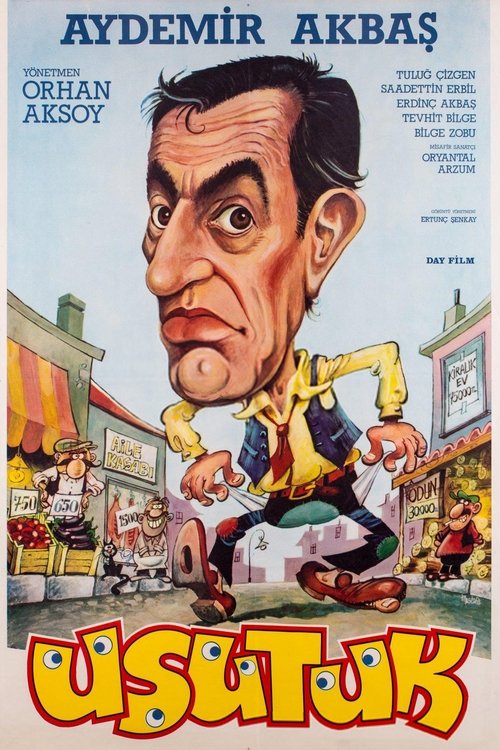
Üşütük
1984
No user ratings available yet
Representation score: 2.9 out of 10
Representation Score
Limited
1978
Director
Orhan Aksoy
Average Rating
No ratings yetNew Showbiz Analysis
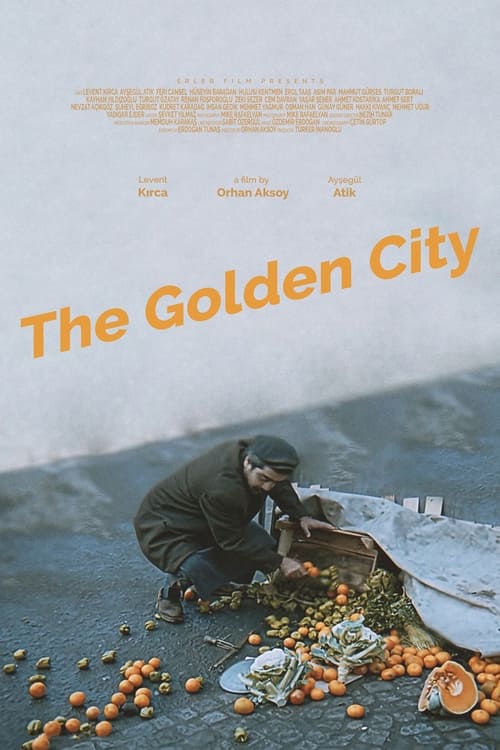
Taşı Toprağı Altın Şehir functions as a social realist drama that prioritizes class struggle over identity-based representation. It effectively captures the friction between agrarian traditions and the predatory nature of urban capitalism. The film succeeds in depicting the economic precarity of the migrant experience. It uses the family's struggle with debt and illicit survival tactics to critique rapid modernization. However, the work lacks modern markers of diversity. The narrative remains centered on traditional structures, offering little visibility for LGBTQ+ identities or diverse racial backgrounds.
Category Breakdown
The film focuses solely on traditional nuclear families and kinship. There are no indications of LGBTQ+ characters or non-straight relationships in the narrative.
Fatma demonstrates ability to act by working as a maid to support her family's mobility. However, the central conflict revolves around patriarchal tensions caused by her employment.
The story centers on ethnic homogeneity during internal migration. It explores class-based 'othering' rather than diverse racial backgrounds, positioning rural migrants as urban outsiders.
The narrative critiques how urban expansion and capitalism corrupt traditional village morality. It highlights the struggle to maintain integrity against systemic corruption and debt.
There is no evidence regarding the portrayal of physical or neurodivergent disabilities in the film's narrative.
Present on Screen
Limited or Absent
Official Synopsis
The story of Ökkes who leaves his small village for Istanbul with his wife Fatma, his son Mehmet, and his brother Cemal. They buy a tractor and work hard to pay it off. Fatma takes a job as a maid for a bar owner, a situation that unsettles Ökkes, while Mehmet becomes involved in selling illegal cigarettes, and Ökkes starts a fruit-selling business.
1984

1977
1990
1985
1991

1982

1977

1979
No reviews yet. Be the first to share your thoughts on this movie!
Use the rating form above to leave a star rating and optional review.