
Secrets Secrets
1985
No user ratings available yet
Representation score: 6.5 out of 10
Representation Score
Fair
1980
Director
Giuseppe Bertolucci
Runtime
110 minutes
Average Rating
No ratings yetNew Showbiz Analysis
Giuseppe Bertolucci’s drama is a psychological exploration of domestic dysfunction. It successfully deconstructs gendered power dynamics and critiques the stability of the bourgeois middle class through its protagonist's descent into chaos. However, the film lacks demographic diversity. The narrative remains focused on a homogeneous European social group, offering limited representation of racial, LGBTQ+, or disabled individuals. Ultimately, the film is a targeted critique of social structures rather than a broad celebration of diverse identities.
Category Breakdown
The film examines hidden desires and the collapse of traditional romance. However, it does not include explicit representations of non-straight or non-cisgender identities.
The story centers on a woman fighting against patriarchal and maternal pressures. It challenges typical domestic narratives by showing the protagonist as a victim of systemic oppression.
The narrative focuses on a homogeneous social group. There is no indication of significant racial or ethnic diversity within this localized European setting.
The film questions the sanctity of traditional bourgeois marriage and morality by depicting the nuclear family as a source of torment. It critiques Western institutions.
There is no evidence of physical or neurodivergent disabilities being portrayed in this work.
Present on Screen
Limited or Absent
Official Synopsis
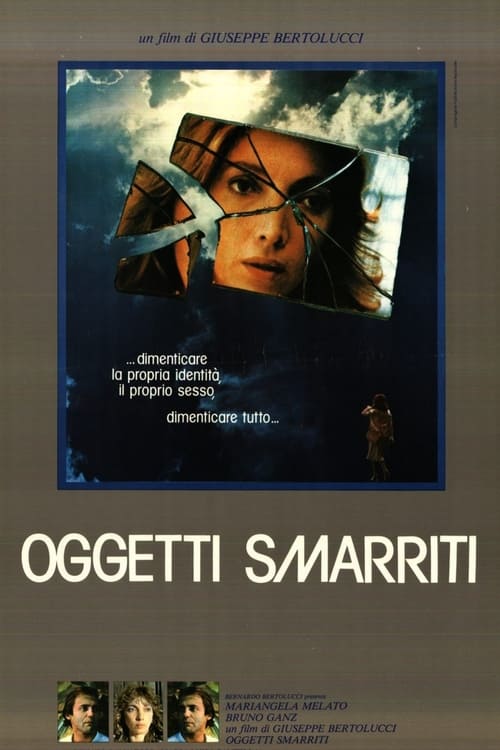
Oppressed by her husband, her lover, and her obsessive mother, a bourgeois woman is reunited with a childhood companion at the central train station in Milan. Throughout 24 hours there, she will experience her particular descent into hell.
1985

1957

1976

1964
1974
1946

1980
1962
No reviews yet. Be the first to share your thoughts on this movie!
Use the rating form above to leave a star rating and optional review.