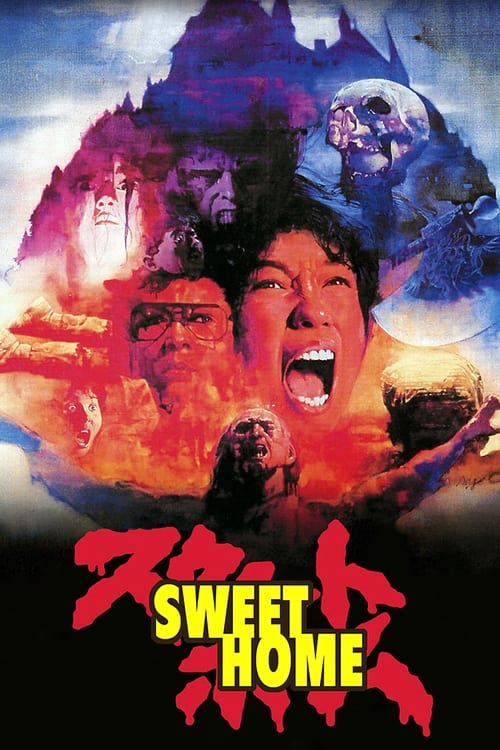
Sweet Home
1989
No user ratings available yet
Diversity score: 4.0 out of 10

1996
Not RatedDirector
Kiyoshi Kurosawa
Runtime
89 minutes
Average Rating
No ratings yetSynopsis
Ambitious insurance saleswoman Miyako is stalked by by the strange and supernatural after meeting the mysterious Mitsuru.
Overall Score
Fair
Category Breakdown
LGBTQ+ Representation
The film lacks explicit confirmation of queer identities or subtext. While horror often uses supernatural themes to explore social alienation, no specific queer character arcs are present.
Gender Representation
Miyako, an ambitious insurance saleswoman, serves as the central protagonist. Her role as a professional navigating supernatural threats disrupts traditional horror tropes of female passivity.
Racial & Ethnic Diversity
As a Japanese production, the film offers a non-Western perspective on the uncanny. It provides a culturally specific alternative to the Western-centric hegemony of the horror genre.
Religious & Cultural Diversity
The story engages with the fragility of modern urban life. It uses the protagonist's profession to critique the perceived stability of capitalist structures against the irrational.
Disability Representation
There is no evidence of characters with visible or invisible disabilities within the narrative.
Strengths
Areas for Improvement
AI Analysis
Kiyoshi Kurosawa’s work provides a sophisticated look at existential dread and the breakdown of social structures. By centering on a female professional, the film moves away from passive female archetypes common in the genre. The film's strength lies in its cultural positioning. As a Japanese production, it challenges Western-centric horror norms by presenting a localized view of the supernatural and the uncanny. However, the narrative lacks specific details regarding intersectional identities or disability representation. The focus remains primarily on the individual's struggle against a destabilizing environment.
1989
1986
1978
2016
2002
2005

2004
2001

1979

2006

2002
2004
No reviews yet. Be the first to share your thoughts on this movie!
Use the rating form above to leave a star rating and optional review.