Escape
1940
No user ratings available yet
Diversity score: 2.6 out of 10
1965
NRDirector
J. Lee Thompson
Runtime
105 minutes
Average Rating
No ratings yetSynopsis
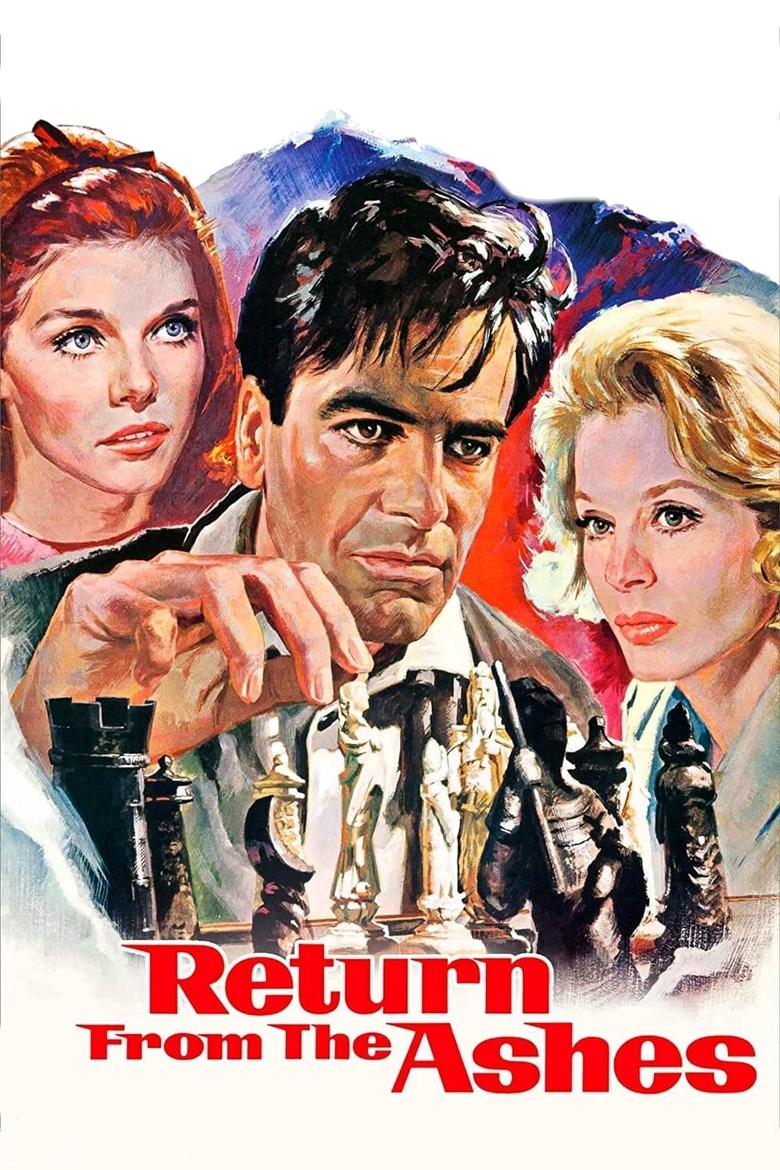
A Jewish woman, Dr. Michele Wolf, interred in a Nazi concentration camp during WWII returns to her Paris home after the war's end. She's unaware that her husband, the handsome gigolo and chess master Stanislaw Pilgrin, has been having an affair with her stepdaughter Fabi in her absence.
Overall Score
Limited
Category Breakdown
LGBTQ+ Representation
The film lacks LGBTQ+ characters or non-cisnormative identities. The plot focuses entirely on a conventional, though fractured, heterosexual romantic triangle.
Gender Representation
Dr. Michele Wolf provides meaningful representation through her psychological agency and professional status as a doctor. She navigates wartime trauma and domestic betrayal with significant depth.
Racial & Ethnic Diversity
The cast is predominantly white European, reflecting the post-war setting. While the protagonist's Jewish identity is central to her arc, the film lacks diverse ethnic ensembles.
Religious & Cultural Diversity
The story explores moral ambiguity and situational ethics within a traditional European social framework. It examines family through a lens of dysfunction rather than sacred tradition.
Disability Representation
There is no intentional focus on visible or invisible disabilities. The protagonist's psychological trauma serves as a standard dramatic element rather than agency-driven disability representation.
Strengths
Areas for Improvement
AI Analysis
Return from the Ashes is a period-specific drama that prioritizes character studies of survival and betrayal over social subversion. It succeeds in providing a nuanced female protagonist who possesses intellectual and professional authority, moving beyond the submissive archetypes common to the era. However, the film remains tethered to the casting and social norms of 1965. It lacks intersectional breadth, offering a narrow view of the human experience that focuses almost exclusively on a white European context. While the protagonist's Jewish identity is a vital narrative pillar, the film does not expand its scope to include broader racial or LGBTQ+ perspectives, resulting in a limited diversity profile.
1940
1944

1943
1954
1978

1981

1956

1983
1999
1964
1951

1946
No reviews yet. Be the first to share your thoughts on this movie!
Use the rating form above to leave a star rating and optional review.