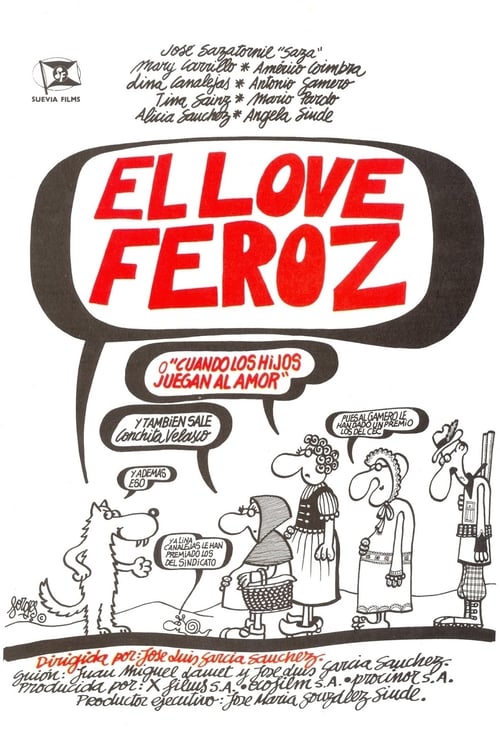
Fierce Love, or When Children Play at Love
1975
No user ratings available yet
Representation score: 5.3 out of 10
Representation Score
Good
1972
Director
Jaime Humberto Hermosillo
Runtime
94 minutes
Average Rating
No ratings yetNew Showbiz Analysis
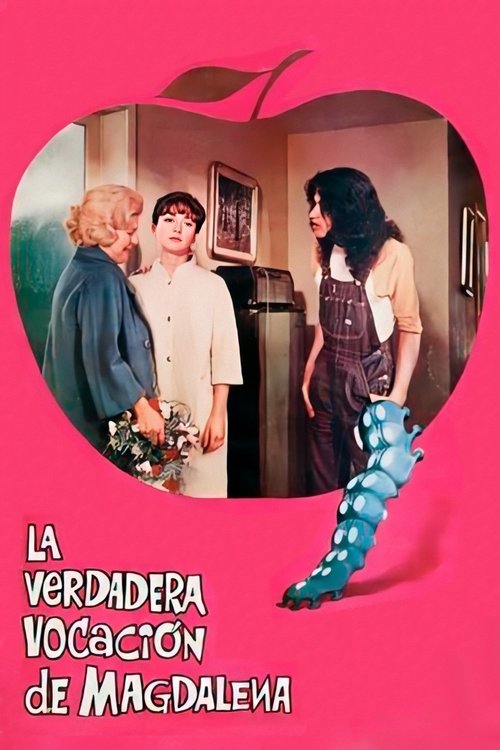
Jaime Humberto Hermosillo’s film acts as a progressive disruption of 1970s social mores. It successfully deconstructs patriarchal expectations by centering female desire and autonomy, moving away from the era's typical depictions of submissive women. The work excels in its cultural specificity, offering a nuanced look at Mexican middle-class dynamics and the friction between individual autonomy and institutionalized morality. It effectively uses the generational gap to critique the sanctity of traditional family units. However, the film's scope is limited regarding LGBTQ+ identities, focusing instead on heterosexual sexual exploration. It also lacks representation for characters with disabilities.
Category Breakdown
The film explores sexual freedom and breaking social norms. However, it focuses on heterosexual liberation rather than centering specific LGBTQ+ identities.
Magdalena disrupts the traditional passive female archetype of 1970s cinema. The narrative gives the protagonist a leading role as she navigates her own desires against restrictive social frameworks.
The film centers a predominantly Mexican cast and setting. It avoids a Western-centric perspective by prioritizing the lived experiences and social nuances of Mexican middle-class life.
The story critiques traditional religious institutions by framing marriage as a transactional tool. It highlights a generational shift toward secular liberation and the rejection of inherited customs.
There is no discernible focus on physical or neurodivergent disabilities within the narrative.
Present on Screen
Limited or Absent
Official Synopsis
Sex and middle class are the main topics in "La verdadera vocación de Magdalena". Hermosillo shows marriage as a matter of interests (economical and social) in the modern society. emphasizing the education, lose of tradition and customs in the gap generation of sixties youth and its parents. Angelica María, plays the best character in his career, being a kind and vulnerable girl raised in a hard moral education
1975
2015
1971

1963
1967
1963
1971
1967
No reviews yet. Be the first to share your thoughts on this movie!
Use the rating form above to leave a star rating and optional review.