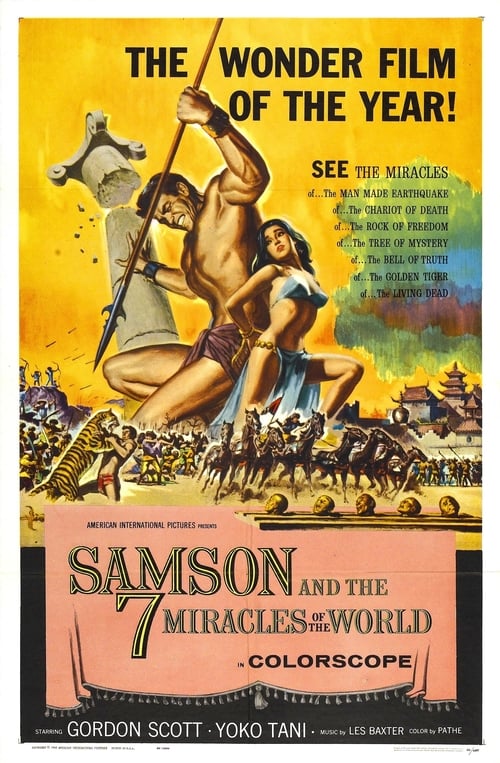
Samson and the 7 Miracles of the World
1961
No user ratings available yet
Representation score: 1.9 out of 10
Representation Score
Minimal
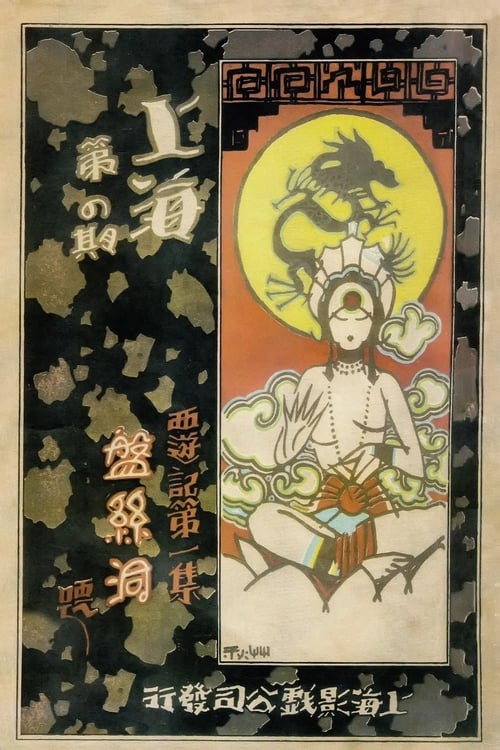
1927
Director
Dan Duyu
Runtime
59 minutes
Average Rating
No ratings yetNew Showbiz Analysis
The film is a foundational adaptation of *Journey to the West*, emphasizing the moral and spiritual lessons of the original text. Its narrative structure revolves around traditional mythological hierarchies and the triumph of religious discipline over worldly temptations. Representation in the film is shaped by the ancient framework of the source material. While it provides important cultural visibility for East Asian folklore, it does so through a lens of traditional morality rather than modern social subversion. Ultimately, the film serves as a tool for moral instruction. It reinforces established religious institutions and views sensual impulses as obstacles to be overcome by the male protagonists.
Category Breakdown
The story focuses on the tension between physical desire and spiritual self-denial. It does not include any depictions of non-straight or non-cisgender identities, nor does it challenge the assumption that everyone is straight or cisgender.
Female characters are portrayed as seven spider monsters who use their beauty to trap the protagonist. They serve mainly as obstacles to the male disciples' spiritual growth.
The film features a culturally homogeneous cast based on East Asian folklore. It offers an early expression of Chinese identity and mythology in cinema.
The plot follows traditional Buddhist moral teachings. It emphasizes the importance of controlling worldly desires to achieve spiritual goals through religious practices.
The story does not include characters with visible or invisible disabilities.
Present on Screen
Limited or Absent
Official Synopsis
One of the earliest cinematic adaptation of Chinese classic novel Journey to the West. When seeking for food alone, Tang Xuanzang was kept prisoner by seven spider monsters who took the form of seven beautiful women. The Monkey King and the other two of Xuanzang's disciples managed to rescue him with the help of Avalokitesvara Bodhisattva/Guanyin. They renounced the desire for lust and continued the quest for Buddhist Scriptures.
1961
1995
2007

1970
2016
1967
1905

1961
No reviews yet. Be the first to share your thoughts on this movie!
Use the rating form above to leave a star rating and optional review.