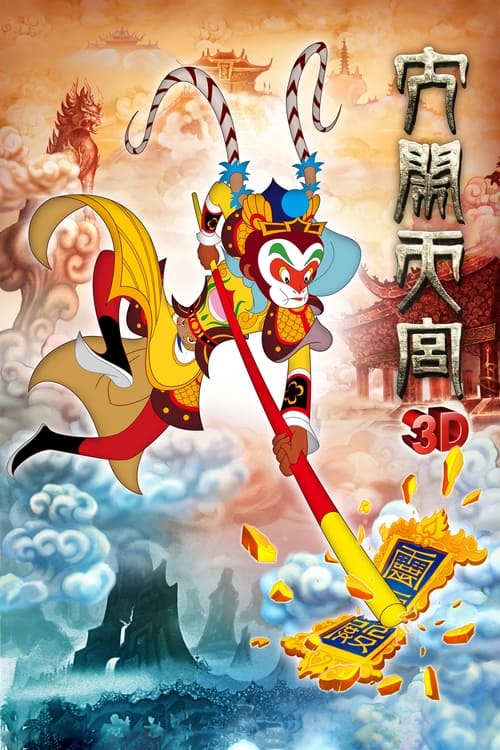
The Monkey King 3D: Uproar in Heaven
2012
No user ratings available yet
Representation score: 3.9 out of 10

Representation Score
Limited
1961
Not RatedDirector
Wan Laiming
Runtime
114 minutes
Average Rating
No ratings yetNew Showbiz Analysis
The Monkey King: Uproar in Heaven is a landmark of cultural specificity, using traditional Chinese aesthetics to challenge Western animation hegemony. Its strength lies in its deep roots in East Asian mythology and its subversive narrative of individual ability to act against rigid bureaucracy. However, the film is limited by a lack of characters who reflect more than one aspect of diversity, with a nearly all-male cast offering little space for female characters or diverse gender identities. Ultimately, the film's score reflects a tension between its high cultural authenticity and its narrow demographic focus, though its themes of disrupting power structures remain progressive.
Category Breakdown
The film centers on a male-centric hierarchy and does not include any queer subtext or non-cisgender identities within the celestial court or the monkey kingdom.
The narrative is driven by a hyper-masculine framework, emphasizing Sun Wukong's strength. Although not explicitly misogynistic, the film lacks women's ability to drive the story and features a landscape dominated by male deities.
This work strongly asserts East Asian cultural identity by focusing on Chinese folklore and ink-wash aesthetics, challenging the historical dominance of Western animation styles.
The story deconstructs rigid authority through Sun Wukong's defiance, presenting the celestial bureaucracy as a stagnant institution. The protagonist's chaos is shown as a necessary counterbalance to oppression.
There are no specific depictions of physical or neurodivergent disabilities within the main character arcs.
Present on Screen
Limited or Absent
Official Synopsis
Sun Wukong, the King of the Monkeys, sets off on his first adventure to gain a worthy weapon. This earns the attention of the Jade Emperor of Heaven.
2012

2015
1926

1979
1960

2014
2016
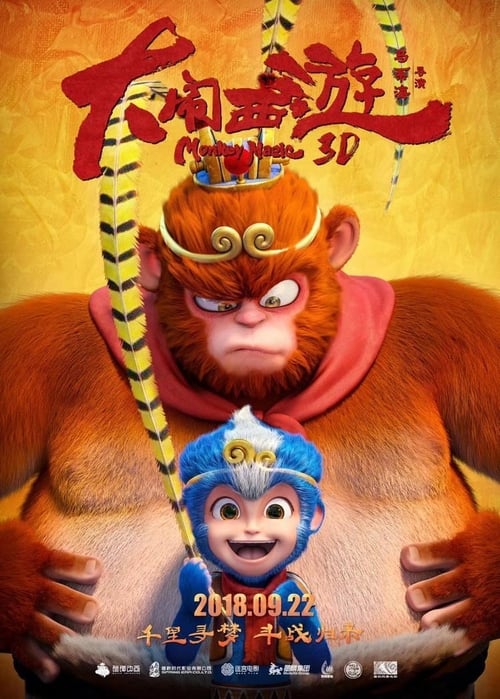
2018
No reviews yet. Be the first to share your thoughts on this movie!
Use the rating form above to leave a star rating and optional review.