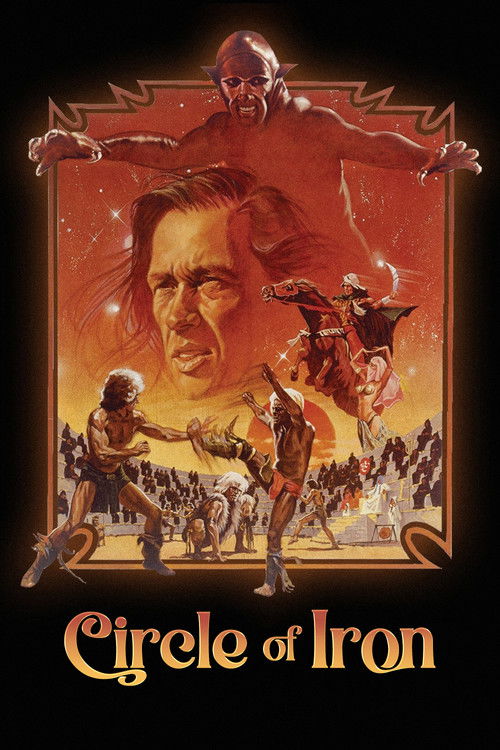
Circle of Iron
1978
No user ratings available yet
Representation score: 2.5 out of 10
Representation Score
Fair
1970
Not RatedDirector
King Hu
Runtime
180 minutes
Average Rating
No ratings yetNew Showbiz Analysis
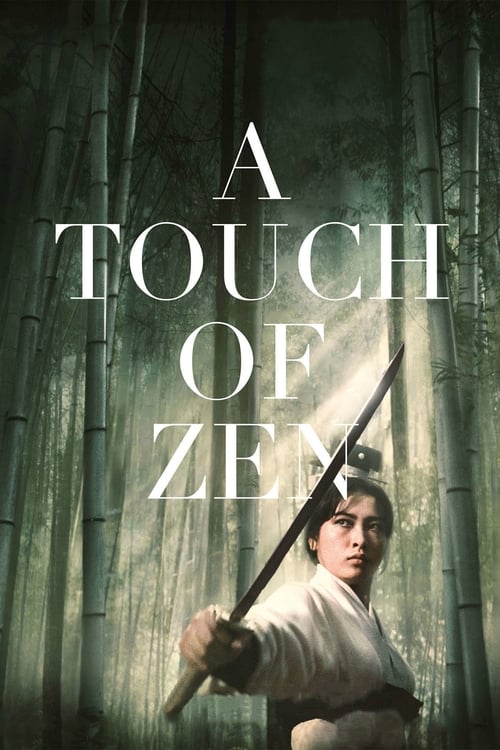
A Touch of Zen stands out for its sophisticated subversion of traditional power dynamics. By centering a female lead with significant influence, the film challenges gender hierarchies common in period dramas. The narrative also resists Western cinematic conventions by rooting its structure in indigenous philosophical traditions. While the film lacks LGBTQ+ or disability representation, it excels in cultural and gendered disruption. It frames the state as a corrupt entity, forcing the protagonist to navigate a landscape of moral decay through individual strength and spiritual truth. Ultimately, the film's strength lies in its commitment to a non-Western framework, using Zen philosophy to provide a moral compass that transcends rigid, corrupt institutional dogma.
Category Breakdown
The film focuses on a protagonist's survival and spiritual journey within a Ming Dynasty setting. There are no non-straight or non-cisgender identities or same-sex relationships present.
Yang Hui-zhen serves as a central female protagonist with significant influence. She challenges the 'damsel in distress' cliché through her martial skills and resilience against political corruption.
The cast is culturally uniform, reflecting the Ming Dynasty setting. It emphasizes indigenous Chinese traditions and rejects Western cinematic structures.
The narrative centers on Zen Buddhist philosophy and critiques institutional corruption. It portrays the monastery as a sanctuary against a predatory and morally bankrupt political order.
There are no prominent depictions of physical or neurodivergent disabilities that serve as central narrative drivers in this work.
Present on Screen
Limited or Absent
Official Synopsis
Yang Hui-zhen, a mysterious princess on the run from corrupt government officials, is joined in her endeavors by skilled Buddhist monks and an unambitious painter named Gu Sheng-zhai.
1978
1966
1981
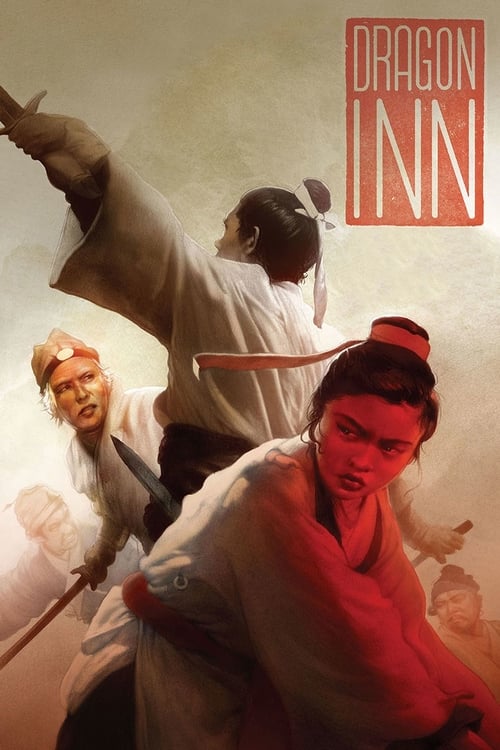
1967
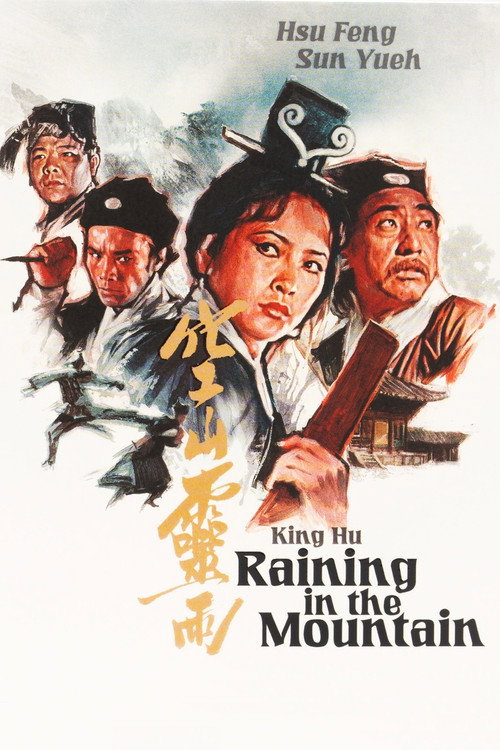
1979
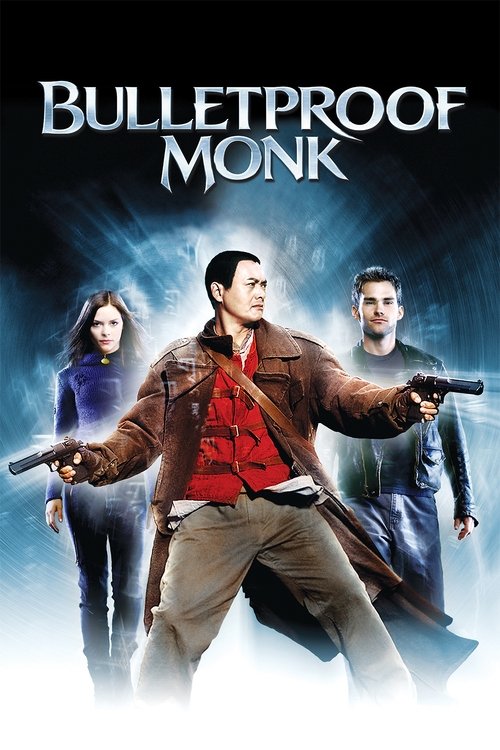
2003
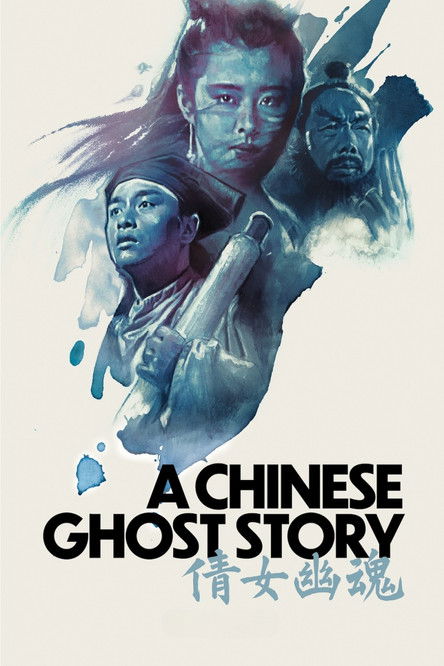
1987
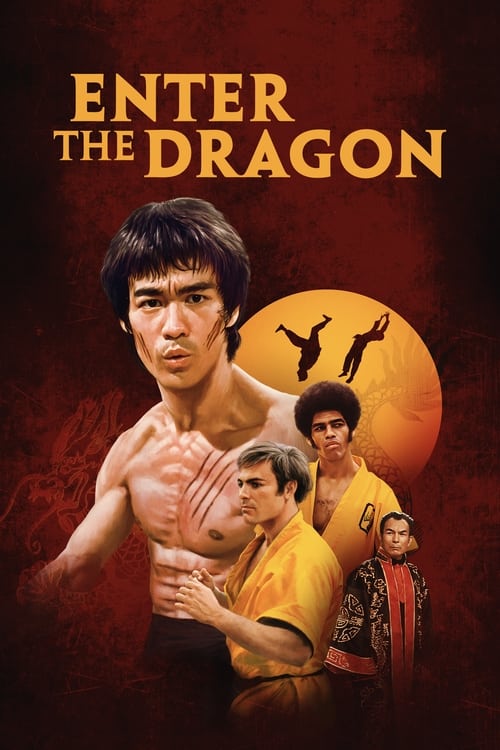
1973
No reviews yet. Be the first to share your thoughts on this movie!
Use the rating form above to leave a star rating and optional review.