The Trenches
2010
No user ratings available yet
Representation score: 3.5 out of 10
Representation Score
Limited
2015
Director
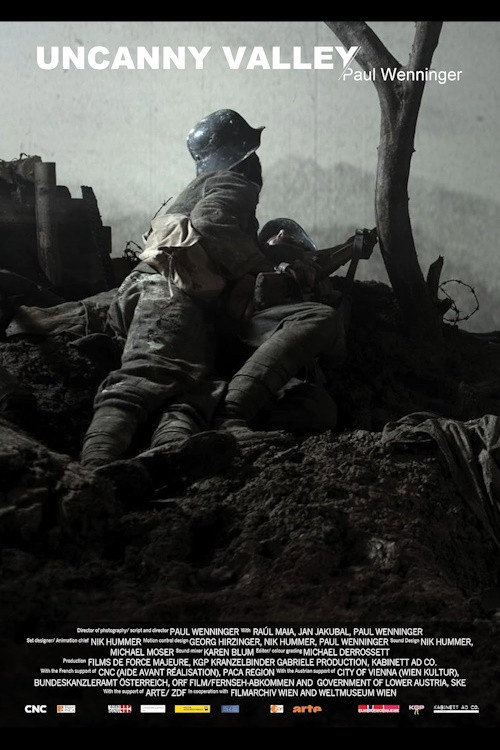
Paul Wenninger
Runtime
15 minutes
Average Rating
No ratings yetNew Showbiz Analysis
Uncanny Valley functions as a cinematic study of sensory overload and the human condition under duress. It disrupts traditional war clichés by prioritizing internal, involuntary terror over external military objectives. While the film lacks significant diversity in identity politics, it provides a nuanced critique of historical combat narratives. It achieves this by subverting the 'heroic soldier' archetype through a lens of extreme vulnerability. Ultimately, the work is a narrow but intense exploration of the physiological and psychological responses to violence, focusing more on the somatic experience of fear than on diverse social representation.
Category Breakdown
There are no LGBTQ+ characters or narratives addressing non-assuming gender matches what was assigned at birth identities in the film. The story focuses solely on the mechanics and emotions of combat.
The story revolves around two male soldiers, reflecting the historical context of trench warfare. Masculinity is portrayed through vulnerability and terror rather than traditional leadership or subverting gender hierarchies.
The racial identities of the soldiers are not explicitly defined. The film's focus is on the artificiality of the diorama figures, highlighting the uncanny rather than specific ethnic identities.
The narrative challenges sanitized military history by emphasizing the chaos and terror of war. However, it lacks explicit anti-institutional or secularist frameworks to enhance its cultural critique.
The film offers a deep look at acute psychological trauma. Soldiers' involuntary shuddering represents a visceral depiction of neurobiological responses to extreme stress and psychological fragility.
Present on Screen
Limited or Absent
Official Synopsis
Inside a museum, nowadays. A diorama represents two young soldiers in the trenches. All of a sudden, we are thrown into the diorama: the immobile soldiers come to life, there is terror on their faces – the camera dances around them – explosions, chaos, fog: everything flies about in the air. With every gunshot, they shudder and curl up
2010
2016
2013
1986
2016
2008
1942
2008
No reviews yet. Be the first to share your thoughts on this movie!
Use the rating form above to leave a star rating and optional review.