
Chuzpe - Klops braucht der Mensch!
2015
No user ratings available yet
Representation score: 8.4 out of 10
Representation Score
Good
2014
Director
Jean-Jacques Zilbermann
Runtime
104 minutes
Average Rating
No ratings yetNew Showbiz Analysis
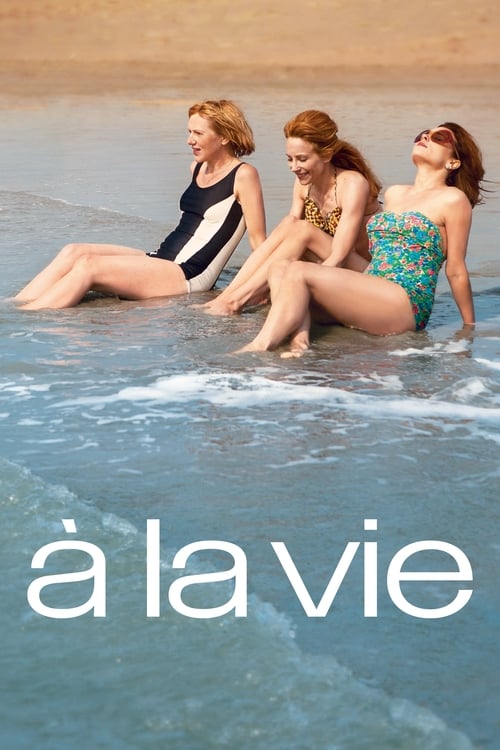
To Life centers on the reunion of three Holocaust survivors in 1960s France. The film’s strength lies in its focus on female-driven communal joy and the reclaiming of ability to act after systemic catastrophe. It shifts away from traditional, male-led recovery narratives to prioritize personal truth. However, the film lacks explicit representation of diverse identities. There is no clear evidence of LGBTQ+ dynamics or specific neurodivergent traits, leaving these areas as moderately defined. Ultimately, the film succeeds as a study of resilience, exploring emotional autonomy and the pursuit of simple, sensory pleasures.
Category Breakdown
The film highlights female friendship and survival. Though it doesn't explicitly confirm queer identities, the emphasis on female autonomy suggests a narrative focused on women's bonds.
The story centers on female empowerment and lived experiences. By focusing on the emotional intelligence of three women, it challenges traditional structures that sideline female survivors.
The narrative addresses the complexities of Jewish identity and historical displacement. It offers a framework for discussing ethnic resilience after systemic genocide.
The film celebrates individual and communal liberation through simple pleasures. It critiques the failures of traditional Western institutions to protect underrepresented communities.
The narrative focuses on the survivor experience, often involving invisible psychological scars. It explores the reclamation of ability to act after profound trauma.
Present on Screen
Limited or Absent
Official Synopsis
Helen, Rose and Lili have survived the Holocaust and have never seen each other since the war has ended. In 1960, they meet again in Berck, France. They learn to enjoy together simple pleasures in life: nice meals, ballads on the beach, playing in the waves.
2015
1998

2019
1970
1967
2005
1998
2015
No reviews yet. Be the first to share your thoughts on this movie!
Use the rating form above to leave a star rating and optional review.