
Il Posto
1961
No user ratings available yet
Representation score: 2.5 out of 10
Representation Score
Fair
1995
Director
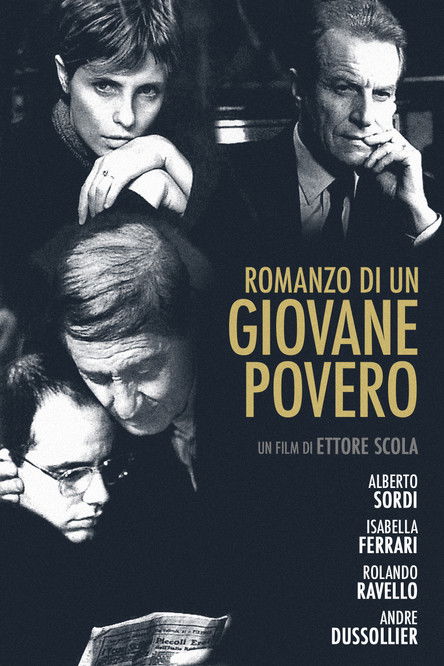
Ettore Scola
Runtime
111 minutes
Average Rating
No ratings yetNew Showbiz Analysis
Ettore Scola’s drama emphasizes class struggle and moral ambiguity over demographic variety. The film focuses on a bleak character study of social stagnation rather than identity-based representation. The narrative structure is primarily traditional, centered on a male-driven plot and a homogeneous social environment. While it avoids common clichés about 'ideal' femininity, it lacks depth in representing diverse identities. Ultimately, the film's strength lies in its critique of social institutions and the breakdown of the traditional family unit, though it offers little in the way of diverse identity representation.
Category Breakdown
The film does not include any LGBTQ+ characters or themes. The main conflict revolves around a traditional, troubled heterosexual marriage.
Mrs. Bartoloni challenges typical feminine stereotypes by being portrayed as a disheveled alcoholic. However, the story centers on a male-driven conspiracy, keeping women as passive recipients of male actions.
The story takes place in a localized, homogeneous Italian setting. There is no indication of a multi-ethnic cast or diverse racial backgrounds.
The film provides a strong socioeconomic critique. It deconstructs the 'ideal family' by showing domestic life as a source of entrapment and suffering.
Characters experience psychological distress and existential unhappiness. These issues are framed as socioeconomic conditions rather than specific disabilities.
Present on Screen
Limited or Absent
Official Synopsis
Two neighbours, young Vincenzo and old Mr Bartoloni, are utterly unhappy. On the one hand, Vincenzo must lead a miserable and frustrating life as he cannot find any regular job, despite his Arts degree. On the other, Mr Bartoloni is fed up with his despotic wife: the woman who used to be a beautiful artist is now a fat and shabby drunkard. The two men meet on a particularly sad night and, during an outburst, Mr. Bartoloni asks Vincenzo to help him to get rid of his wife by simulating an accident with the promise of a reward.
1961
1961
1955
1993

1991
1998

2009

1983
No reviews yet. Be the first to share your thoughts on this movie!
Use the rating form above to leave a star rating and optional review.