
Acapulco Gold
1973
No user ratings available yet
Representation score: 4.7 out of 10
Representation Score
Limited
2002
Director
Daniel Gräbner
Runtime
80 minutes
Average Rating
No ratings yetNew Showbiz Analysis
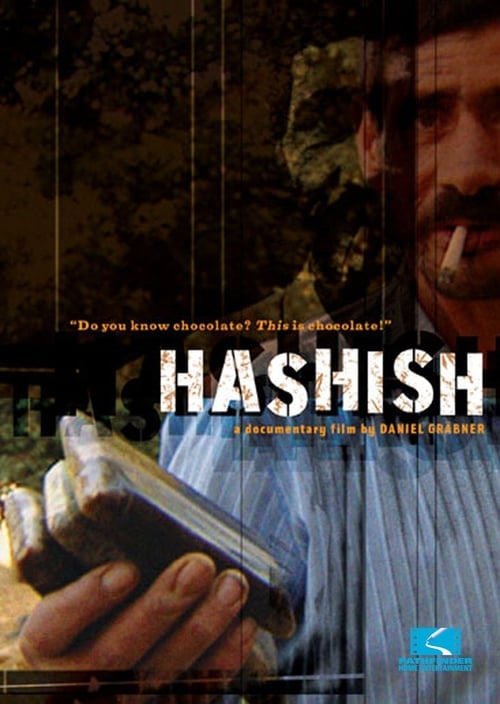
Hashish serves as a profound ethnographic study of the Ketama region in Northern Morocco. The film succeeds by centering a non-Western community, allowing them to present their own complex social, economic, and philosophical systems. While the documentary excels in racial and cultural visibility, it lacks specific information regarding gender dynamics or LGBTQ+ representation. The narrative architecture is built around the impact of a single commodity on a localized social structure. Ultimately, the film functions as a tool for cultural visibility. It challenges dominant Western institutional norms by presenting a functional, self-sustaining social order that operates outside of Anglo-Saxon frameworks.
Category Breakdown
The documentary does not provide evidence regarding the depiction of LGBTQ+ identities. The focus remains on the socio-economic structures of a specific Moroccan village.
The film offers a communal study of the Ketama people. However, it lacks specific evidence regarding gender-based power dynamics or the subversion of traditional hierarchies.
The work provides significant visibility to a North African community. It disrupts the Western-centric gaze by centering the Ketama people as architects of their own social reality.
The film explores cultural complexity by framing hashish as a basis for philosophy and dreams. This challenges Western-centric views on legality and morality through an alternative social order.
There is no documented evidence regarding the portrayal of physical or neurodivergent disabilities within this ethnographic study.
Present on Screen
Limited or Absent
Official Synopsis
A small village high up in the mountains of Ketama, Northern Morocco. The life of the people here has been shaped by the drug hashish for centuries. Hashish as daily work, hash as exchange currency, hashish as business, hashish as basis and philosophy of a social system, hashish as medium for dreams and hashish as reason for stagnation.
1973

2012

2002

2021

1972

2004
2007

2021
No reviews yet. Be the first to share your thoughts on this movie!
Use the rating form above to leave a star rating and optional review.