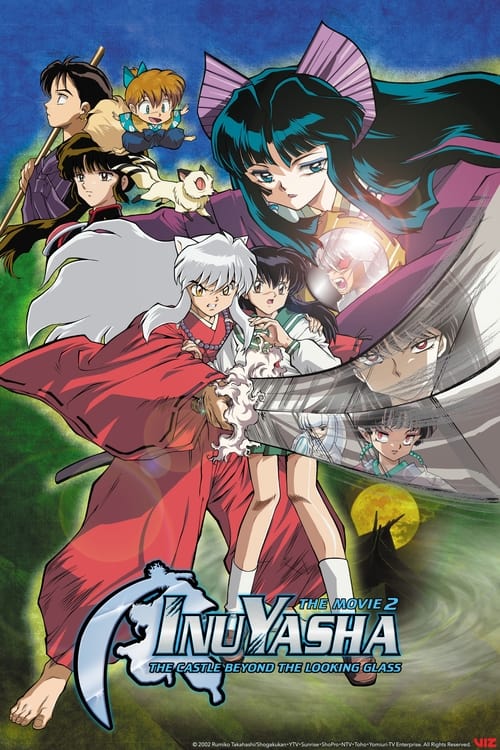
Inuyasha the Movie 2: The Castle Beyond the Looking Glass
2002
No user ratings available yet
Representation score: 3.1 out of 10
Representation Score
Fair
1999
Director
Kazuhiro Sasaki
Runtime
60 minutes
Average Rating
No ratings yetNew Showbiz Analysis
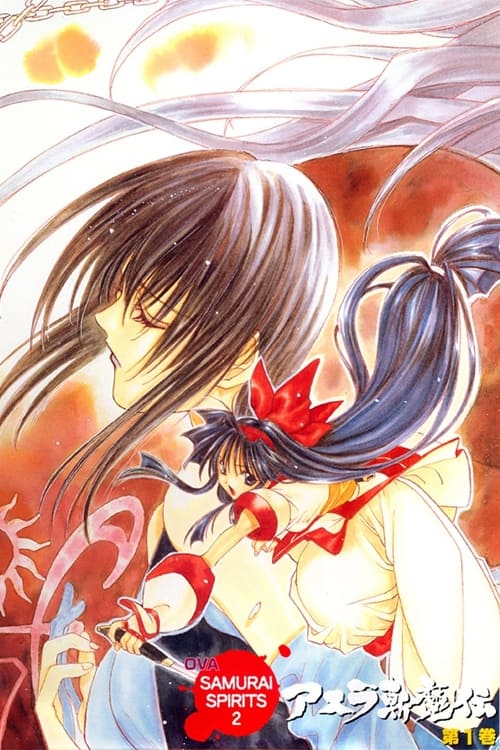
Samurai Shodown 2 balances traditional action clichés with a nuanced, character-driven philosophy. The film succeeds by subverting the standard warrior archetype through Nakoruru’s active role. She acts as an ideological force rather than a passive participant. However, the work lacks explicit modern multi-layered markers. There is little to no visible representation regarding LGBTQ+ identities or diverse ethnic backgrounds beyond the primary setting. Ultimately, the film provides moderate progressive depth by emphasizing humanistic ideals over rigid, combat-based social structures.
Category Breakdown
The film does not explicitly depict non-straight relationships or gender identities. The character interactions follow typical action-adventure storylines common in the late 1990s.
Nakoruru serves as the moral and intellectual center, challenging traditional gender roles. Her pacifist stance drives the plot, prioritizing female-driven reasoning over male-driven aggression.
The cast is predominantly homogeneous, reflecting a stylized historical Japanese setting. The film maintains a traditional cultural aesthetic without significant multi-layered casting.
The story challenges the standard warrior ethos by centering a protagonist with humanistic ideals. This creates a tension between pacifism and traditional martial values.
There is no discernible evidence regarding the portrayal of visible or invisible disabilities within the narrative.
Present on Screen
Limited or Absent
Official Synopsis
The story mainly revolves on Nakoruru and her humanistic ideals: she believes that anyone with a heart has the right to live peacefully. Shiki, though apparently free from Yuga's influence, is recognized as a threat for the sorceress' return and it was through Nakoruru's reasoning that previously saved her life from Haohmaru. Nakoruru finds her and then struggles to peacefully defend her from her pursuers, which include Haohmaru, Galford, and Asura.
2002
2001
1994
1988
2018

2002
1993
2003
No reviews yet. Be the first to share your thoughts on this movie!
Use the rating form above to leave a star rating and optional review.