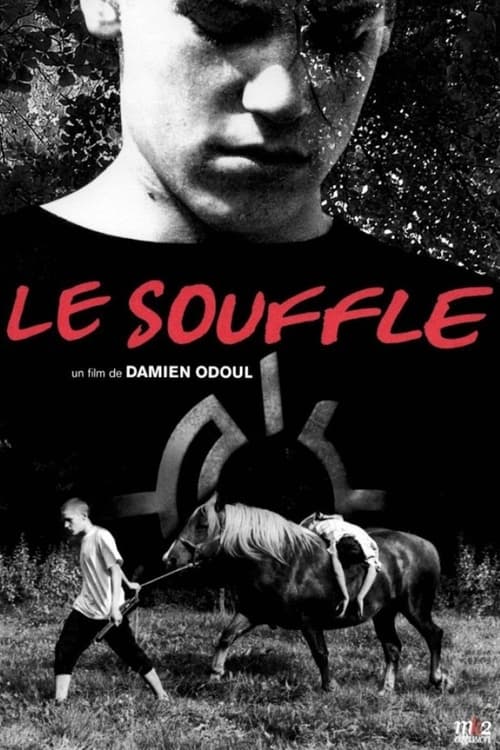
Deep Breath
2001
No user ratings available yet
Diversity score: 3.8 out of 10

2003
Director
Damien Odoul
Runtime
91 minutes
Average Rating
No ratings yetSynopsis
A dramatic love story, set in 1968 in the Gévaudan region. Jacques, in his thirties, is driving at high speed on a steep road. He is drunk. At the same time, in a hospital, Lou, his wife, gives birth to their child, but the delivery goes badly. When the child appears, Lou is still sleeping. Jacques tries to forget their existence in the arms of a girl.
Overall Score
Limited
Category Breakdown
LGBTQ+ Representation
The narrative focuses on a heterosexual romantic entanglement and the complexities of a marriage. There is no evidence of non-cisnormative identities or critiques of heteronormativity.
Gender Representation
The film challenges traditional hierarchies by portraying the male lead as incompetent and irresponsible. The female experience centers on the trauma of childbirth, deconstructing the competent husband archetype.
Racial & Ethnic Diversity
Set in rural France in 1968, the film likely reflects the demographic homogeneity of that era. The narrative appears to adhere to the historical and regional status quo.
Religious & Cultural Diversity
The film avoids promoting idealized Western family values. Instead, it opts for a cynical, subjective view of domestic stability and the deconstruction of traditional institutions.
Disability Representation
While medical complications during childbirth suggest physical vulnerability, there is no evidence that disability is explored as a central theme or a source of character agency.
Strengths
Areas for Improvement
AI Analysis
Errance functions as a psychological character study that prioritizes the deconstruction of social roles over demographic breadth. It finds its progressive edge in refusing to sentimentalize the nuclear family, instead presenting a raw portrait of masculine failure and instability. However, the film lacks intersectional depth. The narrative remains tethered to the demographic homogeneity of 1968 rural France, offering little in the way of racial or LGBTQ+ representation. Ultimately, the film's value lies in its moral ambiguity and its subversion of traditional patriarchal archetypes, even as it remains limited in its cultural scope.
2001
1971
1953
2008

2013
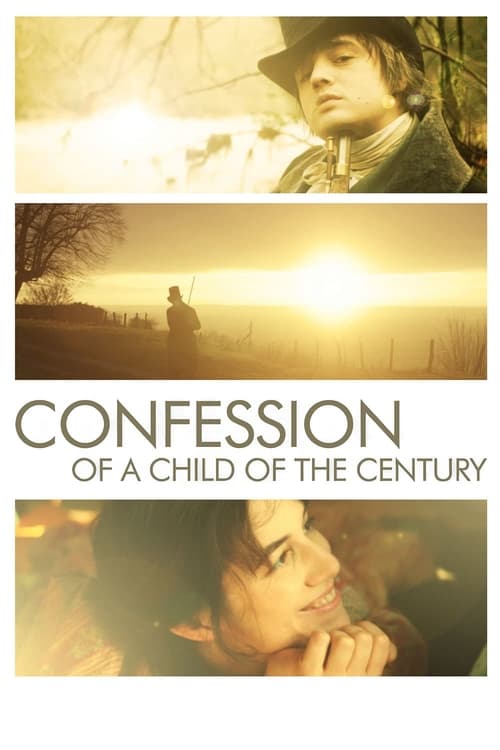
2012
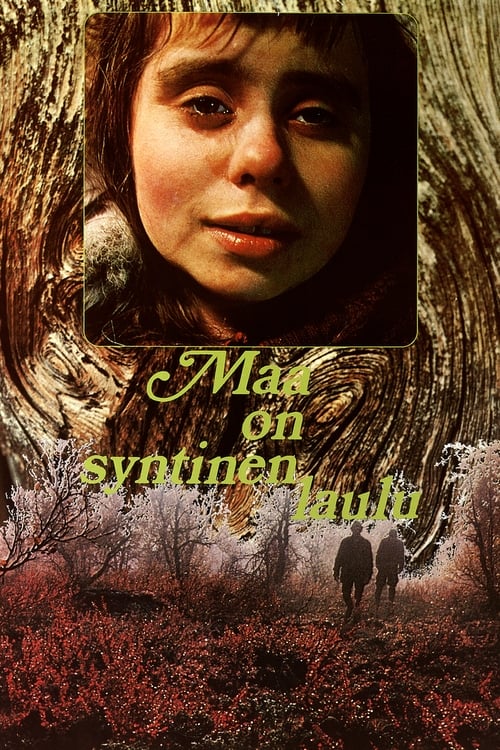
1973
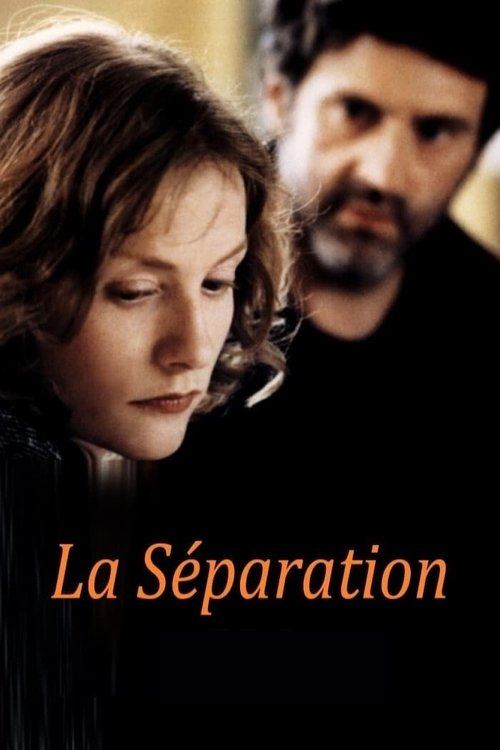
1994
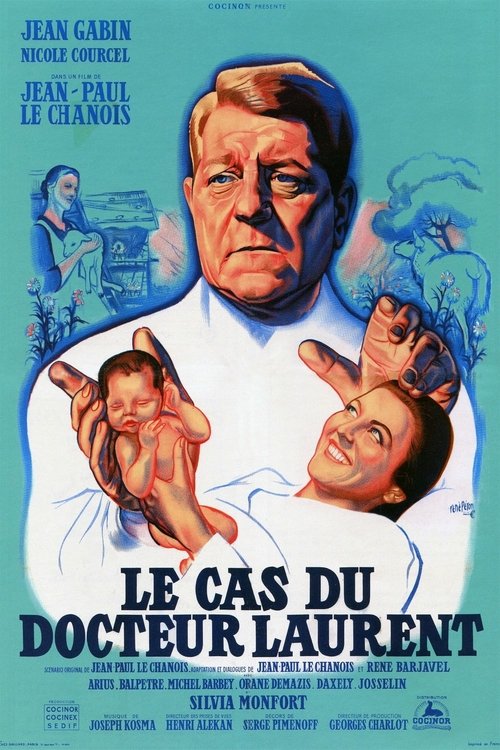
1957
1956
1985
2011
No reviews yet. Be the first to share your thoughts on this movie!
Use the rating form above to leave a star rating and optional review.