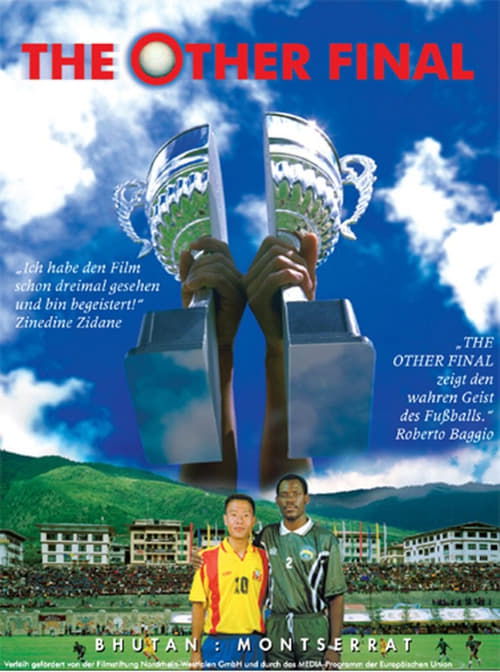
The Other Final
2003
No user ratings available yet
Diversity score: 6.5 out of 10

2006
GDirector
Michael Apted
Runtime
92 minutes
Average Rating
No ratings yetSynopsis
The 2006 FIFA World Cup was the 18th FIFA World Cup, the quadrennial international football world championship tournament. It was held from 9 June to 9 July 2006 in Germany, which won the right to host the event in July 2000. Teams representing 198 national football associations from all six populated continents participated in the qualification process which began in September 2003. Thirty-one teams qualified from this process, along with the host nation, Germany, for the finals tournament. Italy won the tournament, claiming their fourth World Cup title. They defeated France 5–3 in a penalty shootout in the final, after extra time had finished in a 1–1 draw. Germany defeated Portugal 3–1 to finish third.
Overall Score
Fair
Category Breakdown
LGBTQ+ Representation
The documentary centers on professional sports competition rather than social narratives. It lacks explicit LGBTQ+ character arcs or themes that critique heteronormativity, resulting in a neutral presentation typical of sports broadcasting.
Gender Representation
The film reflects the historical reality of the 2006 men's tournament. The narrative focus remains almost exclusively on male athletes and professional hierarchies, reinforcing traditional gendered spheres of athletic competition.
Racial & Ethnic Diversity
The film features high racial and ethnic diversity due to the international nature of the World Cup. It captures a global spectrum of identities from all six inhabited continents.
Religious & Cultural Diversity
The documentary showcases various national identities and cultural traditions through sport. It avoids a Western-centric morality but celebrates the globalized, organized structure of international institutions like FIFA.
Disability Representation
The narrative focuses strictly on elite, able-bodied professional athletes. There is no evidence of neurodivergent individuals or those with physical disabilities within the primary competitive arc.
Strengths
Areas for Improvement
AI Analysis
The film's diversity is largely organic rather than intentional. Because it documents a massive, multi-continental sporting event, it naturally captures a wide array of racial and ethnic identities from across the globe. However, the documentary lacks depth in social representation. It adheres to the traditional structures of professional men's football, which limits its engagement with gender, disability, and LGBTQ+ narratives. Ultimately, the work functions as a chronological record of a global phenomenon. It provides significant naturalistic breadth through international participation while remaining within the conventional bounds of mainstream sports media.
2003
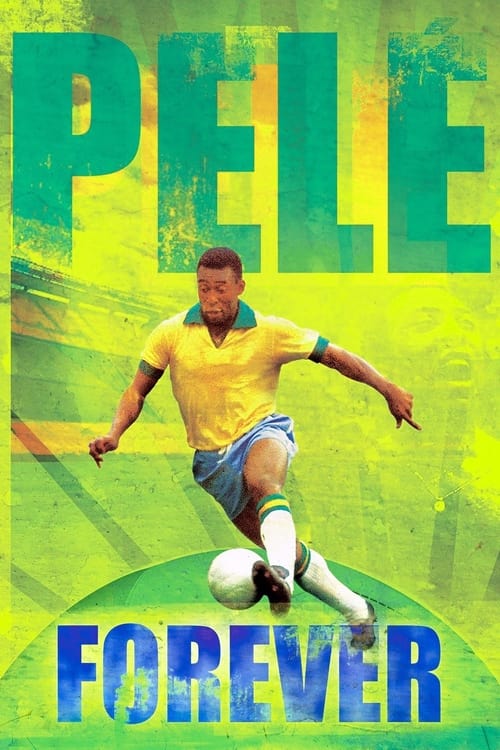
2004
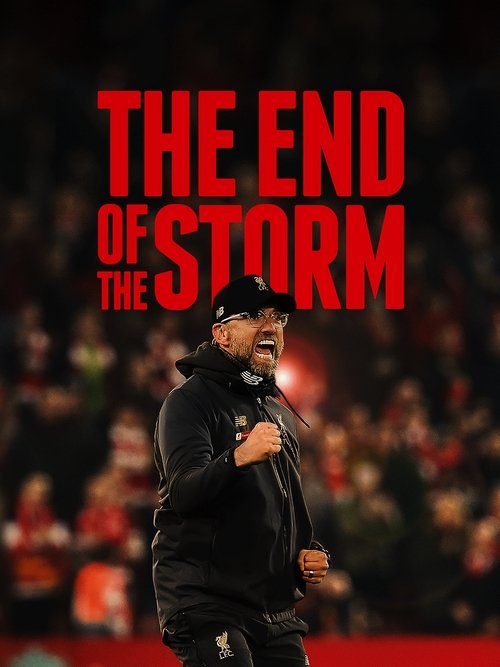
2020
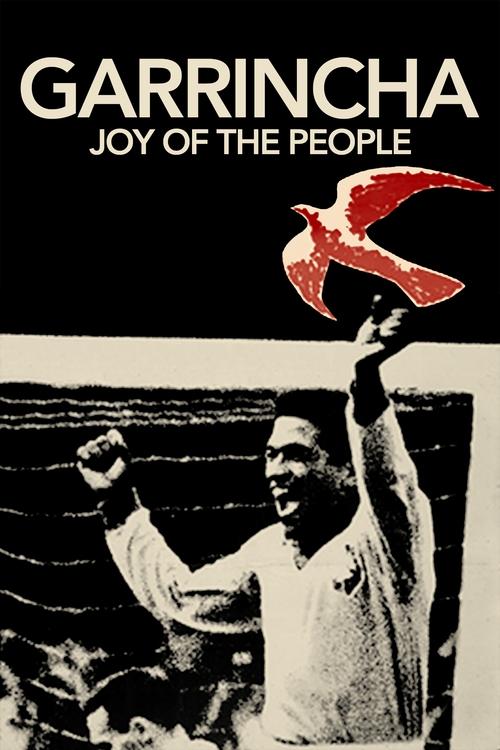
1962

2018
2005
2014

2021
2022
2004
2010
2016
No reviews yet. Be the first to share your thoughts on this movie!
Use the rating form above to leave a star rating and optional review.