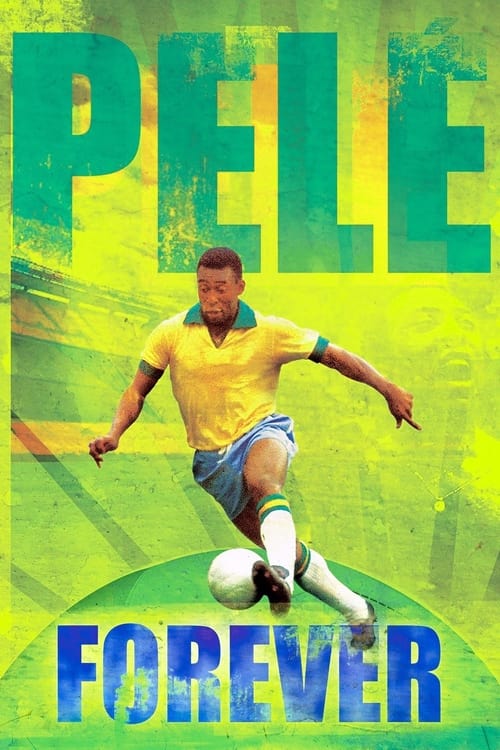
Pelé Forever
2004
No user ratings available yet
Representation score: 6.5 out of 10
Representation Score
Good
1962
Director
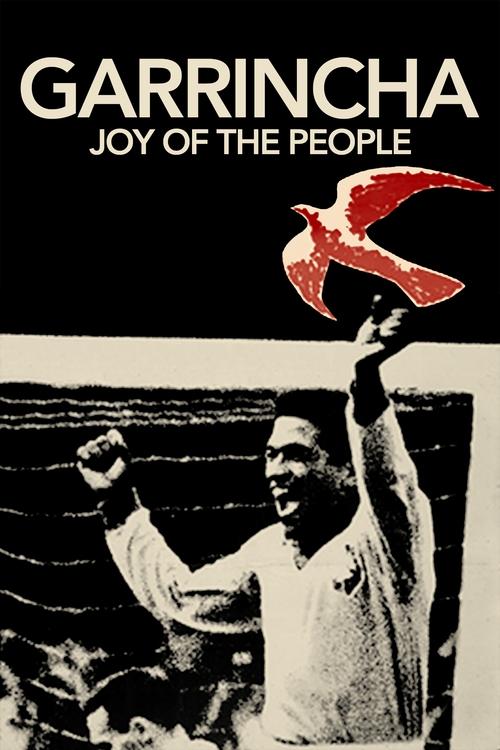
Joaquim Pedro de Andrade
Runtime
60 minutes
Average Rating
No ratings yetNew Showbiz Analysis
This documentary transcends simple sports biography by using the social realism of the Cinema Novo movement. It avoids a standard celebratory hagiography, instead focusing on the systemic abandonment of a national icon. While the film adheres to mid-century gendered clichés and traditional gender roles, it offers a nuanced look at the intersection of physical difference and elite performance. Ultimately, the work critiques meritocracy, documenting the tragic descent from athletic glory to financial ruin.
Category Breakdown
The film does not include any queer narratives or characters with non-traditional gender identities. The story focuses on heterosexual relationships centered around the protagonist.
The narrative centers on a hyper-masculine athlete archetype. Women appear as secondary motivators for the male protagonist rather than as independent characters, reinforcing traditional gender roles.
The documentary highlights a figure of color achieving global success. It engages deeply with Brazilian identity and the racialized landscape of soccer, challenging Eurocentric sports media norms.
The film uses social realism to critique how society consumes and discards its heroes. It goes beyond simple biography to offer a complex critique of national myth-making.
Garrincha’s curved legs are central to his identity and success. The film treats this physical irregularity as a source of unique talent rather than a deficit.
Present on Screen
Limited or Absent
Official Synopsis
Documentary about the most famous dribbler in Brazilian Soccer (some say in Soccer's history!) at the zenith of his career, showing classic scenes of 1958 and 1962 World Cup. Garrincha was a very original and talented player, having curved legs. Women and alcohol were his passion, and the cause of his later decadence. After a glorious career, he died in financial misery, forgotten.
2004
2014
1962

2021
2021

2022

2002
2013
No reviews yet. Be the first to share your thoughts on this movie!
Use the rating form above to leave a star rating and optional review.