You are here:

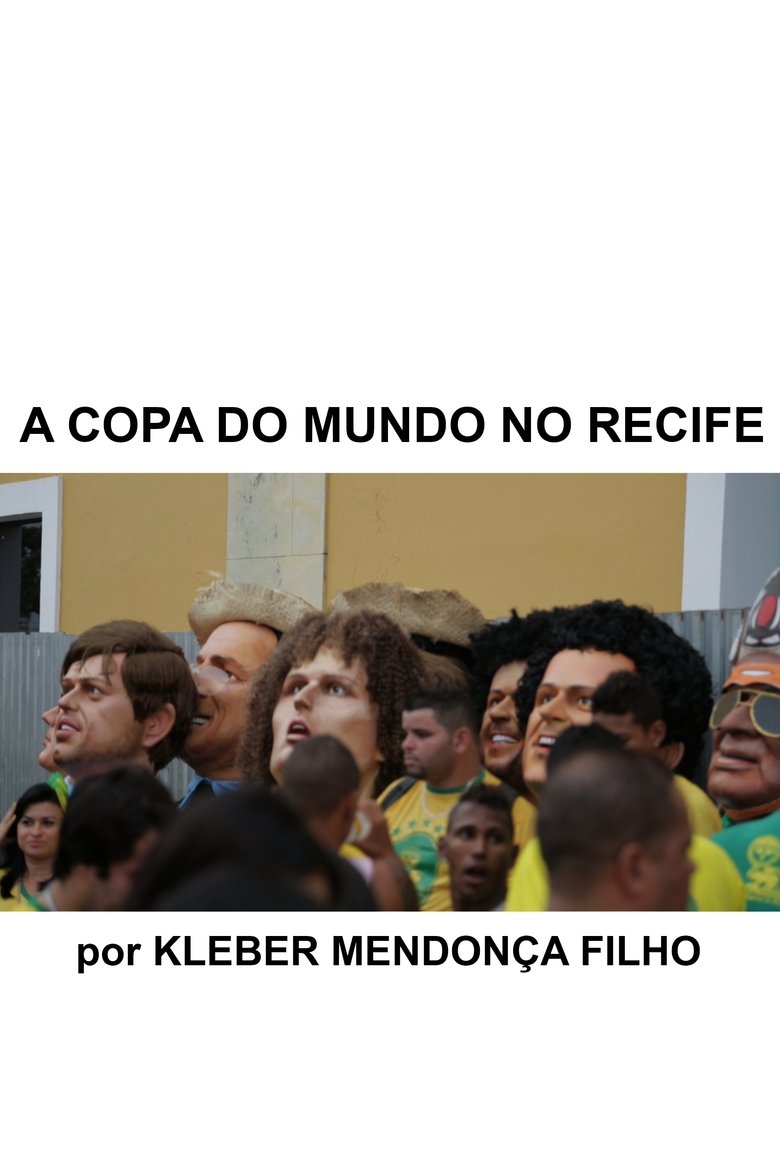
The World Cup in Recife

The World Cup in Recife

Representation Score

7.5/10

Good

2014

Director

Kleber Mendonça Filho

Runtime

15 minutes

Average Rating

No ratings yet

New Showbiz Analysis

Kleber Mendonça Filho uses this documentary to examine how global sporting events affect local urban spaces. The film excels at critiquing the dominance of global capital and the displacement caused by state-driven modernization. While it lacks specific representation for individual identities like LGBTQ+ or disability, it achieves progressive value through its sociological lens. It centers the perspectives of underrepresented urban populations against the backdrop of neoliberalism. Ultimately, the work serves as a powerful commentary on the contradictions of Brazilian progress, prioritizing the lived realities of the local populace over sanitized narratives of international bodies.

Watch this, not that →

Category Breakdown

Does The World Cup in Recife have LGBTQ+ representation?

Limited

The film focuses on broader societal changes and urban transformations rather than individual LGBTQ+ narratives. It avoids exclusionary stereotypes or mocking portrayals of LGBTQ+ individuals.

How does The World Cup in Recife portray gender?

Fair

The narrative emphasizes class and spatial dynamics over traditional gender hierarchies. Though it lacks character-driven arcs that challenge conventional gender roles, it avoids reinforcing patriarchal structures by focusing on collective experiences.

How racially and ethnically diverse is The World Cup in Recife?

Good

The documentary explores the intersection between race, class, and geography. It centers the perspectives of diverse, non-elite populations and challenges sanitized, whitewashed versions of progress.

How does The World Cup in Recife represent religion and culture?

Excellent

The film critiques neoliberal capitalism and Western-centric globalism, prioritizing local community voices over state-sanctioned spectacles. It highlights how global economic models disrupt local social cohesion.

Does The World Cup in Recife include disability representation?

Fair

There is no significant or intentional focus on visible or invisible disabilities. The film's scope remains centered on socioeconomic and urban displacement issues.

Present on Screen

  • Provides a profound exploration of the intersection between race, class, and geography in Brazil.
  • Offers a rigorous critique of neoliberal capitalism and the imposition of Western-centric globalism.
  • Centers the perspectives and ability to act of underrepresented urban populations against state-driven modernization.

Limited or Absent

  • Lacks intentional focus or representation regarding visible and invisible disabilities.
  • Does not explicitly center LGBTQ+ narratives or non-assuming gender matches what was assigned at birth gender identities.
  • Provides limited engagement with gender-specific subversion or character-driven gender arcs.

Official Synopsis

Recife, undergoing so many changes, was the scene of a party of joy and tension, sports and politics. A happy experience, but full of the contradictions that make Brazil be Brazil and here wins the face and the space of Recife.

How are these scores produced? →

Where to Watch

Rate this Movie

No rating selected
Use arrow keys to select a rating from 1 to 5 stars
Optional text review, maximum 2000 characters
Tip: Wrap spoilers with ||double pipes|| to hide them
0/2000 characters
You must be signed in to submit a rating

Reviews

No reviews yet. Be the first to share your thoughts on this movie!

Use the rating form above to leave a star rating and optional review.