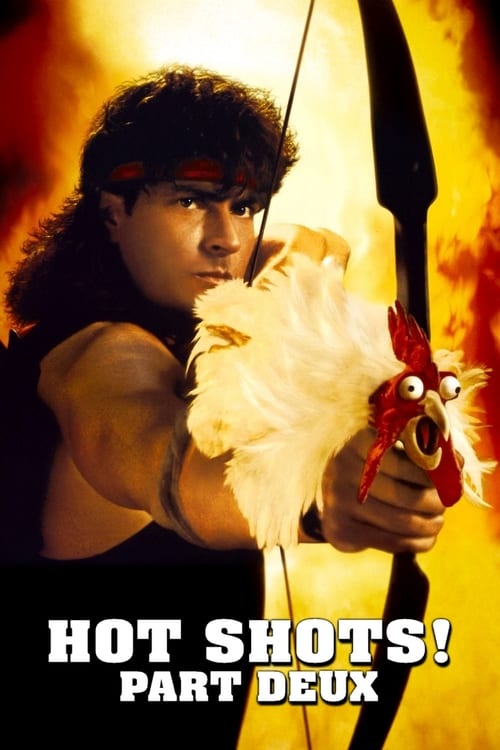
Hot Shots! Part Deux
1993
No user ratings available yet
Representation score: 2.6 out of 10

Representation Score
Limited
1991
PG-13Director
Jim Abrahams
Runtime
85 minutes
Average Rating
No ratings yetNew Showbiz Analysis
Hot Shots! primarily serves as a genre-parody, targeting cinematic clichés rather than social issues. It effectively dismantles the 'invincible hero' archetype through slapstick incompetence, but it remains tied to traditional identity frameworks. The film's approach to representation adheres to conventional standards for its time. While it satirizes the machismo of action cinema, it does not extend this critique to gender, race, or sexual orientation, maintaining the status quo. Overall, the film prioritizes the mechanics of satire over social commentary. It focuses on critiquing filmic style rather than addressing systemic social structures.
Category Breakdown
The film does not include any LGBTQ+ characters or explore non-straight relationships. It focuses on the traditional romantic relationship between Topper Harley and Ramada Thompson.
Gender roles are portrayed through comedic archetypes that mock the hyper-masculine pilot stereotype. Female characters are secondary figures without significant influence on the plot.
The cast follows typical early 1990s studio comedy standards. While it avoids harmful stereotypes, the lack of diverse backgrounds prevents a deeper exploration of identity.
The film pokes fun at the 'action hero' mythos by showing military institutions as absurd and ineffective. This is used as a comedic tool rather than a serious critique of Western institutions.
The film does not feature meaningful portrayals of disabilities. Physical vulnerability and dysfunction are used for slapstick humor.
Present on Screen
Limited or Absent
Official Synopsis
The gang that created Airplane! and The Naked Gun sets its sights on Top Gun in this spoof. Topper Harley is a talented but unstable fighter pilot with an axe to grind: clearing the family name. His mission is to avenge his father and save a mission sabotaged by greedy weapons manufacturers. He also gets involved in a relationship with Ramada Thompson, a woman with an unusually talented stomach. Hot Shots! makes fun of a variety of other films, from Dances with Wolves to The Fabulous Baker Boys.
1993
1959

1981
1975
2002
1980
2002
1970
No reviews yet. Be the first to share your thoughts on this movie!
Use the rating form above to leave a star rating and optional review.