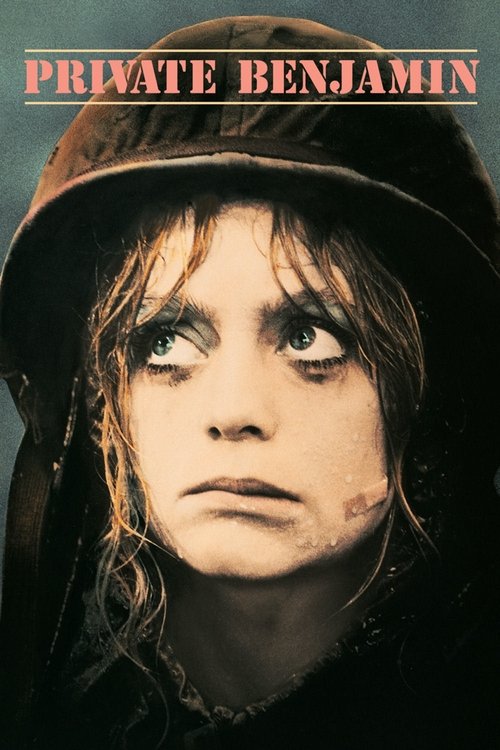
Private Benjamin
1980
No user ratings available yet
Representation score: 2.2 out of 10

Representation Score
Limited
1981
RDirector
Ivan Reitman
Runtime
106 minutes
Average Rating
No ratings yetNew Showbiz Analysis
Stripes is a quintessential product of its era, focusing on a homogeneous group of male misfits navigating military life. The film prioritizes comedic timing and the subversion of institutional authority over social or multi-layered representation. While the narrative successfully challenges the competence of rigid hierarchies, it does so through slapstick humor rather than systemic critique. The cast lacks racial and ethnic breadth, and the gender dynamics remain heavily skewed toward male camaraderie. Ultimately, the film functions as a character-driven comedy about outsiders, but it does so within a very narrow demographic and social lens.
Category Breakdown
The film operates within a strictly straight-centered framework. There is no discernible presence of LGBTQ+ characters or explorations of non-cisgender identities.
The narrative is heavily male-centric, prioritizing a buddy comedy dynamic. Female characters occupy secondary, peripheral roles that serve as catalysts for male arcs rather than possessing independent influence.
The ensemble cast is predominantly homogeneous, reflecting a traditional mid-century American demographic. The film lacks significant racial or ethnic breadth within its central cast.
The film satirically deconstructs institutional rigidity by framing military bureaucracy as a source of comedic friction. It leans into the lovable underdog cliché within a traditional American framework.
Characters with physical or social impairments are integrated into the misfit platoon. While they occasionally lean toward the lovable loser archetype, they maintain a degree of control over their situations.
Present on Screen
Limited or Absent
Official Synopsis
Hard-luck cabbie John Winger, directionless after being fired from his job and dumped by his girlfriend, enlists in the U.S. Army with his close pal, Russell Ziskey. After his barely satisfactory performance in basic training, the irreverent Winger emerges as the figurehead for a ragtag band of misfits. However, his hijinks threaten to cause an international scandal when he inadvertently commandeers a military assault vehicle behind enemy lines.
1980
1980
1994
1988

1984
1985

1991
1994
No reviews yet. Be the first to share your thoughts on this movie!
Use the rating form above to leave a star rating and optional review.