The Blood of Yingzhou District
2006
No user ratings available yet
Representation score: 8.5 out of 10
Representation Score
Excellent
2013
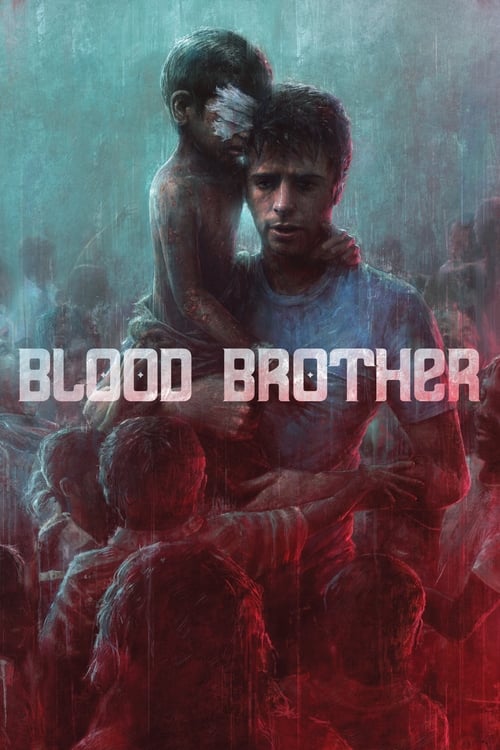
PGDirector
Steve Hoover
Runtime
92 minutes
Average Rating
No ratings yetNew Showbiz Analysis
Blood Brother succeeds as a narrative that shifts the focus from a tourist's perspective to the everyday lives of Indian children. By doing so, the film challenges Western dominance and promotes a more layered understanding of global health issues. The documentary moves away from individual success stories and instead emphasizes a model of communal interdependence. This approach effectively breaks down the traditional 'hero's journey' narrative in favor of a nuanced look at systemic vulnerabilities. While the film excels in representing diverse racial and disability backgrounds, it remains somewhat limited by its focus on the male protagonist's emotional growth and lacks explicit LGBTQ+ themes.
Category Breakdown
The film emphasizes friendships and community bonds over romantic relationships. It challenges the idea of travelers seeking adventure by focusing on emotional connections instead.
Young girls in the community have opportunities to express themselves freely. However, the story mainly follows the emotional journey of the male protagonist.
The film shines by highlighting the lives of non-Western individuals and local Indian communities. It avoids the typical portrayal of poverty and instead focuses on the daily lives of these communities.
The narrative criticizes Western consumerism and detachment. It highlights the struggles of children within a healthcare system to emphasize global inequalities and privilege.
The documentary offers a deep look at chronic illness through the experiences of children living with HIV/AIDS. It portrays these children as resilient and active participants rather than just tragic figures.
Present on Screen
Limited or Absent
Official Synopsis
Rocky Braat went to India as a disillusioned American tourist. When he met a group of children with HIV/AIDS, he decided to stay. He never could have imagined the obstacles he would face. Or the love he would find.
2006
2004
2008
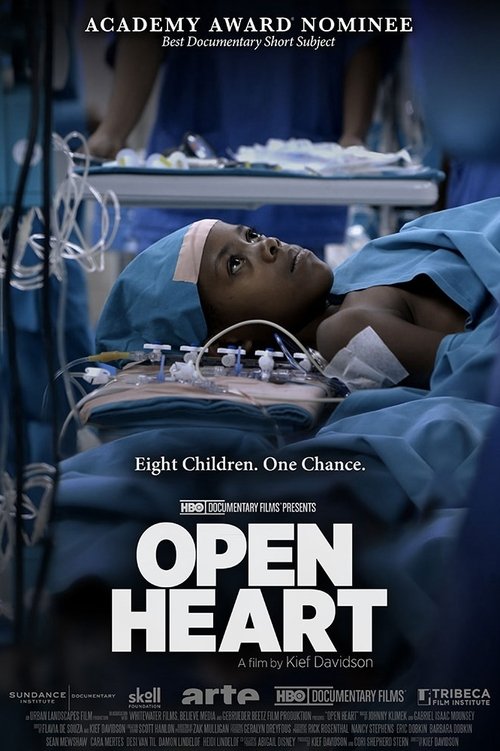
2013
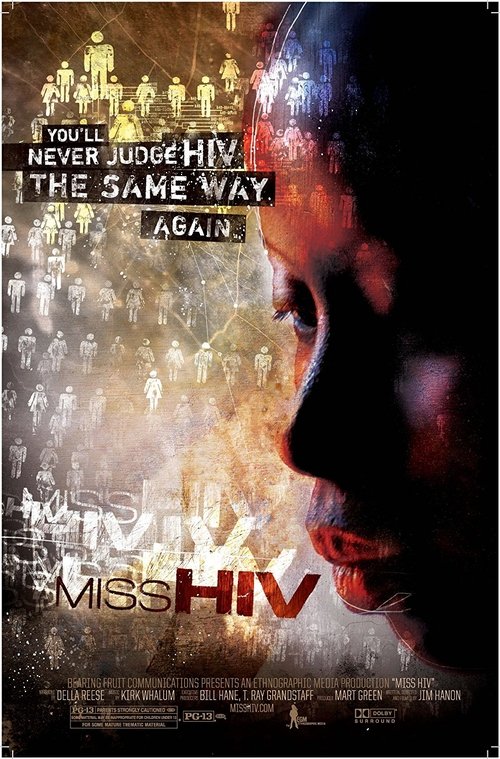
2007
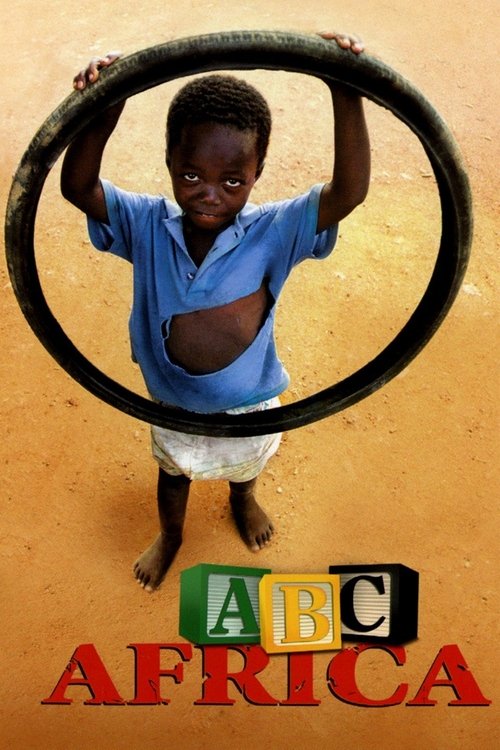
2001
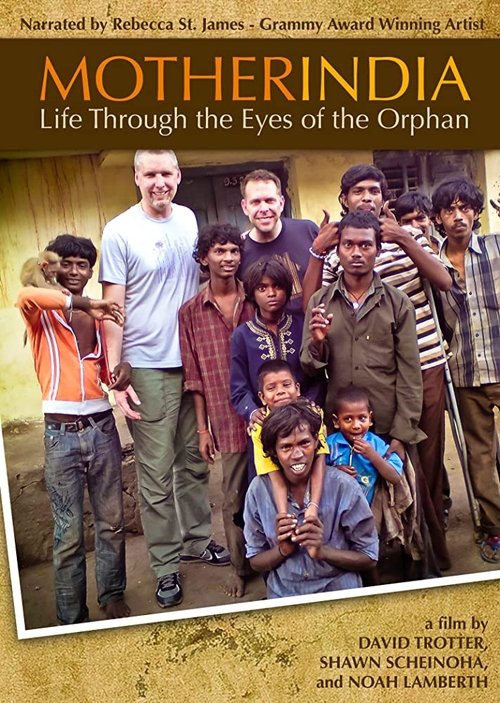
2012

2012
No reviews yet. Be the first to share your thoughts on this movie!
Use the rating form above to leave a star rating and optional review.