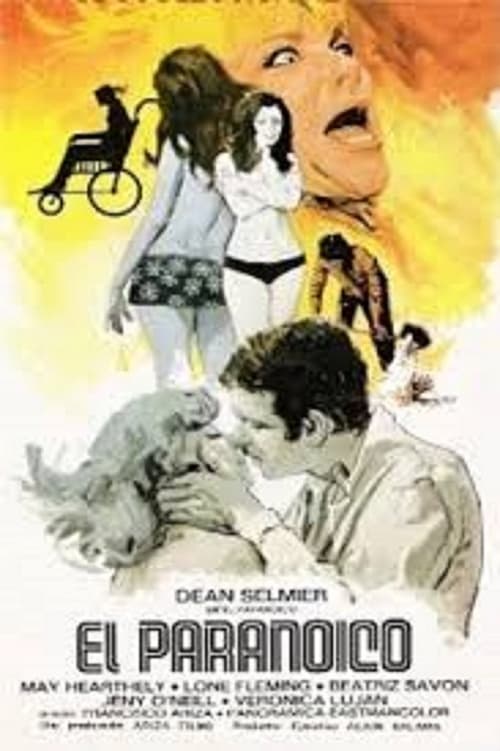
The Paranoid
1975
No user ratings available yet
Representation score: 3.9 out of 10
Representation Score
Minimal
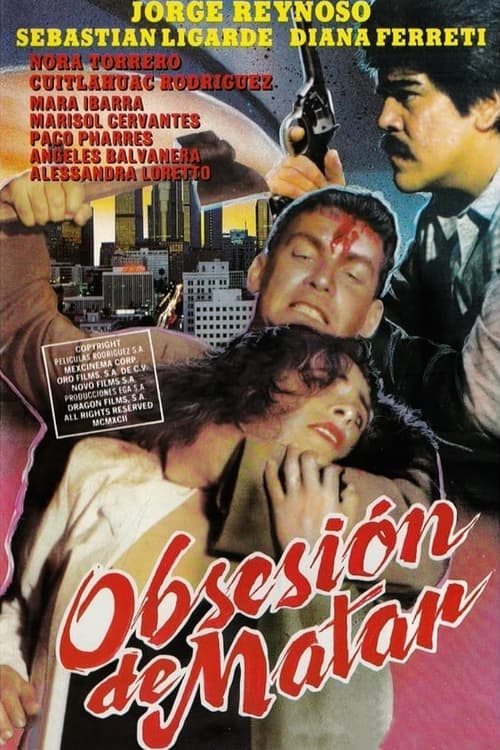
1993
Director
Ismael Rodríguez Jr.
Runtime
83 minutes
Average Rating
No ratings yetNew Showbiz Analysis
Obsession to Kill is a psychological horror film centered on a controversial character study involving extreme trauma and mass murder. The narrative heavily relies on themes of sexual violence and the breakdown of family structures. While the film explores the psychological impact of systemic trauma, it seems to prioritize typical horror elements over progressive themes. The focus is on individual pathology rather than diverse representation. Overall, the film's emphasis on masculine aggression and gendered violence leads to a low diversity profile, lacking representation across various social categories.
Category Breakdown
The film does not include any characters or stories related to LGBTQ+ identities or non-cisgender experiences. There is no mention of queer representation in the story.
The story revolves around extreme gendered violence, including rape and the killing of women. It challenges the nurturing mother stereotype but emphasizes pathological masculine aggression.
The available information provides no details regarding the racial or ethnic composition of the cast. No assessment of racial diversity can be made.
The story questions the idealized nuclear family by showing the maternal bond as a source of trauma. This challenges the idea of a perfect family structure.
The main character's psychological state is portrayed as criminal behavior rather than a nuanced look at neurodivergence. There are no characters with disabilities shown taking control of their lives.
Present on Screen
Limited or Absent
Official Synopsis
It's a story of a man who calls up a psychiatrist's radio show and recounts how, after being raped by his mother, he went on to kill both her and many other women. He claims it was out of love for them.
1975
1987
1986
1974
1975

2005
1965

2010
No reviews yet. Be the first to share your thoughts on this movie!
Use the rating form above to leave a star rating and optional review.