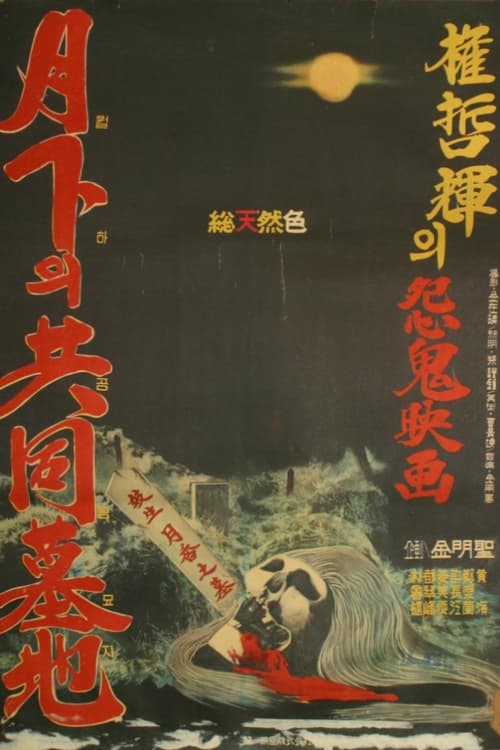
The Public Cemetery Under the Moon
1967
No user ratings available yet
Representation score: 4.7 out of 10
Representation Score
Minimal
1965
Director
Lee Yong-min
Runtime
93 minutes
Average Rating
No ratings yetNew Showbiz Analysis
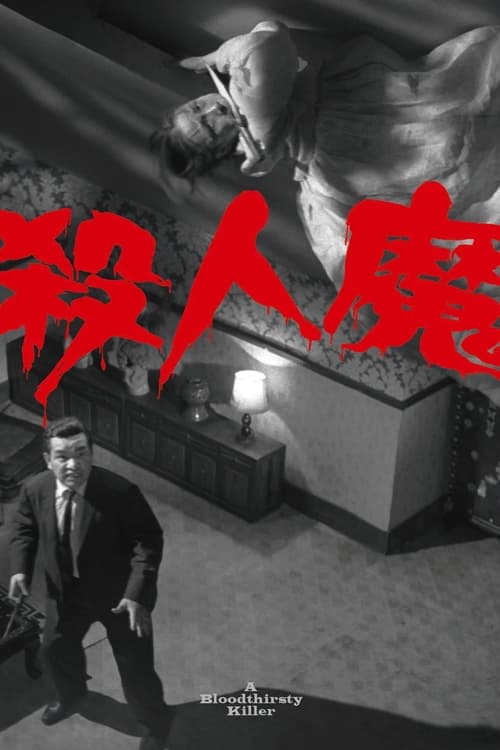
A Bloodthirsty Killer (1965) functions as a traditional supernatural thriller that adheres to established Gothic clichés. The plot focuses on the intrusion of a deceased figure into a living family unit, emphasizing themes of grief and domestic disruption. The film lacks intentionality regarding progressive representation or the subversion of social hierarchies. It operates within the standard genre conventions of mid-1960s South Korean cinema, prioritizing horror and psychological impact over identity-based exploration. While the female protagonist drives the plot, her ability to act is framed through the lens of vengeance. This reinforces traditional cinematic depictions of female instability rather than offering a complex deconstruction of gender roles.
Category Breakdown
The story centers on a heterosexual marriage between a man and his deceased ex-wife. There is no representation of LGBTQ+ identities or narratives that critique the assumption that everyone is straight or cisgender.
A female ghost drives the plot through her vengeance, providing a platform for female-driven action. However, this portrayal relies on the common cliché of the unstable, vengeful spirit rather than challenging traditional gender hierarchies.
As a 1965 South Korean production, the film offers a non-Western perspective. The narrative focuses on localized familial dynamics without exploring racial or ethnic diversity.
The film explores the disruption of the family unit through supernatural horror. It emphasizes traditional morality and the consequences of past actions rather than secular themes.
The narrative contains no mention of characters with visible or invisible disabilities.
Present on Screen
Limited or Absent
Official Synopsis
A man happens upon a painting of his long deceased ex-wife, and soon he and his family find themselves reacquainted with her bloodthirsty ghost.
1967
1977
1960
1970

1973
2003

1946
1980
No reviews yet. Be the first to share your thoughts on this movie!
Use the rating form above to leave a star rating and optional review.