
The Amazing Mr. X
1948
No user ratings available yet
Representation score: 3.1 out of 10
Representation Score
Minimal
1958
NRDirector
Alex Nicol
Runtime
68 minutes
Average Rating
No ratings yetNew Showbiz Analysis
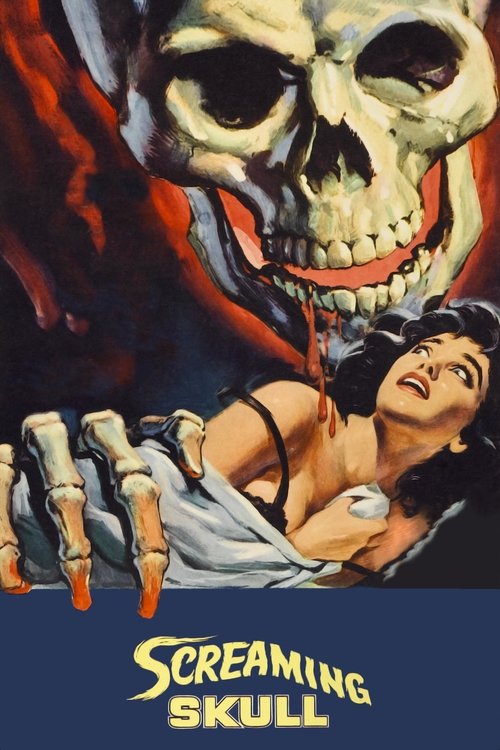
The Screaming Skull is a conventional mid-century thriller that upholds the social hierarchies and archetypes of its era. It lacks any intention to disrupt established norms, focusing instead on traditional domestic tensions and psychological ambiguity. The film relies heavily on outdated clichés, particularly regarding gender and mental health. By portraying the female lead as an unreliable narrator due to her instability, the story shifts power to the male protagonist to solve the mystery. Ultimately, the production is a product of its time, characterized by social homogeneity and a lack of diverse representation.
Category Breakdown
The film does not include any visible LGBTQ+ characters or non-cisgender identities. It operates entirely within a traditional framework that assumes everyone is straight and cisgender.
Jenni is central to the plot, but her role is weakened by her portrayal as mentally unstable. The narrative emphasizes hierarchies where the male protagonist provides stability and solves the mystery.
The cast appears homogeneous, reflecting typical Anglo-Saxon casting of the era. There are no characters of color with meaningful roles.
The story follows conventional Western storytelling norms, focusing on local superstitions and individual distress without critiquing religion or Western institutions.
The protagonist's history of mental illness is used mainly as a plot device to create suspense. Her mental state is used to heighten fear rather than explore lived experiences.
Present on Screen
Limited or Absent
Official Synopsis
Newlyweds Eric and Jenni Whitlock retire to his desolate mansion, where Eric's first wife Marianne died from a mysterious freak accident. Jenni, who has a history of mental illness, begins to see strange things including a mysterious skull, which may or may not be a product of her imagination.
1948
1965
1979
1971
1978

1972
1964
1944
No reviews yet. Be the first to share your thoughts on this movie!
Use the rating form above to leave a star rating and optional review.