Haunted
2017
No user ratings available yet
Diversity score: 3.2 out of 10
2017
Director
Tom Holland
Runtime
84 minutes
Average Rating
No ratings yetSynopsis
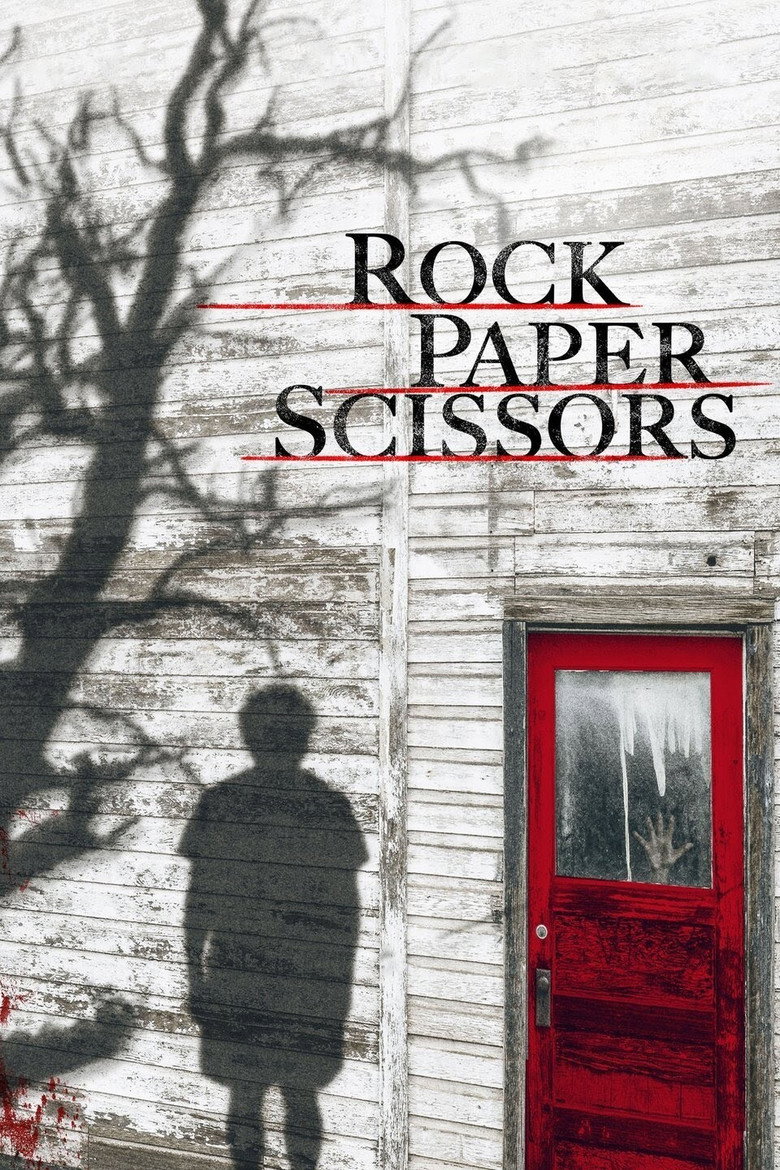
After being released, a reformed serial killer moves into his family's ancestral estate and is haunted by his past -- both the living and the dead.
Overall Score
Limited
Category Breakdown
LGBTQ+ Representation
The film lacks explicit LGBTQ+ narratives or characters that challenge heteronormativity. While Luke Macfarlane is part of the cast, his role does not provide confirmed queer agency or thematic focus.
Gender Representation
The story centers on a male protagonist, a reformed serial killer, which reinforces traditional masculine-driven plot dynamics. It follows standard thriller tropes rather than subverting gender hierarchies or elevating female intellect.
Racial & Ethnic Diversity
The cast includes racial variety through actors like Quinton Aaron and Najarra Townsend. However, the ancestral estate setting suggests a focus on Western lineage rather than deconstructing racial power dynamics.
Religious & Cultural Diversity
The narrative focuses on personal redemption and family legacy within a traditional estate. It lacks critiques of Western or institutional structures, sticking to conventional storytelling regarding individual morality.
Disability Representation
The film explores psychological instability and trauma through its haunting premise. It remains unclear if these elements offer meaningful neurodivergent representation or simply serve as genre-driven plot devices.
Strengths
Areas for Improvement
AI Analysis
Rock, Paper, Scissors operates within a conventional psychological thriller framework that prioritizes genre tropes over progressive representation. The narrative is driven by a male-centric protagonist and themes of personal legacy, which limits the opportunity for systemic subversion. While the cast offers some racial variety, the film's focus on ancestral estates and individual trauma keeps the story rooted in traditional Western storytelling. There is little evidence of intentional efforts to challenge social hierarchies or provide nuanced identity-based narratives. Ultimately, the film functions as a standard genre piece. It lacks the thematic depth required to address intersectional identities, focusing instead on the psychological tension of a reformed killer's past.
2017
2015
2015
2018
2015

2017
1978
2008
2014

2017
2015
2017
No reviews yet. Be the first to share your thoughts on this movie!
Use the rating form above to leave a star rating and optional review.