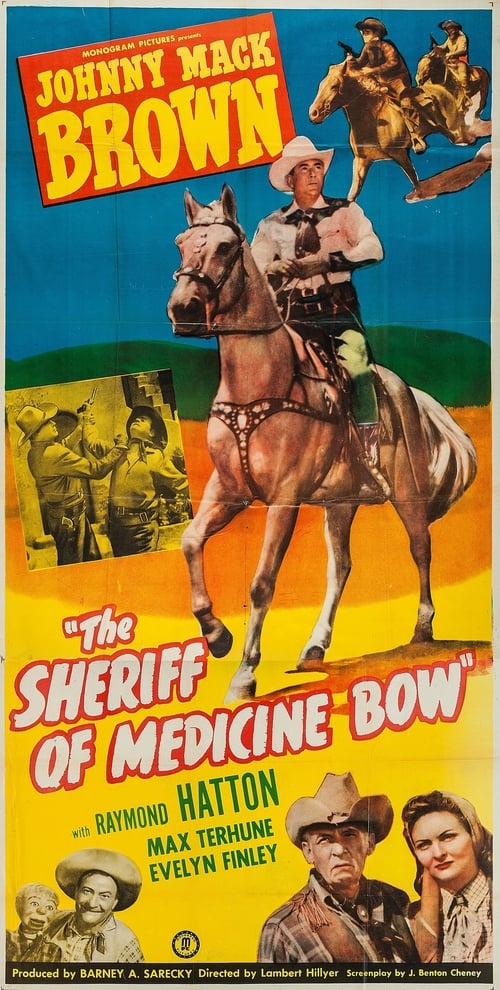
The Sheriff of Medicine Bow
1948
No user ratings available yet
Representation score: 0.6 out of 10
Representation Score
Minimal
1948
ApprovedDirector
Lambert Hillyer
Runtime
57 minutes
Average Rating
No ratings yetNew Showbiz Analysis
The narrative centers on male protagonists resolving conflicts through gunfights and law enforcement. Female characters serve as emotional stakes or rescued parties rather than active drivers of the plot. Frontier justice is restored by the defeat of violent outlaws, emphasizing rugged individualism and territorial control. Racial diversity is minimal, consistent with the era’s B-movie production standards. Non-white characters are scarce or entirely absent from the main cast. The setting reinforces established hierarchies where men enforce order and women provide emotional context. Cultural values favor individual liberty, legal authority, and physical competence. The film presents a straightforward adventure without challenging contemporary social norms or exploring complex identity themes.
Category Breakdown
No same-sex romance or openly LGBTQ+ characters appear. Interpersonal dynamics follow conventional 1940s heterosexual norms without subtext.
Men drive the plot as lawmen and outlaws. Women appear as supportive figures or targets of rescue, lacking independent agency in the central conflict.
The cast is predominantly white. Native American presence is minimal or absent, reflecting era-typical frontier casting standards.
The film upholds frontier law, individual honor, and masculine competence. Western institutions like the Ranger corps are framed as moral anchors against outlaws.
No characters have ongoing disabilities. Physical fitness is valued, but no plot points center on impairment or medical conditions.
Present on Screen
Limited or Absent
Official Synopsis
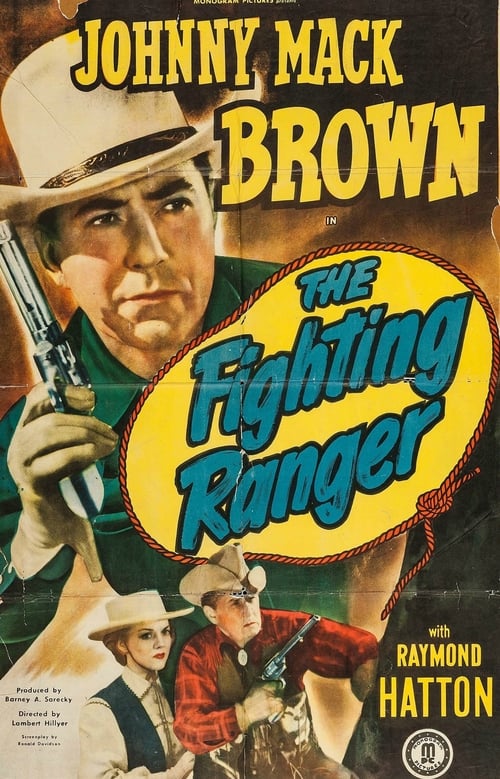
A Texas Ranger and his partner gallop after a band of desperadoes.
1948
1939
1944
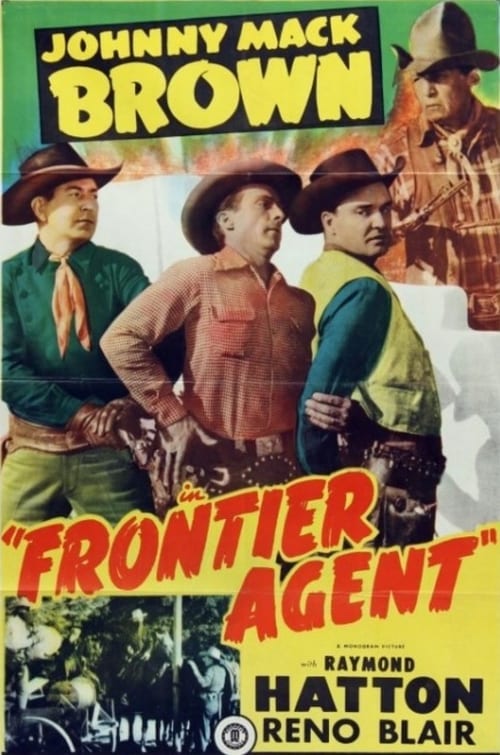
1948
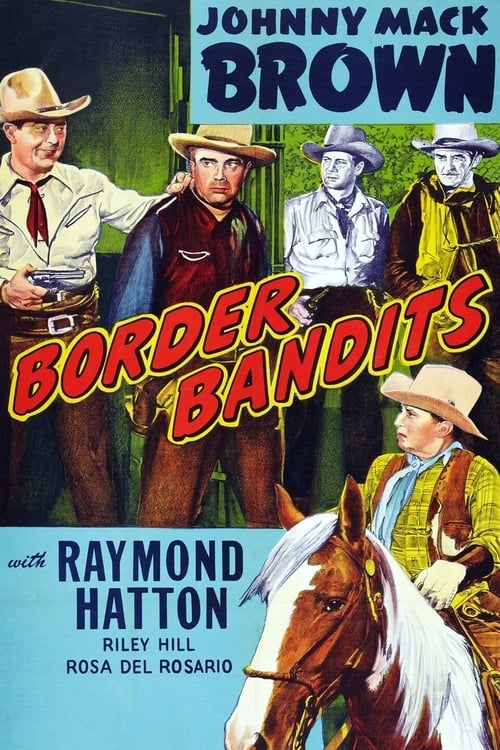
1946
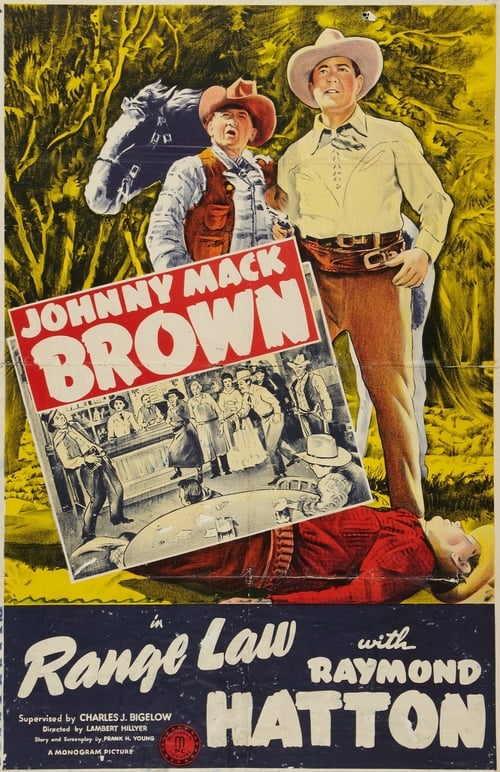
1944
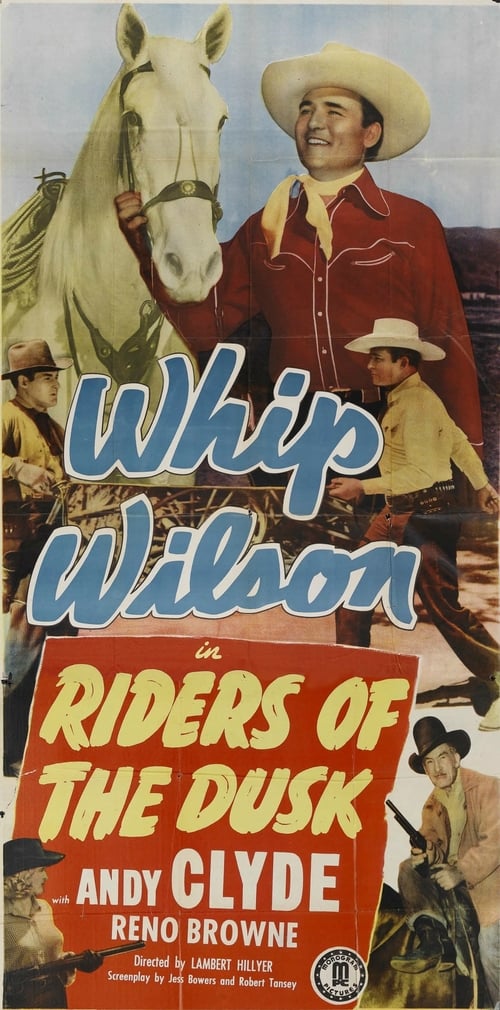
1949

1950
No reviews yet. Be the first to share your thoughts on this movie!
Use the rating form above to leave a star rating and optional review.