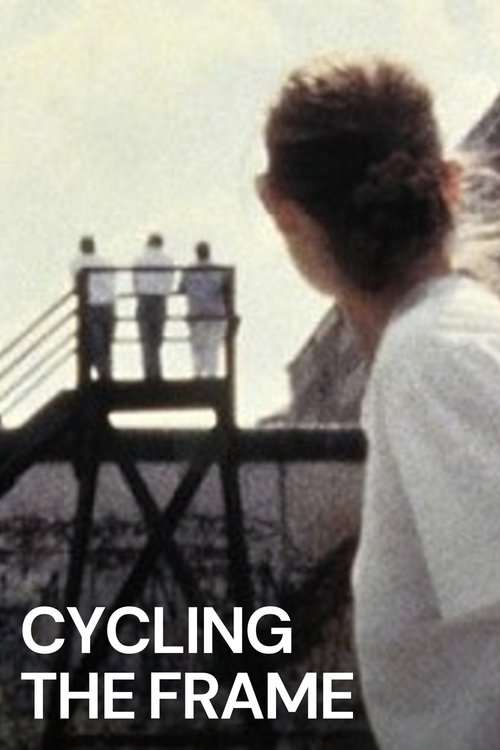
Cycling the Frame
1988
No user ratings available yet
Diversity score: 6.0 out of 10

2009
Director
Cynthia Beatt
Runtime
60 minutes
Average Rating
No ratings yetSynopsis
In 1988, Cynthia Beatt and the young Tilda Swinton embarked on a filmic journey along the Berlin Wall into little-known territory. The film is now an unusual document. 21 years later, in June 2009, Beatt & Swinton re-traced the line of the Wall that once isolated West Berlin. This film depicts this poetic passage through varied landscapes, this time on both sides of the former Wall.
Overall Score
Fair
Category Breakdown
LGBTQ+ Representation
The film utilizes a poetic, non-linear framework that avoids traditional heteronormative structures. While it lacks explicit queer character arcs, its subversion of rigid geopolitical boundaries aligns with queer temporalities.
Gender Representation
This documentary is a significant exercise in female-driven authorship. By centering the collaboration between Beatt and Swinton, the film places women at the heart of a journey through a masculine geopolitical landscape.
Racial & Ethnic Diversity
The narrative focuses on a specific European historical site, prioritizing time and memory over racial diversity. It does not explicitly utilize diverse casting or non-Western metaphors to drive its thesis.
Religious & Cultural Diversity
The film challenges Western institutional narratives by treating the Berlin Wall as a site of poetic fragmentation. It favors subjective truth over state-sanctioned political celebrations.
Disability Representation
There is no documented evidence regarding the portrayal of physical or neurodivergent disabilities within this work.
Strengths
Areas for Improvement
AI Analysis
The Invisible Frame succeeds as a subversive historical document by replacing 'great man' theories with a contemplative, female-led perspective. It effectively uses temporal juxtaposition to deconstruct the rigid history of the Berlin Wall. However, the film's demographic breadth is constrained by its specific focus on European geography. While intellectually deep, it lacks explicit representation of diverse racial or ethnic identities. Ultimately, the work excels in gendered authorship and cultural critique, even if its specific demographic scope remains narrow.
1988

2018

2021

2018
1989

1995
1996
1980

1990

2021
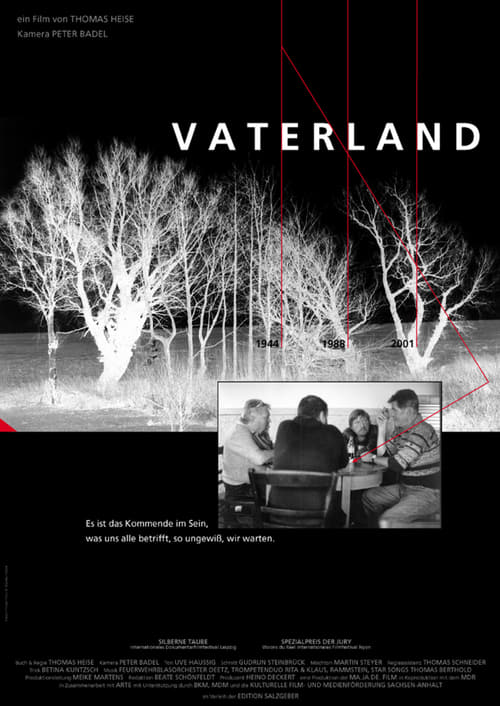
2002
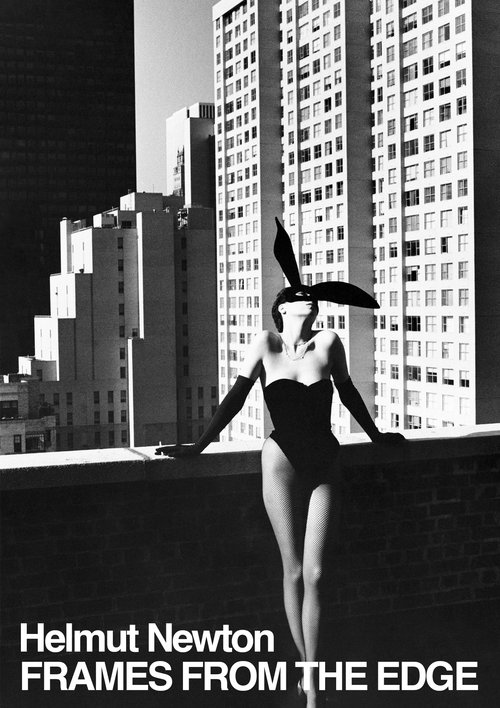
1989
No reviews yet. Be the first to share your thoughts on this movie!
Use the rating form above to leave a star rating and optional review.