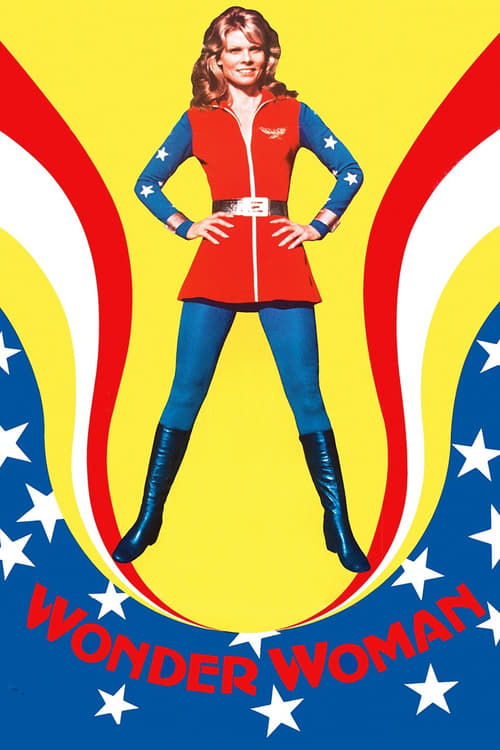
Wonder Woman
1974
No user ratings available yet
Representation score: 2.2 out of 10
Representation Score
Minimal
1967
Director
Leslie H. Martinson
Runtime
4 minutes
Average Rating
No ratings yetNew Showbiz Analysis
This 1967 pilot presents a mix of progressive and traditional elements. It challenges 1960s gender hierarchies by featuring a powerful female protagonist with superhuman strength. Diana Prince resolves high-stakes conflicts typically handled by men. However, the film remains confined within the social norms of its time. The absence of racial, LGBTQ+, and disability representation keeps it within a narrow, traditional framework. The emphasis on domesticity and traditional pressures limits its potential for progressiveness. Ultimately, while the protagonist's strength offers a glimpse of gender subversion, the overall environment is marked by homogeneity and adherence to the status quo.
Category Breakdown
The film does not include any LGBTQ+ characters or non-cisgender identities. The social dynamics focus solely on traditional heterosexual expectations for the protagonist’s romantic life.
Diana Prince offers strong female representation as a powerful protagonist with superhuman strength. However, the subplot involving her mother emphasizes traditional domestic roles and romantic expectations.
The cast is predominantly white, reflecting the casting practices of 1967. There is no significant representation of racial or ethnic minorities.
The narrative adheres to a conventional framework emphasizing Western middle-class stability and law and order. It does not critique religious or capitalist institutions.
No visible or invisible disabilities are portrayed. None of the characters have storylines centered around physical impairments or neurodivergence.
Present on Screen
Limited or Absent
Official Synopsis
The first attempt to translate Wonder Woman to the small screen in 1967. Diana lives with her mother close to a United States Air Force base. Much of the film consists of her mother berating Diana about not having a boyfriend. When her mother leaves the room, Diana changes into her Wonder Woman costume and admires her reflection in a mirror. What she sees is not Diana Prince, but rather a sexy super-heroic figure (played by Linda Harrison) who proceeds to preen and pose as the song "Oh, You Beautiful Doll" plays on the soundtrack.
1974
1994
1975

1970
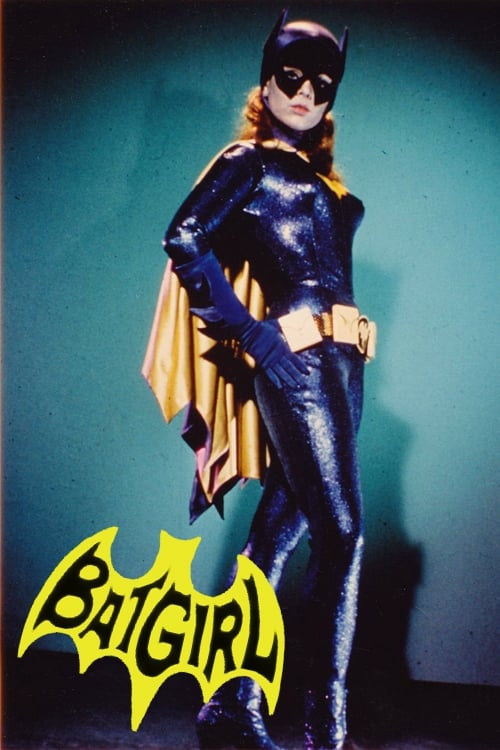
1967
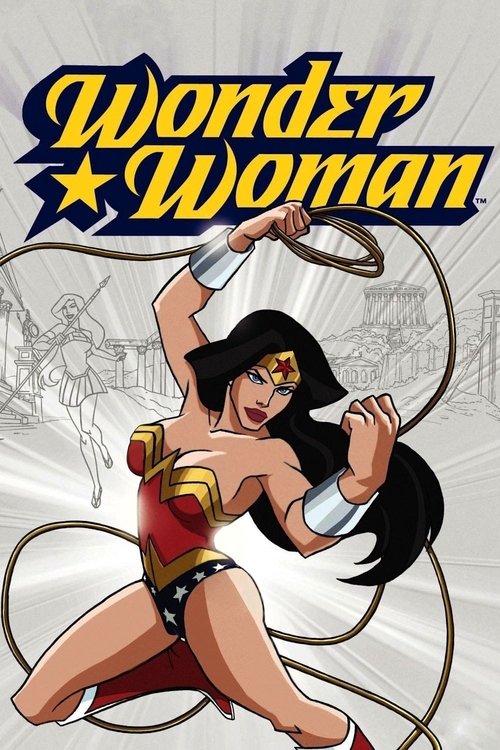
2009
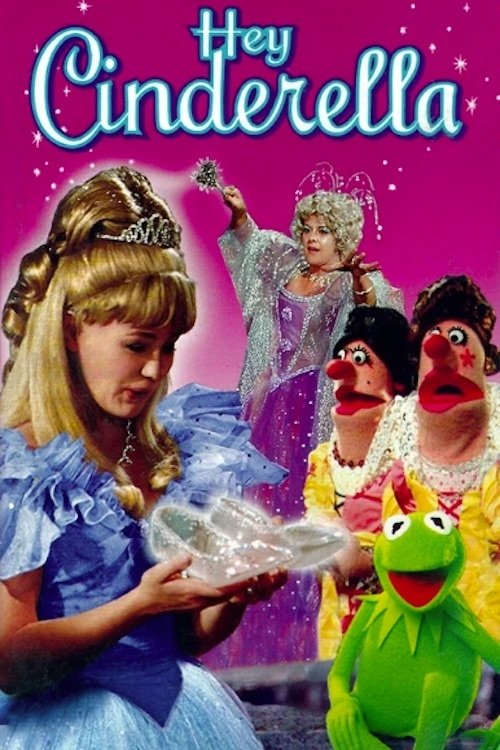
1969
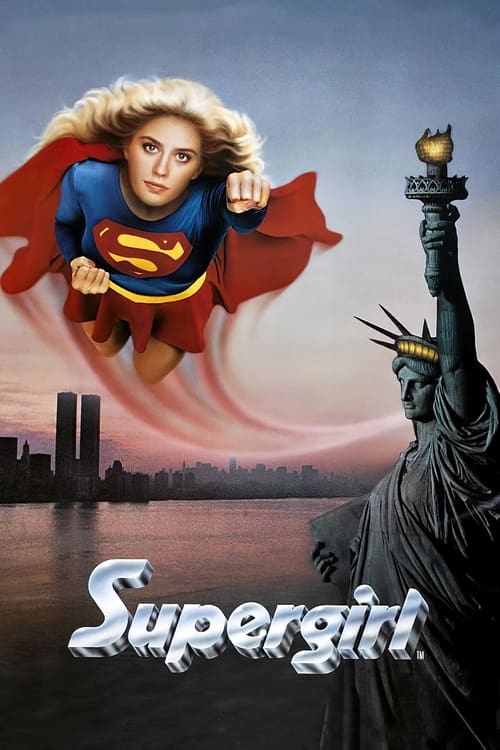
1984
No reviews yet. Be the first to share your thoughts on this movie!
Use the rating form above to leave a star rating and optional review.