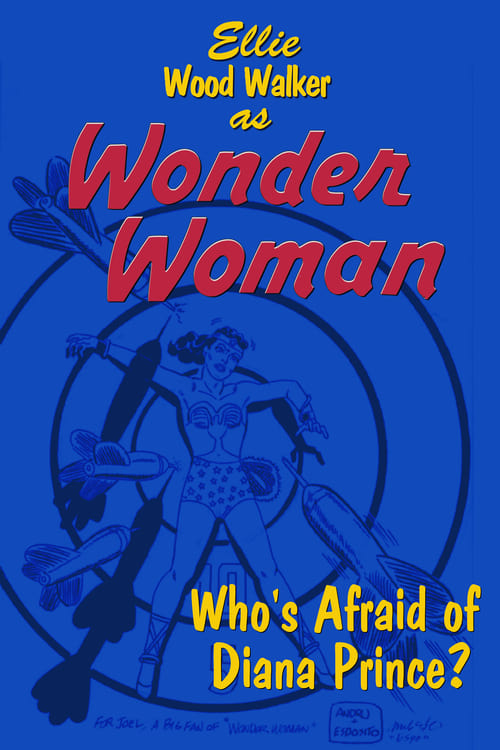
Wonder Woman: Who's Afraid of Diana Prince?
1967
No user ratings available yet
Representation score: 1.7 out of 10
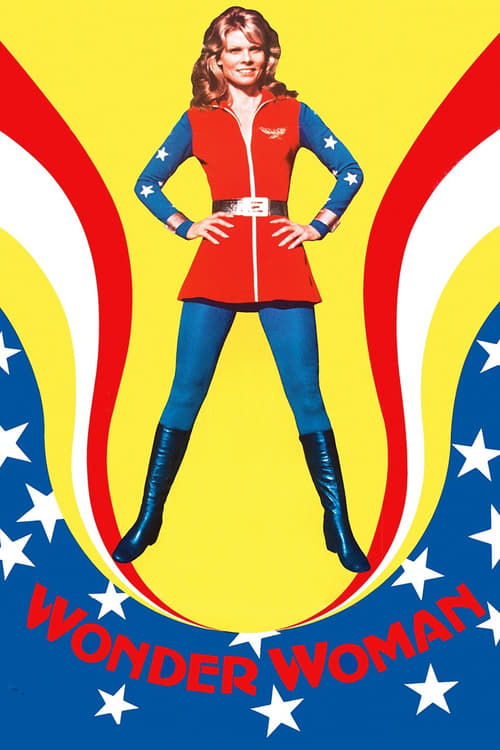
Representation Score
Limited
1974
Not RatedDirector
Vincent McEveety
Runtime
75 minutes
Average Rating
No ratings yetNew Showbiz Analysis
Wonder Woman (1974) stands as a pioneering film for female-led action, effectively challenging the gendered power structures of the mid-20th century. By centering a strong female protagonist, it defies the stereotype of the passive female character. However, the film is rooted in the social and demographic norms of its time. It lacks depth in representing diverse identities such as race, sexuality, or disability. While Diana Prince inspires a female audience, the production reflects the cultural values and homogeneous casting standards of its era.
Category Breakdown
The film does not include any LGBTQ+ characters or non-cisgender identities. The social framework remains focused on traditional heterosexual and gender roles of the 1970s.
Diana Prince challenges traditional gender roles by possessing both physical strength and intellectual capabilities. She drives the plot within male-dominated military and intelligence environments.
The casting is uniform and follows the demographic norms of 1974. The Amazonian mythology functions as a fantasy cliché without reflecting racial or ethnic diversity.
The narrative adheres to a traditional Western framework of morality. It upholds conventional notions of justice and heroism through a classic good-versus-evil binary.
There is no representation of physical, neurodivergent, or mental health disabilities within the main characters or primary storyline.
Present on Screen
Limited or Absent
Official Synopsis
A super-hero uses her powers to thwart an international spy ring.
1967
1994
2020
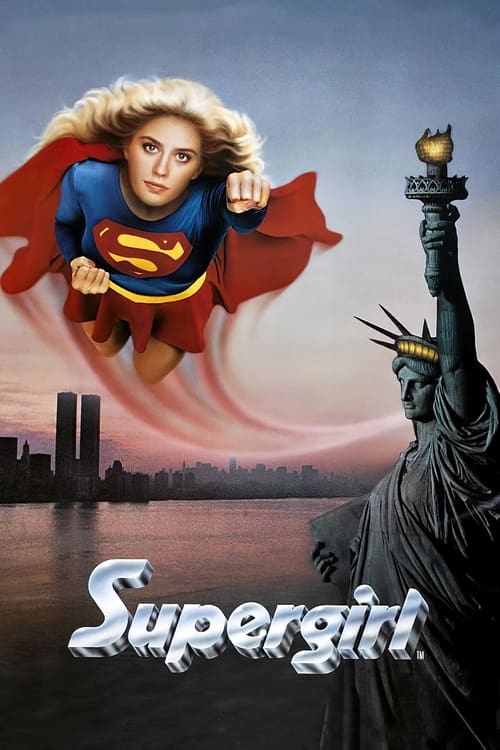
1984
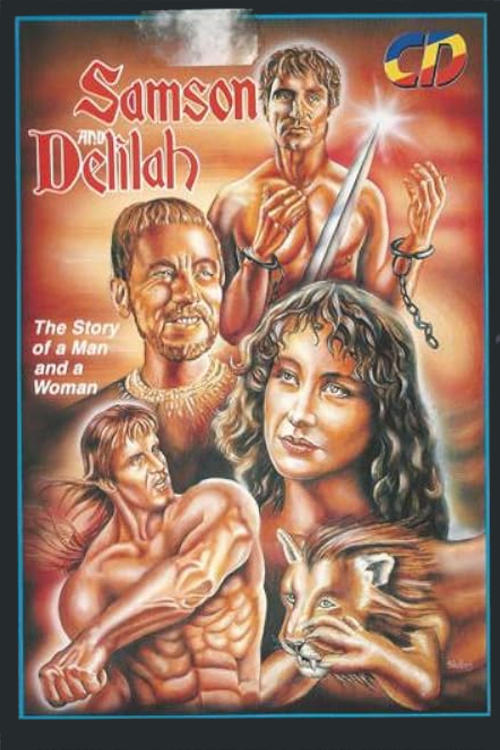
1984

1994
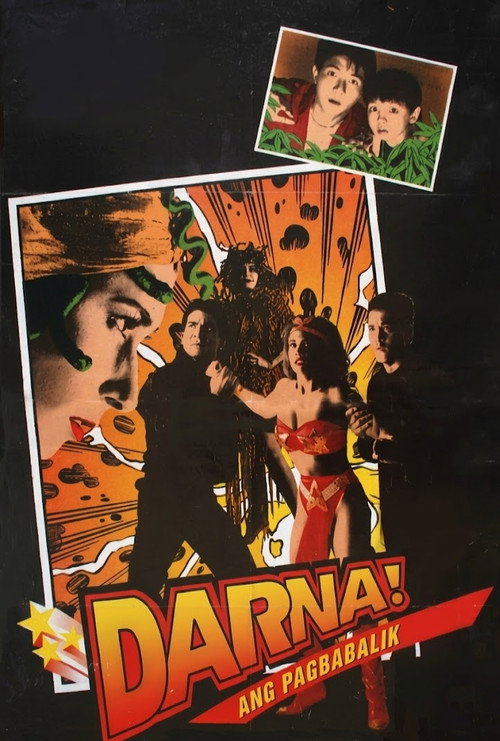
1994
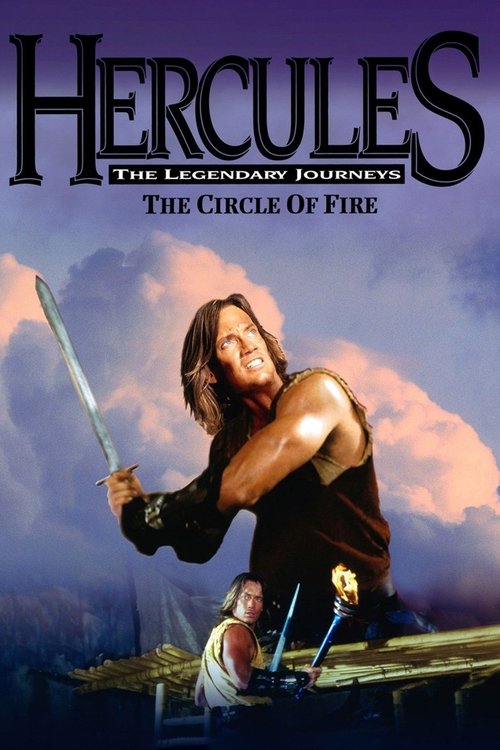
1994
No reviews yet. Be the first to share your thoughts on this movie!
Use the rating form above to leave a star rating and optional review.