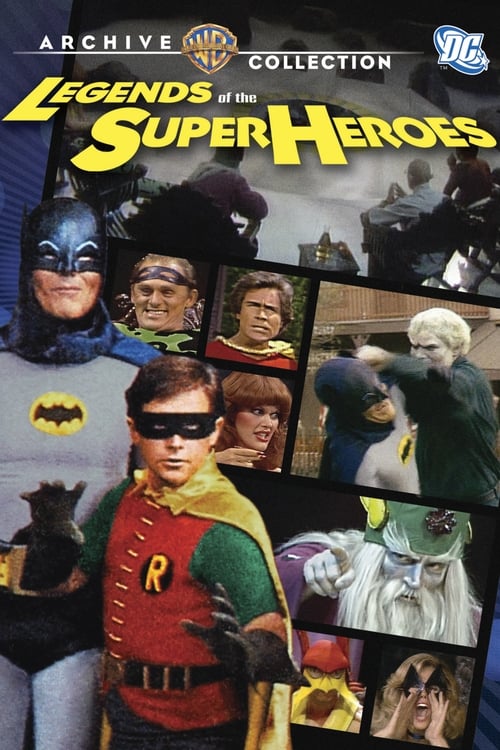
Legends of the Super Heroes
1979
No user ratings available yet
Representation score: 3.8 out of 10
Representation Score
Limited
1975
Director
Jack Regas
Runtime
92 minutes
Average Rating
No ratings yetNew Showbiz Analysis
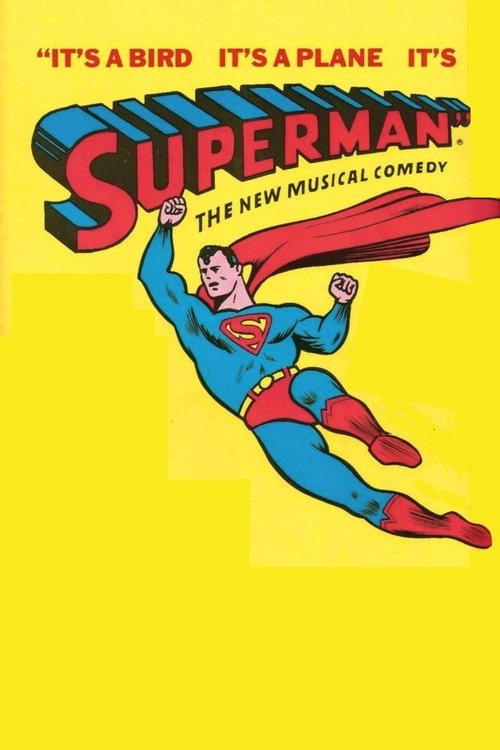
This musical adaptation focuses on the satirical deconstruction of a singular superhero icon, prioritizing the exploration of the protagonist's internal identity crisis over characters who reflect more than one aspect of diversity. The production is deeply rooted in the mid-century genre conventions of its source material, focusing on the psychological complexities of Superman rather than disrupting established social hierarchies or providing ability to act to underrepresented groups.
Category Breakdown
The film uses a camp aesthetic that plays with theatricality and non-traditional expressions. However, it doesn't include explicit LGBTQ+ characters or stories that challenge the assumption that everyone is straight.
The musical comedy framework relies on traditional gender roles. While the protagonist's vulnerability slightly subverts typical masculinity, the overall production adheres to conventional gender dynamics.
Reflecting the mid-1970s television landscape, the production displays significant demographic homogeneity. The narrative remains centered on a Western-centric heroic archetype without evidence of diverse casting.
The story functions as a satirical exploration of a classic American icon. It operates within traditional Western heroism and lacks narratives that challenge cultural norms or the status quo.
The protagonist's struggles are framed as psychological or existential crises related to his superhuman status. The film does not center on physical disabilities, neurodivergence, or chronic illness.
Present on Screen
Limited or Absent
Official Synopsis
TV adaptation of the campy 1960s Broadway musical about the Man of Steel, his friends, his enemies, and his self-image problems.
1979
1997
1961
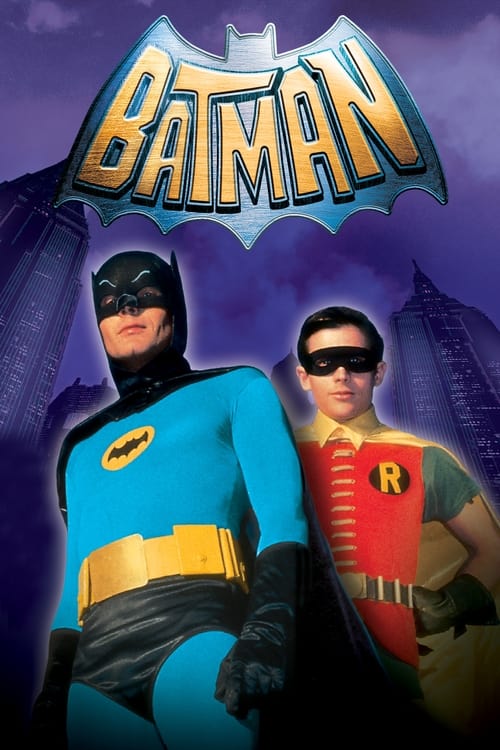
1966
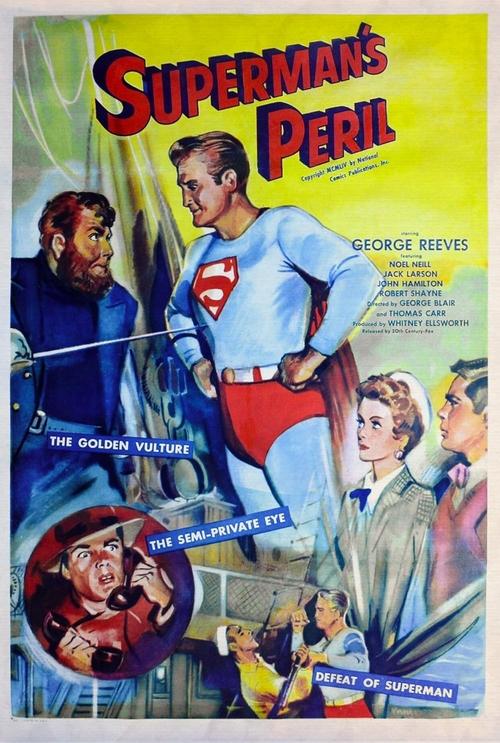
1954

2020
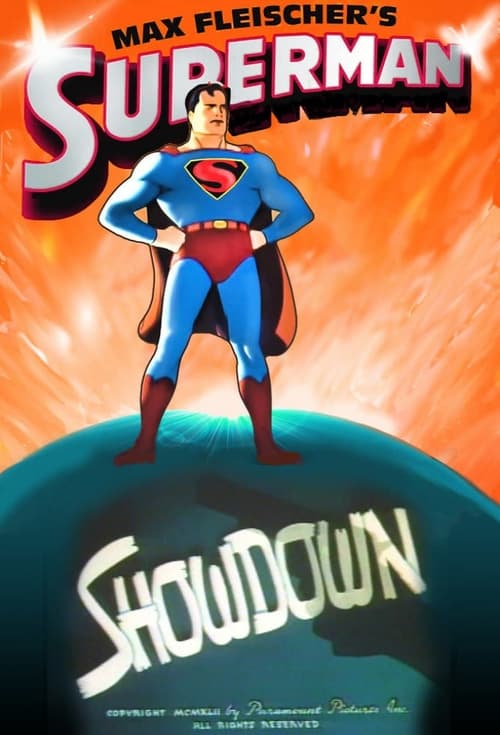
1942
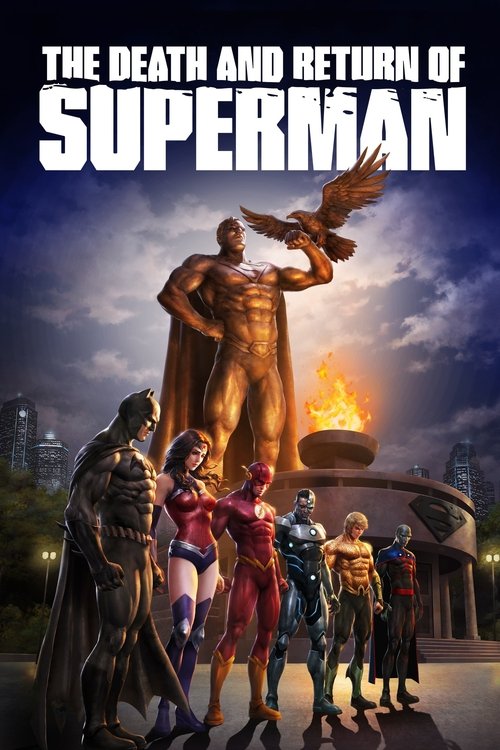
2019
No reviews yet. Be the first to share your thoughts on this movie!
Use the rating form above to leave a star rating and optional review.