À la française
2012
No user ratings available yet
Representation score: 3.6 out of 10
Representation Score
Limited
2007
Director
Michael Herbig
Runtime
85 minutes
Average Rating
No ratings yetNew Showbiz Analysis
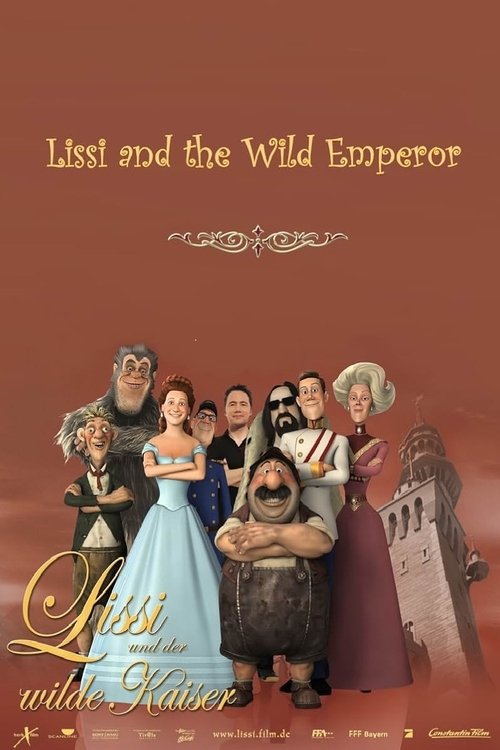
Lissi and the Wild Emperor operates as a satirical deconstruction of the historical Sissi film genre. By using a fantastical premise involving a yeti and a pact with the devil, the film mocks the romanticized clichés of the Austrian imperial era. While the parody helps challenge rigid historical hierarchies, the film lacks depth in representing multiple aspects of identity. It relies on a traditional romantic structure and remains confined to the demographic and cultural boundaries of its historical setting. Ultimately, the film occupies a transitional space. It uses comedy to challenge traditional archetypes without introducing a truly diverse or non-traditional character framework.
Category Breakdown
The story focuses on the romantic relationship between Princess Lissi and her husband. There are no queer narratives or non-conforming gender identities in the plot.
As a parody of imperial dramas, the film likely mocks submissive femininity. However, it lacks clear evidence of female characters exercising significant influence or intelligence.
The setting adheres to the demographic constraints of the Austrian Empire. While a yeti introduces a sense of 'otherness,' the main cast lacks ethnic diversity.
The film critiques Western institutions through absurdity and supernatural elements. It remains largely tied to the imperial structures it aims to mock.
There are no visible or invisible disabilities portrayed with ability to act. Characters do not appear to be defined by physical or mental health conditions.
Present on Screen
Limited or Absent
Official Synopsis
The plot concerns a yeti who makes a pact with the devil to kidnap the most beautiful girl in the world. This turns out to be the Princess Lissi, who is clearly the Austrian Princess and later Empress Elisabeth of Bavaria, and much of the film is taken up with subplots related to the court and to the romantic relationship between Elisabeth and her husband. The film is thus a comic parody of the Sissi films.
2012
1955
2007
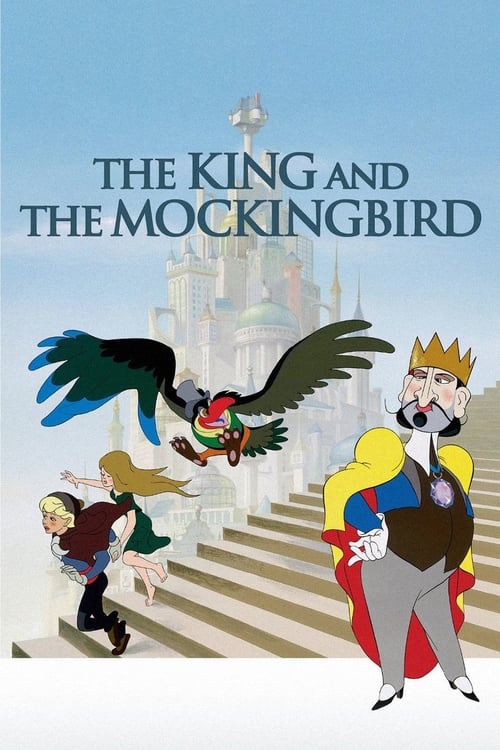
1980
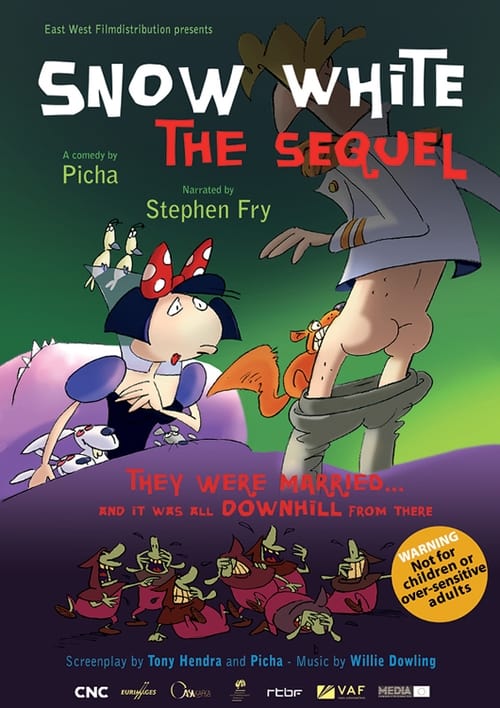
2007
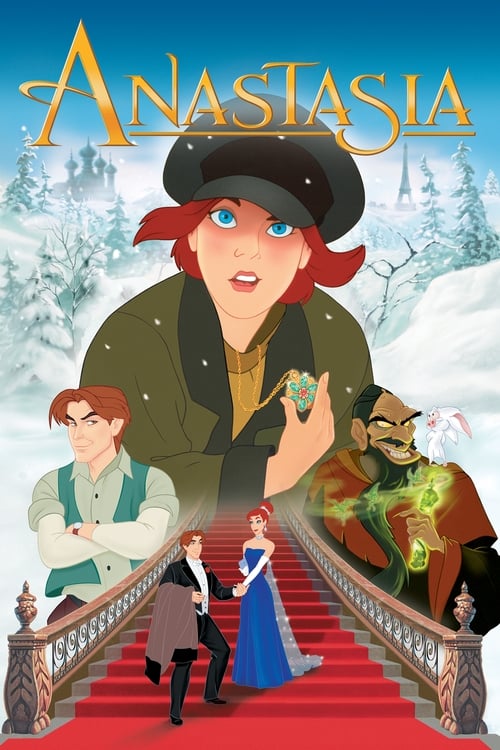
1997

2008
2012
No reviews yet. Be the first to share your thoughts on this movie!
Use the rating form above to leave a star rating and optional review.