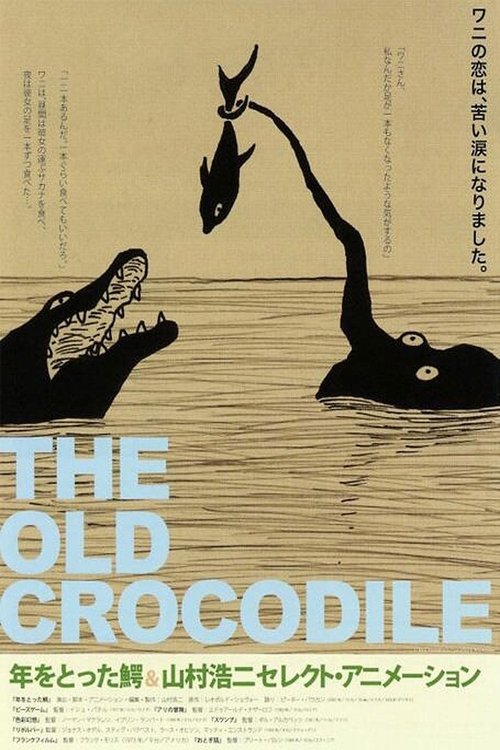
The Old Crocodile
2005
No user ratings available yet
Representation score: 5.0 out of 10
Representation Score
Limited
2005
Director
Chang Hyung-yun
Runtime
10 minutes
Average Rating
No ratings yetNew Showbiz Analysis
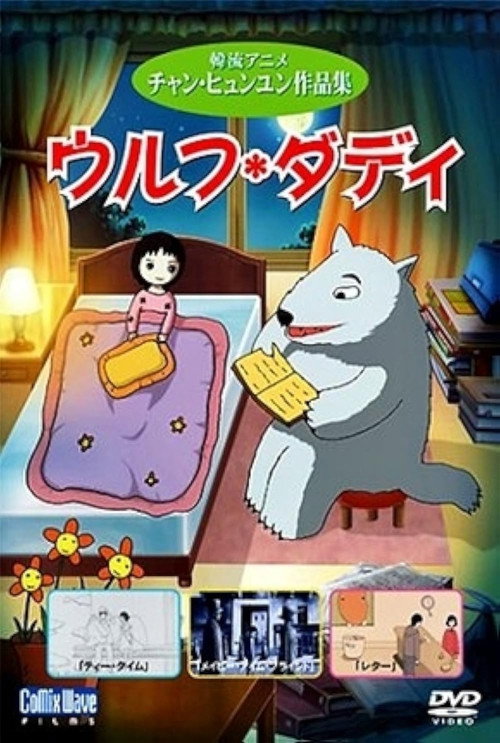
Wolf Daddy explores unconventional kinship through an animated lens. By focusing on a non-human entity as a caregiver, the film moves away from traditional human-centric domesticity and biological family structures. While the South Korean origin provides a non-Western perspective, the film lacks specific details about multi-layered diversity. The narrative seems more concerned with species boundaries than sociopolitical identity. Ultimately, the film's diversity comes from disrupting the nuclear family cliché rather than explicitly representing underrepresented social groups.
Category Breakdown
The film doesn't show any LGBTQ+ identities or same-sex relationships. It focuses on the bond between a wolf and a child.
It's unclear if the film challenges traditional gender roles. The wolf acting as a 'Daddy' figure might disrupt typical protector roles.
As a South Korean production, the film offers a non-Western perspective. However, the specific ethnicities of characters are not confirmed.
The film disrupts the traditional nuclear family unit by having a wolf adopt a child. This explores non-traditional domesticity and subjective morality.
There is no indication of characters with visible or invisible disabilities in the film.
Present on Screen
Limited or Absent
Official Synopsis
A wolf takes in a little girl.
2005
2011
1997

2021
1998
1962
2015
2012
No reviews yet. Be the first to share your thoughts on this movie!
Use the rating form above to leave a star rating and optional review.