
Easiest Profession
1957
No user ratings available yet
Representation score: 1.4 out of 10
Representation Score
Limited
1937
Director
Jacques Houssin
Runtime
84 minutes
Average Rating
No ratings yetNew Showbiz Analysis
Jacques Houssin's comedy reflects the cultural and demographic norms of 1937. It emphasizes character-driven situational humor rather than sociopolitical commentary or disrupting social hierarchies. The narrative structure revolves around conventional social norms, focusing on a male protagonist navigating employment and social standing. This reinforces the gender roles typical of European cinema from that era. Overall, the film does not intentionally challenge social expectations. It remains a product of its time, lacking diverse perspectives and characters who reflect more than one aspect of diversity.
Category Breakdown
The film doesn't include any characters with non-binary gender identities or same-sex relationships. It follows the typical social structures found in French comedies from the 1930s.
The story centers on a male protagonist dealing with social and employment issues. There are no female characters challenging traditional gender roles or intellectual hierarchies.
The film likely reflects the homogeneous demographics of its time. There is no evidence of diverse casting or themes addressing ethnic diversity.
The story focuses on individual social interactions within a city. It follows the standard social norms of mid-20th century France without critiquing broader societal systems.
There is no evidence of characters with physical or neurodivergent disabilities in the film.
Present on Screen
Limited or Absent
Official Synopsis
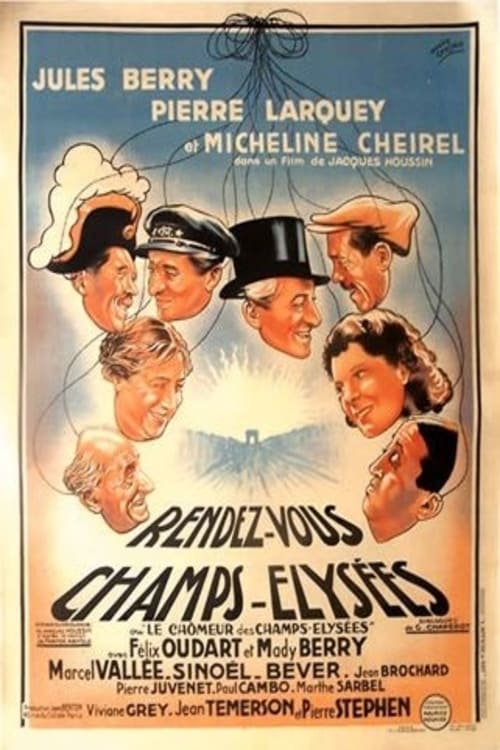
A reveler who has experienced setbacks tries to become unemployed without ever having worked.
1957
1932
1938
1997
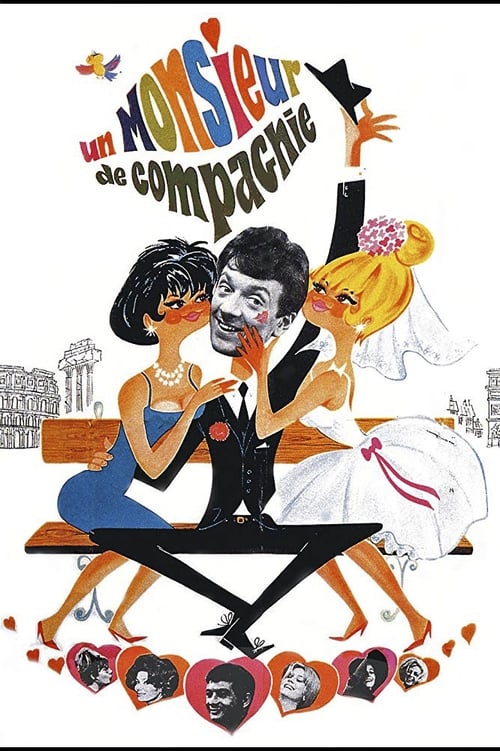
1964
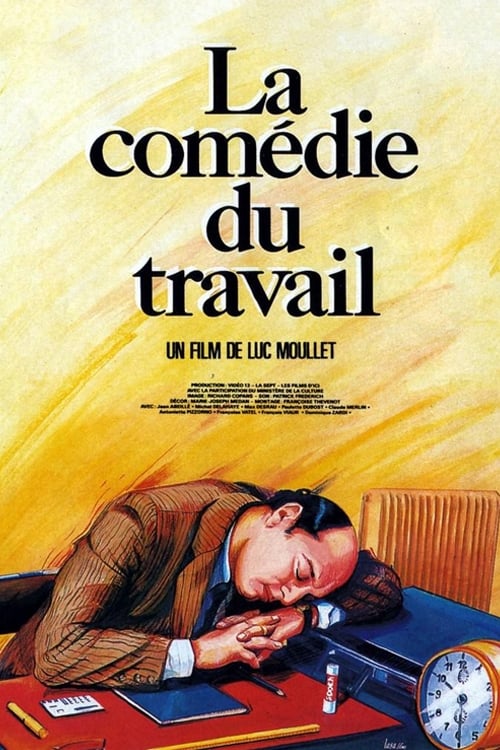
1988
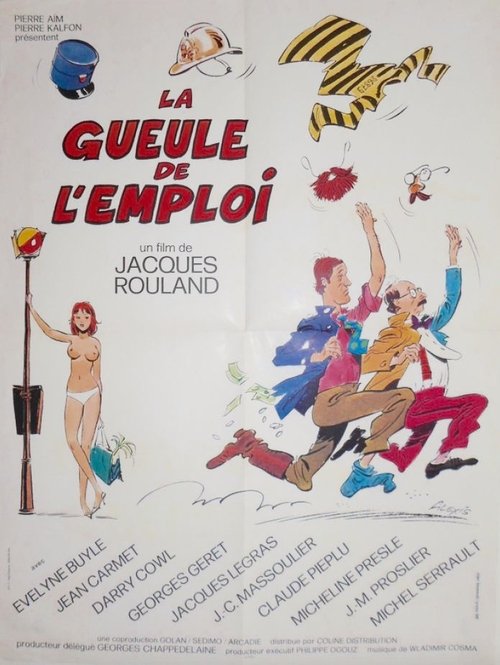
1974
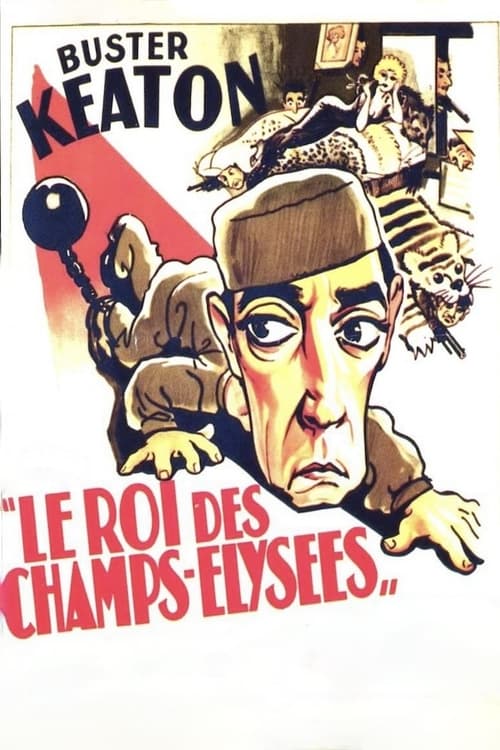
1934
No reviews yet. Be the first to share your thoughts on this movie!
Use the rating form above to leave a star rating and optional review.