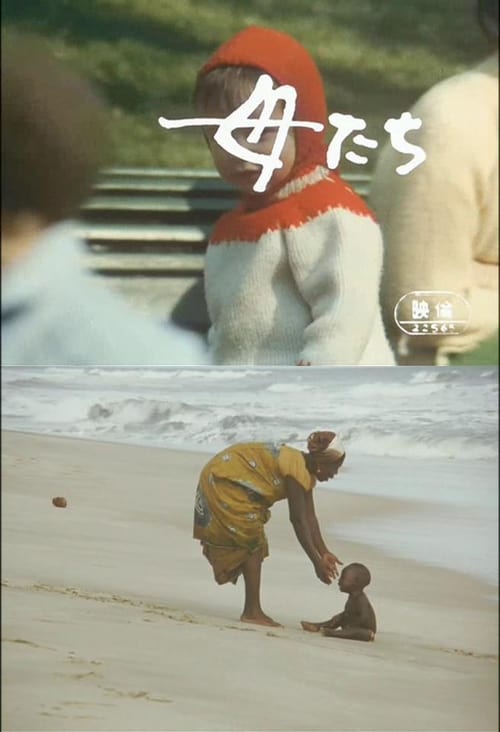
Mothers
1967
No user ratings available yet
Representation score: 6.0 out of 10
Representation Score
Good
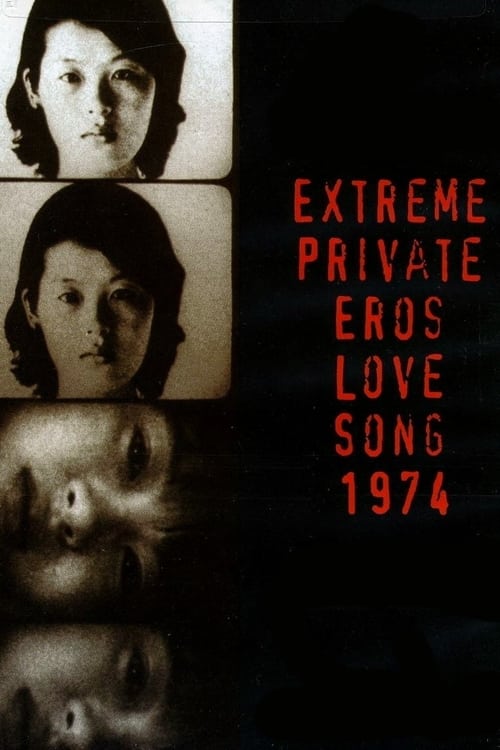
1974
Not RatedDirector
Kazuo Hara
Runtime
98 minutes
Average Rating
No ratings yetNew Showbiz Analysis
Kazuo Hara’s documentary is a bold exploration of individual freedom that challenges traditional social norms. By focusing on Miyuki Takeda’s pursuit of liberation, the film effectively dismantles patriarchal constraints and the limitations of the nuclear family. The work stands out in its portrayal of gender and sexual autonomy, providing a progressive perspective on identity during the 1970s. However, its concentration on a specific Japanese context leads to a lack of racial and ethnic diversity. Overall, the film serves as a powerful tool for questioning societal constraints through its intimate, participatory approach.
Category Breakdown
The film showcases Miyuki Takeda's journey exploring intimacy with both men and women. It offers a candid look at sexual exploration during the mid-1970s, when such topics were rarely discussed openly.
Miyuki Takeda is shown as an outspoken feminist who rejects traditional submissive roles. Her decision to leave marriage is framed as an act of self-empowerment.
The documentary focuses on a specific domestic struggle within 1970s Japan. It features a culturally homogeneous cast without incorporating diverse casting or considering multiple racial backgrounds.
The film critiques traditional social structures and the nuclear family. It portrays unconventional choices, like single motherhood, as valid paths rather than moral failures.
There is no significant evidence regarding the portrayal of physical or neurodivergent disabilities in this work.
Present on Screen
Limited or Absent
Official Synopsis
When his wife, the outspoken feminist Miyuki Takeda, announced that she was leaving him in order to find herself, Kazuo Hara began this raw, intensely personal documentary as a way to both maintain a connection to the woman he still cared for and to make sense of their complex relationship. Granted at times shockingly intimate access to Miyuki’s personal life, Hara follows her wayward journey toward liberation as she explores her sexuality with both men and women, becomes pregnant and raises a family as a single mother, and grows increasingly disenchanted with the constraints of traditional social structures.
1967

1965

1971

1961

1958

2006

1971

1975
No reviews yet. Be the first to share your thoughts on this movie!
Use the rating form above to leave a star rating and optional review.