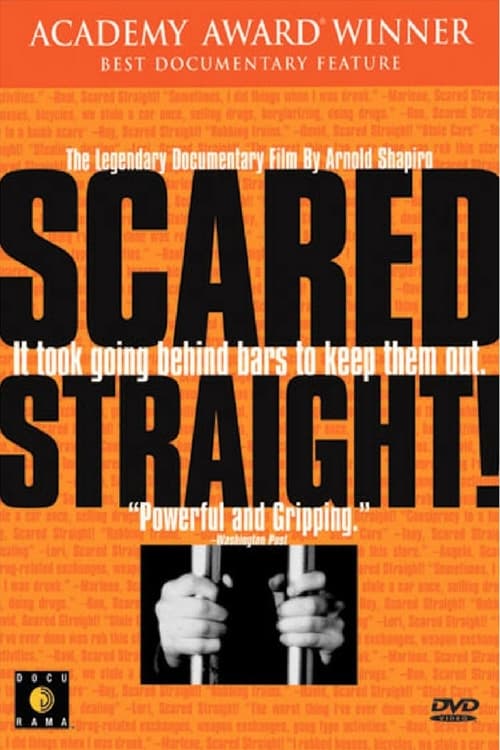
Scared Straight!
1978
No user ratings available yet
Representation score: 1.1 out of 10
Representation Score
Excellent
1979
Director
Joan Churchill, Nick Broomfield
Runtime
85 minutes
Average Rating
No ratings yetNew Showbiz Analysis
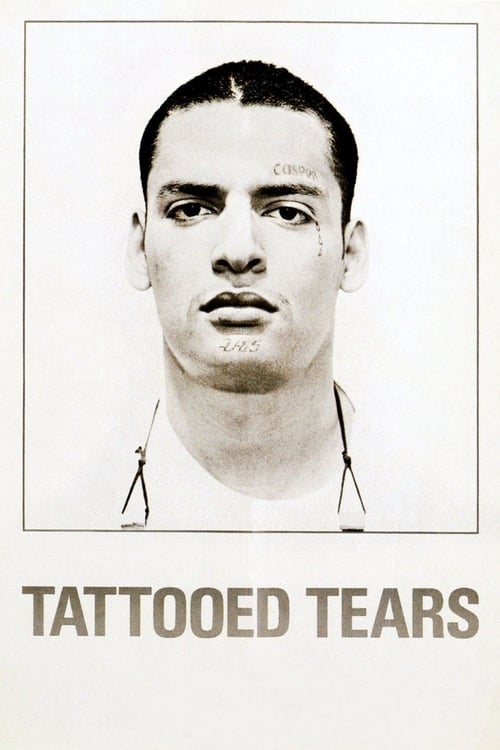
Tattooed Tears provides a raw, observational look at a maximum security juvenile facility in Chino, California. The collaboration between Joan Churchill and Nick Broomfield creates a narrative that examines systemic environments rather than glorifying institutional authority. The film excels at giving voice to underrepresented individuals, especially through the lived experiences of youths within the justice system. This approach challenges uniform depictions of authority and fosters a more nuanced view of systemic dysfunction. However, the documentary lacks explicit confirmation of specific LGBTQ+ or disability-related character arcs. While the setting suggests these identities are present, the film's primary focus remains on critiquing institutional power.
Category Breakdown
The film focuses on life within a juvenile correctional facility, where LGBTQ+ identities might naturally emerge. Specific LGBTQ+ character arcs are not detailed, but the observational style allows for diverse identities to surface.
By focusing on youths stripped of adult control, the documentary disrupts traditional hierarchies. It challenges typical masculine roles of authority and discipline through a lens of vulnerability.
Set in Chino, California, the film highlights significant racial and ethnic diversity. Characters of color have prominent roles through personal testimonies, giving them substantial influence.
The narrative criticizes Western institutional power and systemic oppression. It avoids simplistic views of justice, offering a complex, anti-institutional perspective on state-run structures.
While specific details on neurodivergence are not confirmed, the setting often involves individuals dealing with mental health issues. The directors' style suggests these elements are treated with significant influence.
Present on Screen
Limited or Absent
Official Synopsis
An intimate, hands on encounter with a maximum security juvenile correctional facility in Chino California.
1978
1967

1995

1979
2015

2020
1976
2012
No reviews yet. Be the first to share your thoughts on this movie!
Use the rating form above to leave a star rating and optional review.