Field Diary
1982
No user ratings available yet
Representation score: 3.7 out of 10
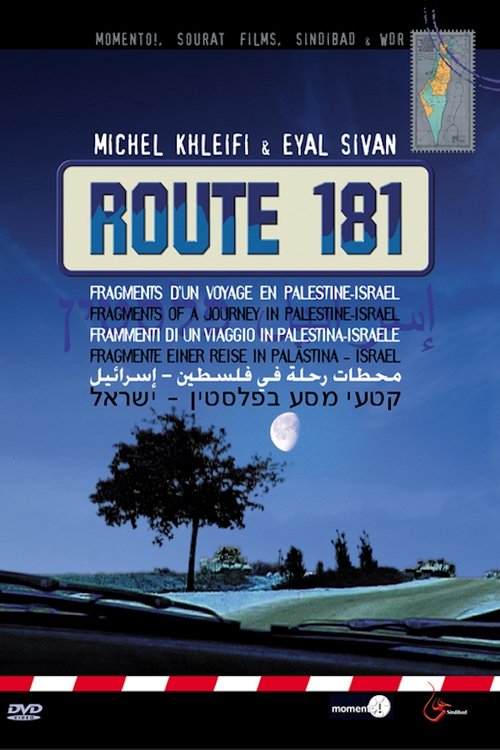
Representation Score
Fair
2004
Director
Michel Khleifi, Eyal Sivan
Runtime
270 minutes
Average Rating
No ratings yetNew Showbiz Analysis
Route 181 is a sophisticated cinematic essay that deconstructs the concept of the border as both a physical and psychological construct. By employing a non-linear structure, the filmmakers move beyond standard observational documentary formats to challenge traditional geopolitical hierarchies. The film's primary impact comes from its commitment to post-colonial perspectives. It successfully centers Palestinian perspectives within a landscape shaped by external political forces and systemic displacement. However, the work is limited by its narrow thematic scope. The focus on landscape and systemic structures means that individual identities regarding gender and sexual orientation are largely absent from the narrative.
Category Breakdown
The documentary focuses on geopolitical landscapes and the physical realities of the conflict. It contains no discernible LGBTQ+ characters or narratives addressing non-assuming gender matches what was assigned at birth identities.
The film lacks traditional character-driven gender arcs due to its focus on political geography. While it avoids reinforcing patriarchal leadership, it lacks specific character's ability to drive the story.
The film centers Palestinian lived experiences and deconstructs settler-colonial frameworks. It uses the physical journey to prioritize the perspectives of a underrepresented population.
The narrative functions as a critique of Western-aligned geopolitical structures and state-imposed borders. It prioritizes the subjective truth of the occupied over official state narratives.
Disability is not a central narrative theme. While occupation impacts collective bodily autonomy, no specific characters are utilized as disability advocates.
Present on Screen
Limited or Absent
Official Synopsis
Route 181 is the epic record of a road trip undertaken in the summer of 2002 by two filmmakers, one Palestinian and one Israeli, along sections of what had been designated as the border between Israel and Palestine by U.N. Resolution 181 in 1947.
1982
2011
1991
2024
2004
2015
2001
2019
No reviews yet. Be the first to share your thoughts on this movie!
Use the rating form above to leave a star rating and optional review.