
Army of Shadows
1969
No user ratings available yet
Representation score: 1.4 out of 10
Representation Score
Minimal
1967
ApprovedDirector
Costa-Gavras
Runtime
111 minutes
Average Rating
No ratings yetNew Showbiz Analysis
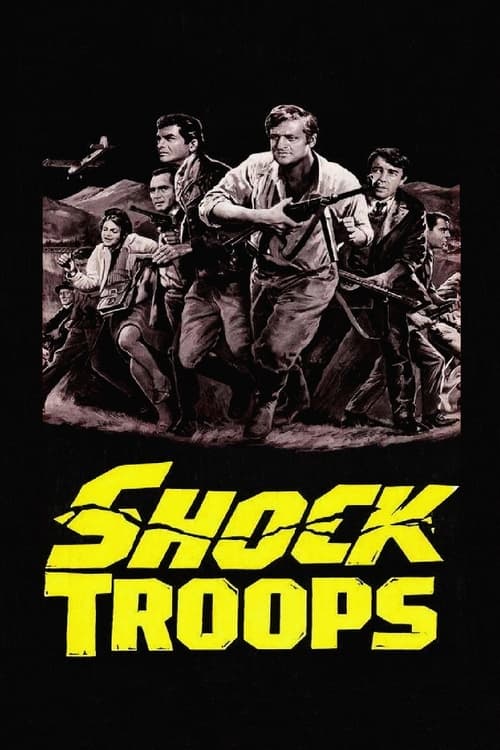
Shock Troops is a film that prioritizes the deconstruction of institutional power. While it lacks diverse representation regarding race, gender, and sexuality, it offers a sophisticated critique of state authority. The narrative's strength lies in its exploration of moral ambiguity and the failures of traditional legitimacy during wartime. However, the film remains tied to the traditional demographic compositions of its 1940s setting. Ultimately, the film functions more as a political study of systemic oppression than a diverse social tapestry, focusing on the complex interrogation of situational ethics rather than demographic variety.
Category Breakdown
The film centers on a masculine-coded military resistance unit. There are no representations of LGBTQ+ identities or same-sex relationships.
Male characters dominate leadership and combat roles, reflecting a patriarchal structure. Female characters play supporting roles within the resistance framework.
The cast is primarily composed of white Europeans, mirroring the demographics of the French Resistance during World War II but lacking a multi-ethnic perspective.
The film effectively critiques established institutions like the Vichy regime. It delves into moral relativism and the ethical complexities of unconventional resistance against an occupying force.
There are no prominent depictions of physical or neurodivergent disabilities used as central character arcs or plot devices.
Present on Screen
Limited or Absent
Official Synopsis
A French resistance group free twelve soldiers from a German prison camp, but apparently there's an additional detainee among them suspected of being an enemy spy.
1969

1956

1944
1969
1967

1962

1986
1963
No reviews yet. Be the first to share your thoughts on this movie!
Use the rating form above to leave a star rating and optional review.