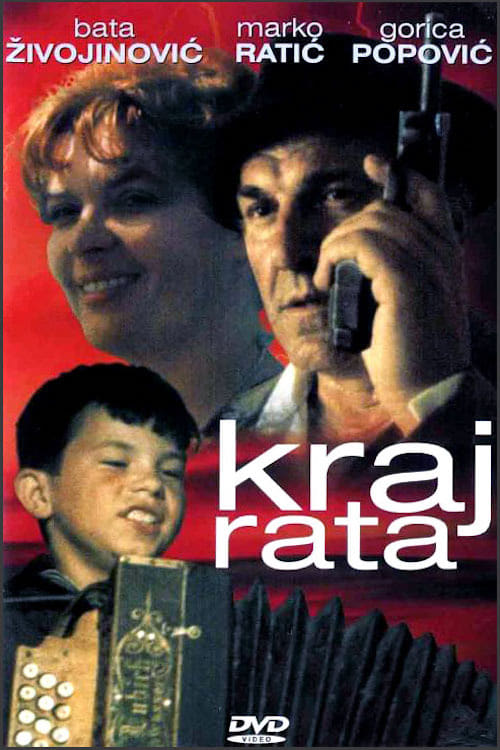
The End of War
1984
No user ratings available yet
Representation score: 6.1 out of 10
Representation Score
Limited
1986
PGDirector
Fons Rademakers
Runtime
144 minutes
Average Rating
No ratings yetNew Showbiz Analysis
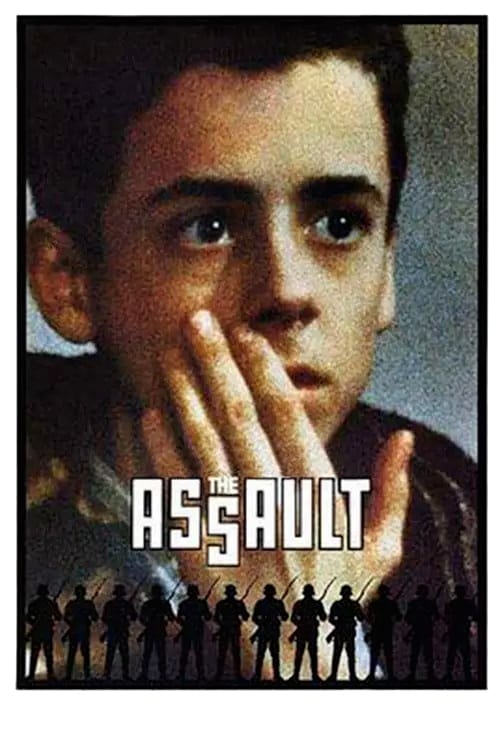
The Assault is a period-specific drama that prioritizes historical realism and psychological depth over modern demographic representation. It focuses on the trauma and memory erosion caused by the Nazi occupation of the Netherlands. While the film lacks diversity in terms of race and LGBTQ+ identities, it succeeds in its nuanced portrayal of mental health. The narrative deconstructs the idea of an 'ordered' family and avoids a sanitized, patriotic view of war. Ultimately, the film's value lies in its refusal to provide easy answers, instead presenting a fragmented, subjective truth regarding survival and systemic collapse.
Category Breakdown
The film adheres to a traditional framework that assumes everyone is straight and cisgender. There are no depictions of LGBTQ+ identities or themes.
Women are shown as victims of systemic violence and vulnerability during the German assault. The film does not actively challenge gender hierarchies through female-driven narratives.
The cast is a homogeneous European group, reflecting the specific demographic reality of the 1940s Netherlands. There is no intentional blending of diverse backgrounds.
The narrative critiques the stability of Western institutions by focusing on psychological fragmentation. It avoids heroic clichés, opting for a complex, postmodern view of morality.
The film provides a profound depiction of invisible disability through the lens of PTSD. The protagonist's psychological trauma serves as a central narrative driver.
Present on Screen
Limited or Absent
Official Synopsis
At the end of WWII the Dutch resistance kills a German officer in front of the house of a Dutch family. Years after the war the young boy who witnessed the killing runs into the members of the resistance who committed the killing.
1984
1977

2015

1969

2019
1974
1967
2010
No reviews yet. Be the first to share your thoughts on this movie!
Use the rating form above to leave a star rating and optional review.