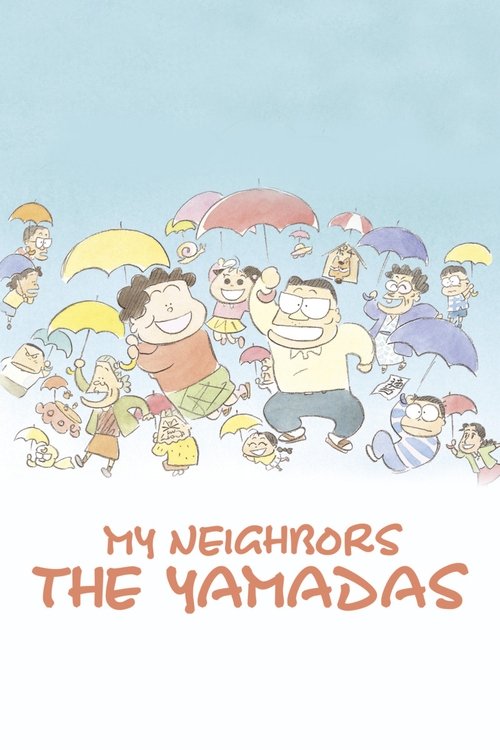
My Neighbors the Yamadas
1999
No user ratings available yet
Representation score: 6.1 out of 10
Representation Score
Limited
1990
Director
Yumiko Suda
Runtime
94 minutes
Average Rating
No ratings yetNew Showbiz Analysis
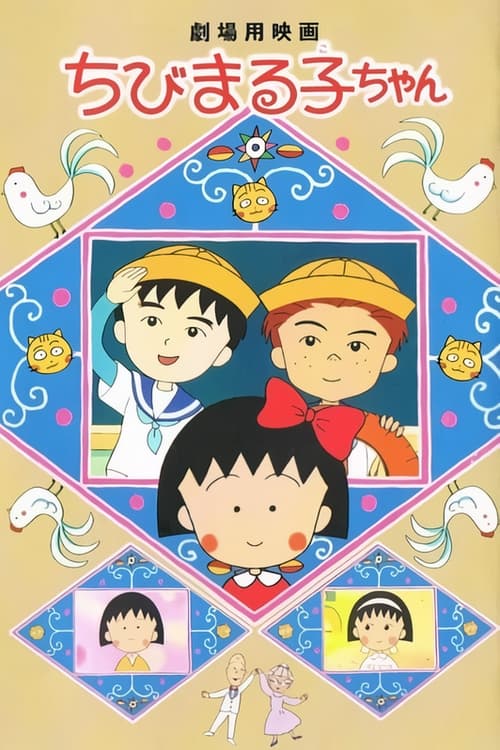
Chibi Maruko-chan (2019) operates as a slice-of-life observational comedy that emphasizes domestic realism over progressive narrative shifts. The series excels at capturing the authentic, often messy social dynamics of childhood, particularly through its relatable female lead. However, the work is constrained by its historical and cultural specificity. The cast remains ethnically homogeneous, and the narrative lacks any explicit representation of LGBTQ+ identities or disability. The focus stays on mirroring the social realities of its specific setting rather than pursuing layered social perspectives. Ultimately, the series is a character study designed for cultural continuity, providing a meaningful portrayal of a young girl's ability to act while avoiding traditional hierarchies.
Category Breakdown
The series does not feature any visible LGBTQ+ characters or narratives. It focuses on the social hierarchies within a 1970s-era school setting, without exploring non-straight relationships or identities.
Maruko serves as a central female protagonist with significant emotional ability to act. She deals with social pressures and power struggles with classmates, providing a nuanced view of childhood through her internal thoughts.
The cast is ethnically uniform, reflecting the specific Japanese cultural and temporal setting. There is no indication of multicultural blending or intentional racial diversity within the main cast.
The narrative follows traditional social structures and family dynamics. It avoids idealized child archetypes, instead offering a realistic depiction of childhood through Maruko's everyday struggles and social observations.
There are no visible or invisible disabilities highlighted as central to the character arcs or plot mechanics in this version.
Present on Screen
Limited or Absent
Official Synopsis
Chibi Maruko chan is the nickname of a sweetly obnoxious 9-year-old girl. She tricks her grandfather, ponders for hours over how to spend her allowance, and hates sitting next to ugly boys. She talks, feels and lives just as real kids do. As the second term commences, Maruko and her classmates return to their small groups. Maruko’s group includes two naughty boys and Maruko is forced to be one of their subordinates. She seems to face a lot of pressure at school.
1999

1995

1995

2010

2011

1973
1992
2016
No reviews yet. Be the first to share your thoughts on this movie!
Use the rating form above to leave a star rating and optional review.