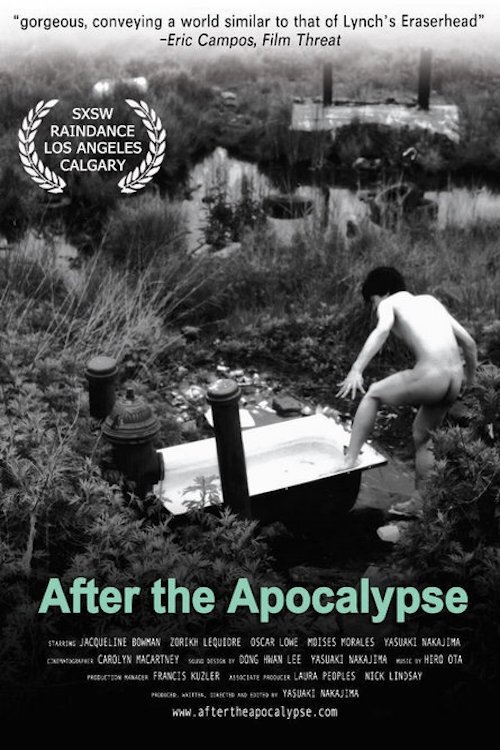
After the Apocalypse
2004
No user ratings available yet
Representation score: 4.8 out of 10
Representation Score
Good
2003
Director
Nelson Yu Lik-wai
Runtime
96 minutes
Average Rating
No ratings yetNew Showbiz Analysis
Nelson Yu Lik-wai’s film is a stylized, experimental exploration of identity and urban existence. It excels in its cultural authenticity and challenges patriarchal storytelling through female-centric emotional landscapes. The film avoids the homogenized aesthetics common in Western-centric media. However, it remains limited by a lack of explicit representation, such as visible disability or clear LGBTQ+ character arcs, relying instead on subtext and psychological themes.
Category Breakdown
The film doesn't have central LGBTQ+ characters or explicit queer storylines. However, urban isolation allows for fluid human connections that remain mostly implied.
The film disrupts traditional gender hierarchies by emphasizing female subjectivity and emotional depth. Women play significant roles through psychological complexity rather than conventional domestic or submissive roles.
The film offers an authentic depiction of the Hong Kong landscape with a predominantly Cantonese-speaking cast. It avoids Westernized casting norms by focusing on a specific, localized regional identity.
The story uses a fragmented postmodern structure to criticize the alienation of hyper-capitalist metropolitan life. It focuses on individual psychological states rather than traditional social cohesion and norms.
The film does not prominently depict physical or neurodivergent disabilities. It explores psychological fragmentation as a form of urban alienation but lacks specific, agentic representation of disability.
Present on Screen
Limited or Absent
Official Synopsis
In a future century, after the apocalypse, Gui Dao dynasty controls continental Asia. Zhuai and his younger brother Mian are captured and sent to "Prosperity Camp" for reeducation. They soon discover that the camp's aim is to brainwash people with propaganda. Five years later, there's a change in government and they are free again. Zhuai falls in love for the beautiful Xuelan and together they take her to an old industrial city, now deserted. They get themselves a place to live in an abandoned apartment and try to rediscover the little pleasures of life.
2004

1986
2016
2011
2005

1959

1985
1983
No reviews yet. Be the first to share your thoughts on this movie!
Use the rating form above to leave a star rating and optional review.