
Embers
2015
No user ratings available yet
Representation score: 4.8 out of 10
Representation Score
Fair
2004
Not RatedDirector
Yasuaki Nakajima
Runtime
72 minutes
Average Rating
No ratings yetNew Showbiz Analysis
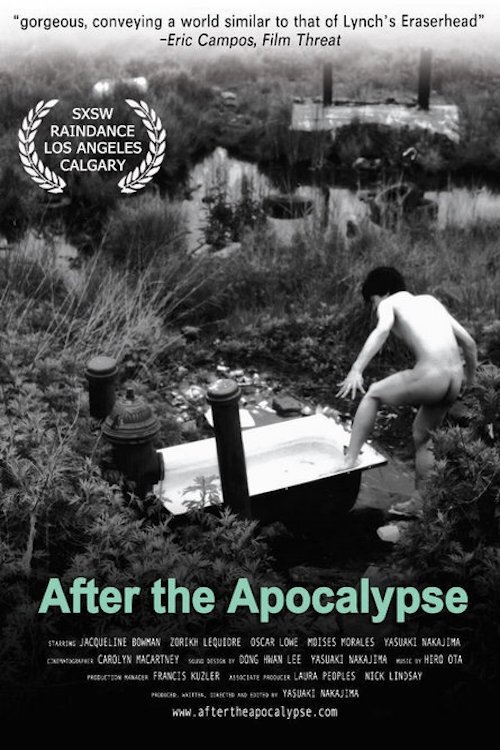
The film serves as a study of systemic erasure in a post-war landscape. It replaces established social hierarchies with a focus on situational ethics and reconstructed identities. By stripping characters of language, the narrative disrupts conventional power dynamics. While the film lacks explicit evidence of multi-layered casting or overt identity politics, its structure is inherently disruptive. It challenges the stability of government, history, and communication.
Category Breakdown
The film features five survivors, but there is no explicit mention of LGBTQ+ identities or non-cisgender expressions.
The film includes one woman among four men, which could reinforce patriarchal dynamics. However, the loss of verbal communication challenges traditional masculine power structures.
The racial and ethnic backgrounds of the survivors are not specified. The post-war setting provides a blank slate, but character details are missing.
The story critiques the failure of global institutions after a Third World War. It examines the breakdown of established social orders and cultural hierarchies.
The characters face a shared communicative disability due to war gases. This impairment is central to their lives, requiring a study of neuro-social adaptation.
Present on Screen
Limited or Absent
Official Synopsis
A futuristic drama about five survivors trying to make sense of a New World after a devastating urban catastrophe challenges their basic human needs. Set in a bleak, post-urban landscape in the aftermath of the Third World War, the film presents a strangely limited environment where a single woman and four men are forced to communicate without words as a result of destructive gasses from the war. When their pasts are erased by the war, they are forced to recreate their lives both individually and collectively.
2015

1986
2001
1962

2003
1983
2015

1959
No reviews yet. Be the first to share your thoughts on this movie!
Use the rating form above to leave a star rating and optional review.