Quixote
1965
No user ratings available yet
Representation score: 4.5 out of 10
Representation Score
Fair
1969
Director
Richard Myers
Runtime
110 minutes
Average Rating
No ratings yetNew Showbiz Analysis
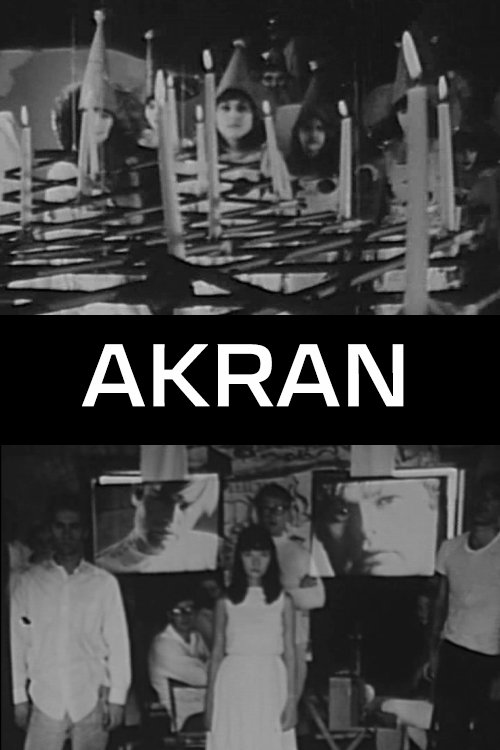
Akran is an experimental mosaic of memory that prioritizes sensory texture over traditional plot. While it lacks explicit demographic representation, it succeeds in subverting the cohesive, optimistic narratives typical of mainstream cinema. The film's strength lies in its systemic critique of Western modernity and consumerism. It uses a fragmented, non-linear style to reflect the alienation of technological society, offering a profound cultural commentary. However, the work lacks clear evidence of racial, gender, or LGBTQ+ diversity. The focus on internal psychological states and a specific Ohioan milieu suggests a narrow social scope that misses broader identity-driven storytelling.
Category Breakdown
The film does not include explicit representations of LGBTQ+ characters or non-straight relationships. Instead, it focuses on internal psychological states and sensory impressions, suggesting a preoccupation with alienation rather than identity-driven social narratives.
By emphasizing texture and sensory impressions over a linear plot, the film avoids traditional masculine hero clichés. However, it remains unclear whether women play a significant role in driving the story or are simply part of the fragmented landscape.
Set in Ohio, the film appears to reflect a potentially homogeneous social environment. The cast list and setting suggest a lack of racial diversity or non-Anglo-Saxon representation.
The film provides a strong critique of Western technological consumer society. It uses an anxious allegory to deconstruct the stability of modern American life and capitalist social structures.
There are no documented mentions of characters with visible or invisible disabilities. While the dream-like, anxious tone might relate to neurodivergent sensory processing, this is purely speculative.
Present on Screen
Limited or Absent
Official Synopsis
"A feature-length deluge of incessant, brilliant bursts of images (short takes and jump cuts, single frames in series, freeze-frames slightly altered between takes) it creates a Joyce-like dense and sombre mosaic of memory and sensory impressions, a texture instead of a plot, a dream-like flow of visually-induced associations often flashing by faster than they can be absorbed. Described by the director as an 'anxious allegory and chilling album of nostalgia,' its penetrating monomania is unexpectedly — subversively — realized to be a statement about American today: the alienation and atomization o technological consumer society is reflected in the very style of the film." - Amos Vogel, Film as a Subversive Art. Preserved by the Academy Film Archive in 2010.
1965
1967
1968
1983
1985
2011
1971
1967
No reviews yet. Be the first to share your thoughts on this movie!
Use the rating form above to leave a star rating and optional review.