
First Love
2004
No user ratings available yet
Representation score: 6.6 out of 10
Representation Score
Fair
1997
Director
Dana Vávrová
Runtime
97 minutes
Average Rating
No ratings yetNew Showbiz Analysis
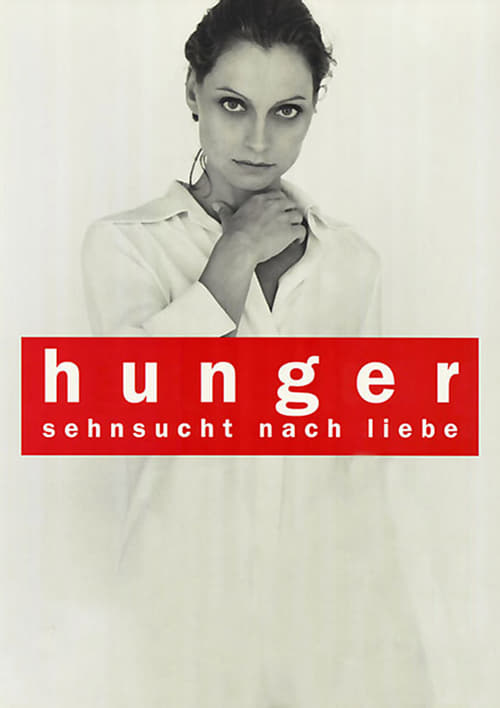
Hunger - Addicted to Love is a specialized psychological drama that trades broad demographic variety for deep, character-driven exploration. Its primary strength lies in its refusal to treat mental health as a mere plot device, instead offering a realistic look at the intersection of systemic war trauma and individual pathology. While the film lacks representation for LGBTQ+ and diverse ethnic groups, this is largely a reflection of its specific 1940s Czechoslovakian setting. The narrative focuses heavily on the internal struggles of the protagonist, making it a concentrated study of human vulnerability rather than a wide-reaching social survey. Ultimately, the film succeeds by providing a nuanced, non-linear depiction of an eating disorder as a complex emotional struggle. It avoids easy moral resolutions, opting for a complex look at how survivalist ethics and personal illness disrupt conventional life trajectories.
Category Breakdown
The film does not include any LGBTQ+ characters or explore non-straight relationships. The central romance follows a traditional heterosexual dynamic without delving into queer perspectives.
The story centers on the psychological complexities of the female experience and body image. It avoids submissive clichés by giving the protagonist significant control over her actions and decisions.
Set during the Nazi occupation of Czechoslovakia, the cast reflects the homogeneous European context of the 1940s. It depicts historical dehumanization without incorporating diverse ethnic backgrounds.
The wartime setting provides a nuanced critique of institutional stability and social structures. It prioritizes situational morality and individual psychological truth over rigid religious absolutes.
The film offers a sophisticated portrayal of an eating disorder as a manifestation of trauma. It avoids mockery, focusing instead on the grueling reality of psychological illness.
Present on Screen
Limited or Absent
Official Synopsis
Laura loves Simon and Simon loves Laura. But Laura does not love herself enough to let Simon closer to her. The reason being something nobody is allowed to know: she tries to suffocate any kind of feelings by giving in to eating attacks. When Simon finds out, their relationship threatens to break apart.
2004

1992
2019

1974
1995
1991

2024
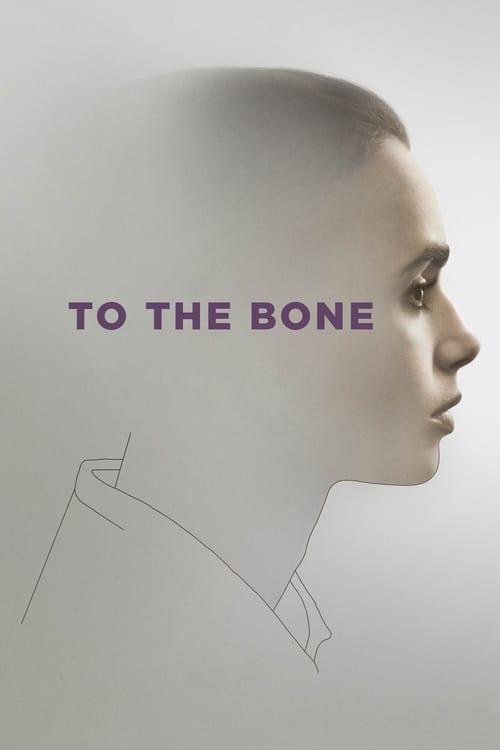
2017
No reviews yet. Be the first to share your thoughts on this movie!
Use the rating form above to leave a star rating and optional review.