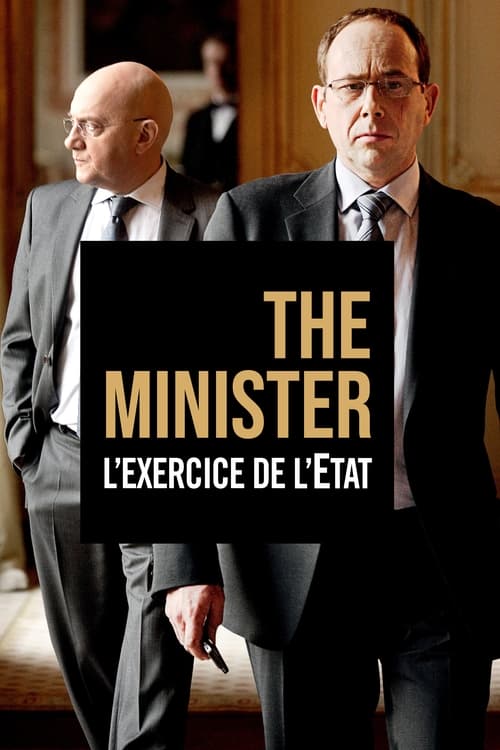
The Minister
2011
No user ratings available yet
Diversity score: 3.4 out of 10

2002
Director
Samir Seif
Runtime
101 minutes
Average Rating
No ratings yetSynopsis
A mix-up leads Ra'fat Rostum to a ministerial seat that he was never meant to have. As he successfully holds onto his office for a long time, he starts having violent nightmares and asks his office manager, Ateya, to accompany him to the North Coast in an attempt to stop the nightmares.
Overall Score
Fair
Category Breakdown
LGBTQ+ Representation
The film lacks explicit evidence of LGBTQ+ characters or non-heteronormative identities. The narrative focus remains centered on the protagonist's political positioning and psychological state.
Gender Representation
Ateya, the office manager, provides essential emotional and logistical support to the protagonist. This role disrupts traditional hierarchies by placing a woman at the center of the hero's private crisis.
Racial & Ethnic Diversity
As an Egyptian production, the film centers a non-Western perspective. It challenges Western-centric storytelling by focusing on local political structures and regional cultural contexts.
Religious & Cultural Diversity
The story critiques the sanctity of state institutions by framing political power as a source of trauma. It uses the ministerial office to explore themes of corruption and moral relativism.
Disability Representation
The protagonist's violent nightmares suggest an engagement with invisible psychological disabilities. These mental health struggles serve as a central driver for the character's arc and the plot.
Strengths
Areas for Improvement
AI Analysis
Samir Seif’s drama offers a compelling critique of systemic power through a non-Western lens. By centering the narrative on the psychological toll of political corruption, the film provides a culturally specific perspective that challenges traditional institutional prestige. The film succeeds in using psychological distress to drive its character study, though it remains subtle in its approach to identity. While gender roles are somewhat expanded through the character of Ateya, the film lacks explicit representation of queer identities. Ultimately, the work's strength lies in its willingness to deconstruct authority. It moves beyond simple political drama to examine the corrosive effects of unearned power on the human psyche.
2011

1982

2003
1973

1988
2006
1987

1996
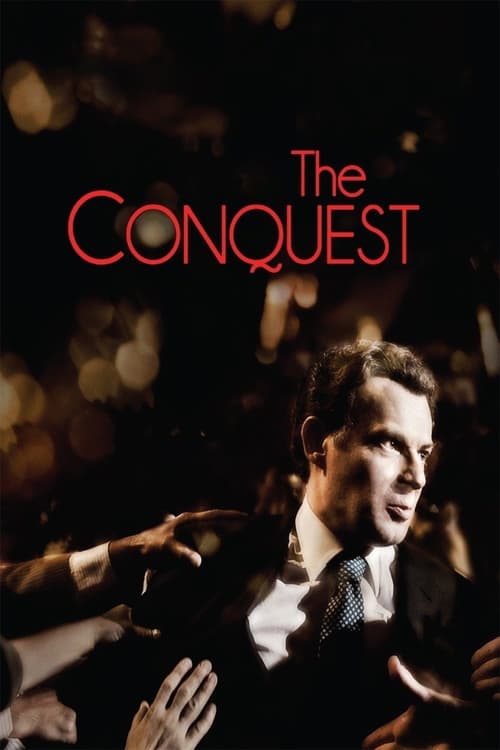
2011
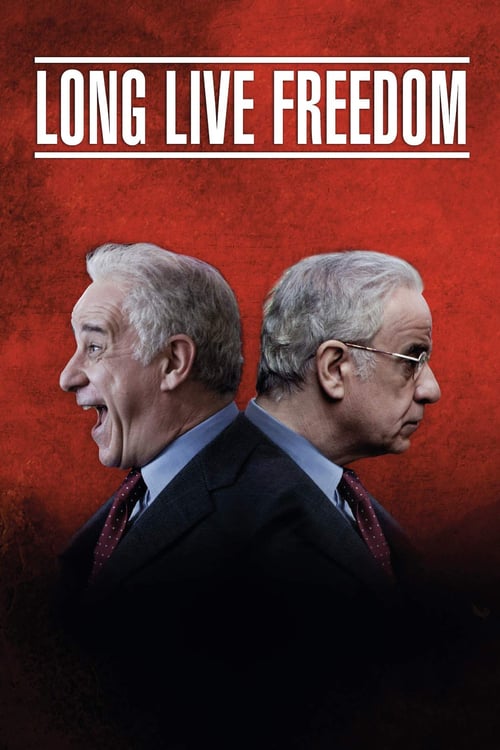
2013
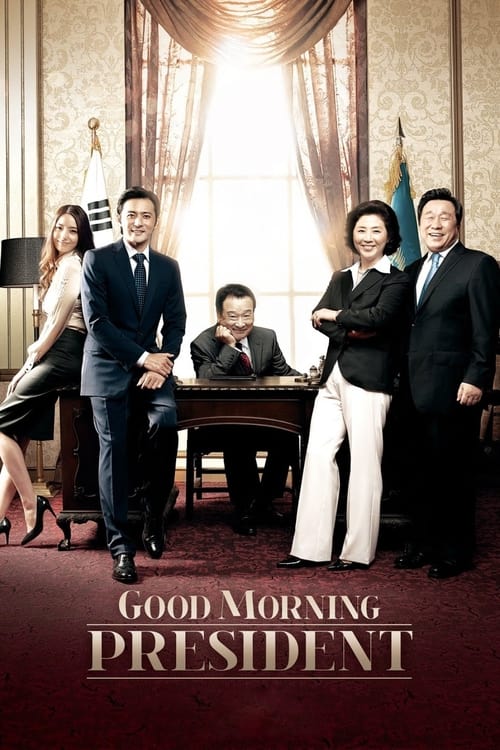
2009

2020
No reviews yet. Be the first to share your thoughts on this movie!
Use the rating form above to leave a star rating and optional review.