Sabah
2005
No user ratings available yet
Diversity score: 6.8 out of 10
1996
Director
Sherif Arafa
Runtime
120 minutes
Average Rating
No ratings yetSynopsis
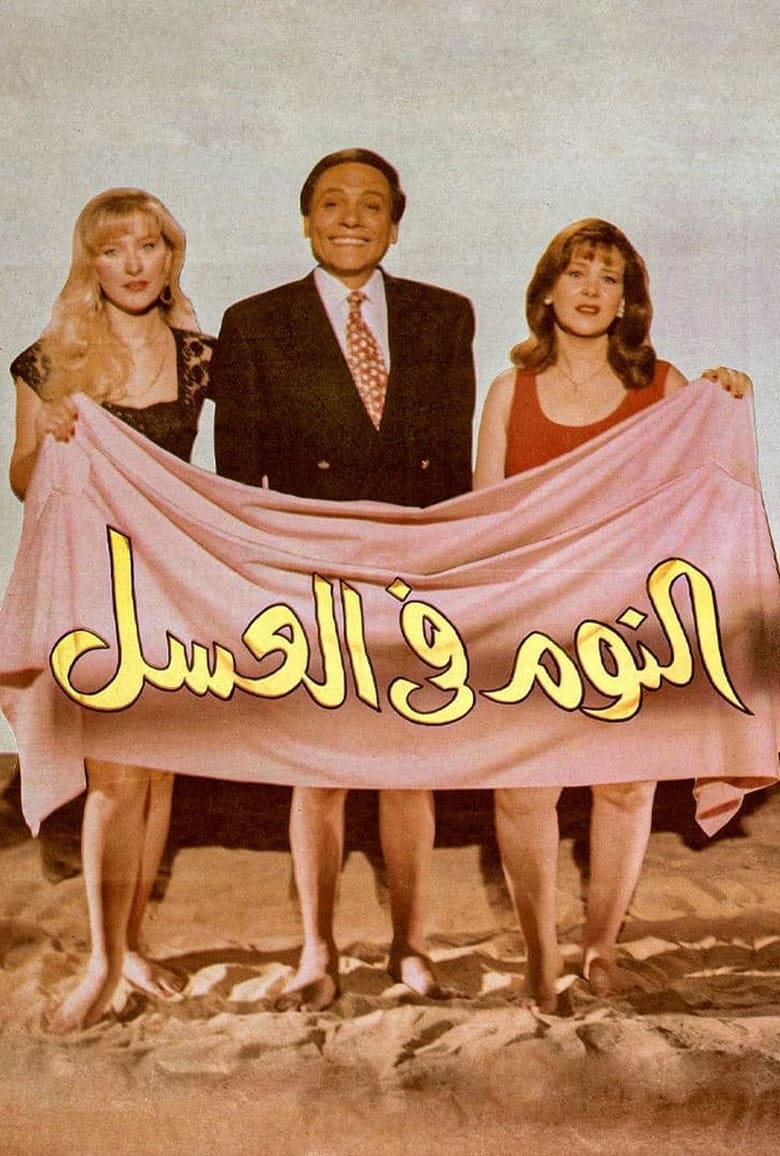
Officer Magdy investigates the suicide of a groom on his wedding night. He knows that the groom was impotent. Later he realizes that impotence is becoming an epidemic that spreads among all men. However, no one wants to declare that out of shame.
Overall Score
Fair
Category Breakdown
LGBTQ+ Representation
The film explores sexual identity through the lens of male virility and impotence. It addresses gendered performance and sexual function, though it frames these issues through social shame rather than explicit queer identities.
Gender Representation
The narrative subverts traditional masculine hierarchies by portraying men as vulnerable and physically compromised. However, the focus remains heavily on the male experience, leaving female agency largely unexamined.
Racial & Ethnic Diversity
As an Egyptian production, the film provides a culturally specific, non-Western perspective. It centers an Arab cast and social context, avoiding Western-centric homogeneity.
Religious & Cultural Diversity
The film critiques social conservatism by framing silence and shame as obstacles to truth. It uses a spreading epidemic as a metaphor to challenge rigid social institutions.
Disability Representation
The plot centers on a physiological condition that functions as a systemic disability. The narrative shows interest in the lived experience of navigating stigmatized physical conditions.
Strengths
Areas for Improvement
AI Analysis
Sweet Oblivion uses social satire to dismantle the archetype of the stable, competent male leader. By centering a crisis of impotence, the film disrupts patriarchal expectations and explores the tension between systemic health issues and societal silence. While the film offers a meaningful non-Western perspective and critiques traditional social rigidity, it lacks deep intersectional visibility. The narrative remains primarily focused on the male experience of physical vulnerability. Ultimately, the work functions as a critique of social conformity, using comedy to navigate sensitive cultural taboos regarding masculinity and shame.
2005
2023

2012
2017
2017
1966
2010
2015
No reviews yet. Be the first to share your thoughts on this movie!
Use the rating form above to leave a star rating and optional review.