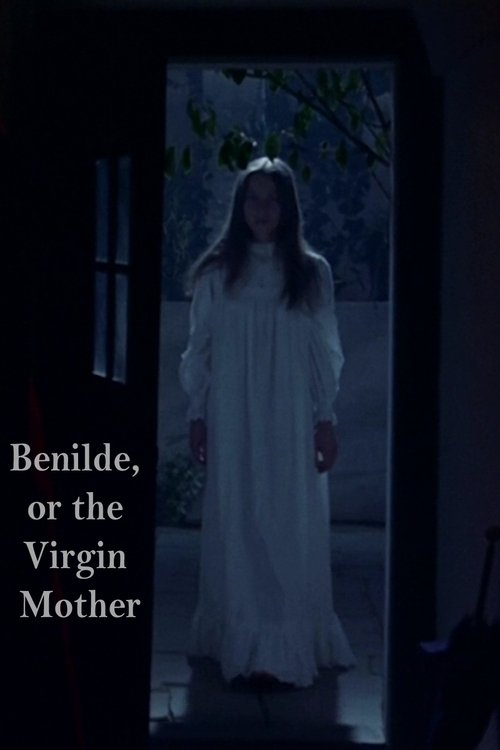
Benilde or the Virgin Mother
1975
No user ratings available yet
Representation score: 7.8 out of 10
Representation Score
Fair
1979
Director
António de Macedo
Runtime
105 minutes
Average Rating
No ratings yetNew Showbiz Analysis
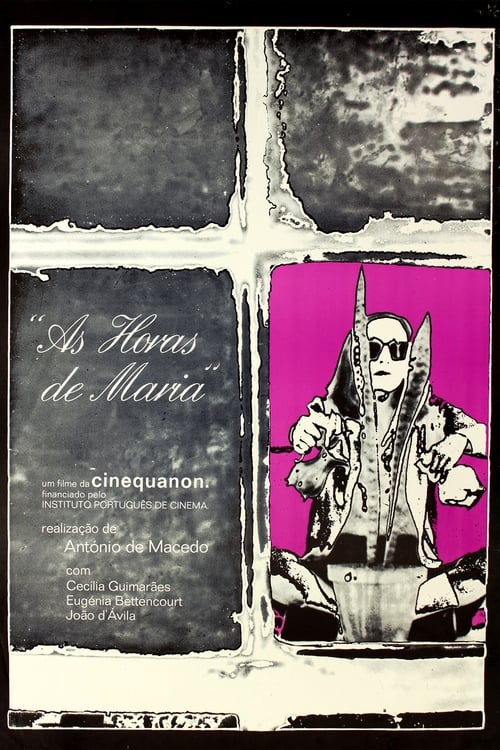
Maria's Hours is a somber psychological drama that emphasizes internal character studies over broad demographic representation. Its primary strength lies in how it centers disability as a fundamental perspective, moving beyond surface-level clichés to explore sensory experiences and trauma. However, the film is deeply rooted in a traditional, homogeneous European context. It lacks LGBTQ+ representation and shows minimal racial or ethnic diversity, remaining anchored in the cultural and religious context of late-70s Portugal. Ultimately, the work serves as a critique of institutional protection, using the protagonist's vulnerability to challenge the perceived safety of religious and familial structures.
Category Breakdown
The film does not include any LGBTQ+ characters or non-assuming gender matches what was assigned at birth identities. It focuses on a central protagonist within a traditional religious and familial framework.
The story centers on Maria, a woman whose role is limited by disability and patriarchal violence. However, the film delves into her internal psychological revelations and resilience.
Produced in 1979, the film appears to feature a homogeneous European cast. There is no indication of diverse casting or subversion of Western norms.
The film uses Catholic imagery to critique the failure of traditional institutions to protect the vulnerable. It questions the sanctity of the family through themes of predatory violence.
Maria's blindness is a central narrative element rather than a minor detail. The film explores the sensory reality and psychological struggles of a blind person navigating her world.
Present on Screen
Limited or Absent
Official Synopsis
Maria, a blind girl apparently raped by her stepfather, is held in an isolated and dilapidated hospice, desperately awaiting a miracle by Our Lady of Fátima. Turned over by Angela, her aunt, into the care of Dr. Firmino, an imposing doctor, she will suffer moments of despair, grace, and fear, among beliefs, phantoms, and revelations.
1975
1967
1991
1987
1972

1943
1973

1994
No reviews yet. Be the first to share your thoughts on this movie!
Use the rating form above to leave a star rating and optional review.