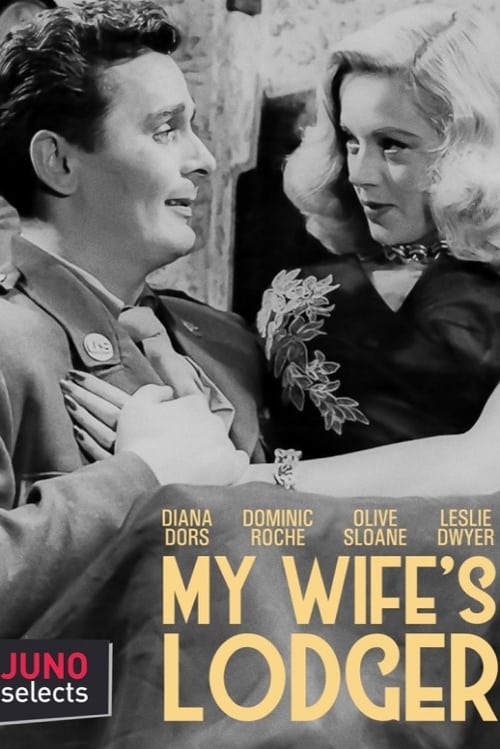
My Wife's Lodger
1952
No user ratings available yet
Representation score: 1.0 out of 10
Representation Score
Minimal
1949
ApprovedDirector
Derek N. Twist
Runtime
83 minutes
Average Rating
No ratings yetNew Showbiz Analysis
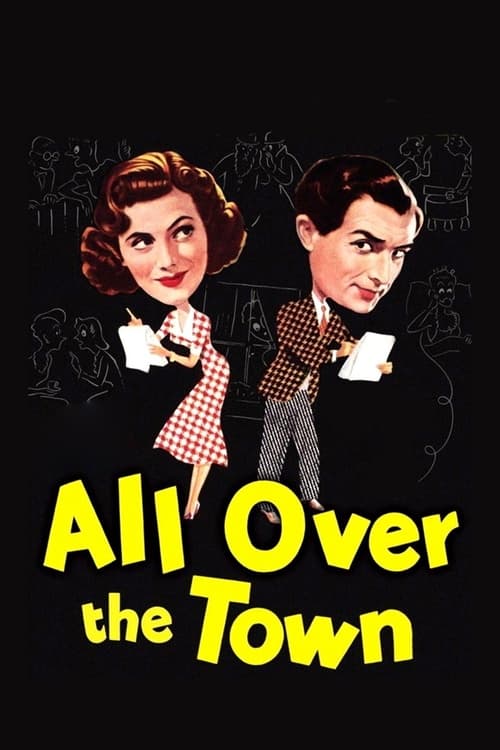
All Over the Town is a period comedy that adheres strictly to the social and demographic conventions of the late 1940s. The plot focuses on a male reporter's professional integrity within a post-war British landscape, offering little room for diverse perspectives. The film's structure reinforces existing hierarchies rather than challenging them. By centering the conflict on male-dominated professional environments, it misses opportunities to represent a broader spectrum of identities. Ultimately, the work functions as a standard professional drama. It reflects the era's focus on Western institutional norms rather than the deconstruction of systemic social structures.
Category Breakdown
The film does not include any explicit LGBTQ+ characters or narratives. It follows a traditional mid-century comedic structure that prioritizes heterosexual relationships and conventional gender roles.
Narrative influence is primarily centered around male characters, including the protagonist and his professional rivals. Female characters do not have significant narrative impact.
The post-WWII British setting suggests a largely homogeneous social landscape. The film reflects the era's tendency to depict Anglo-Saxon social structures as the default norm.
The story explores institutional integrity through journalism. While it questions authority, the framework remains rooted in traditional Western professional and societal institutions.
There is no evidence of characters with physical, neurodivergent, or mental health conditions within the provided narrative details.
Present on Screen
Limited or Absent
Official Synopsis
Newspaper reporter Nat Hearn returns home after serving in the Royal Air Force during World War II. When one of the paper's owners dies, the man's partner and son offers Nat a position as editor in return for his financial backing. But Nat's reluctance to shy away from controversial issues raises more than a few eyebrows.
1952

1949

1959
1942
1946

1949
1957
1949
No reviews yet. Be the first to share your thoughts on this movie!
Use the rating form above to leave a star rating and optional review.