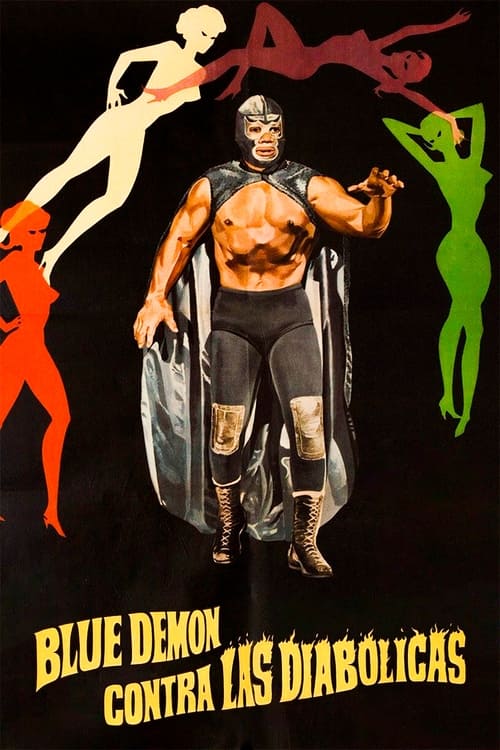
Blue Demon vs. the Diabolical Women
1968
No user ratings available yet
Representation score: 2.7 out of 10
Representation Score
Limited
1992
Director
Juan Fernando Pérez Gavilán
Runtime
0 minutes
Average Rating
No ratings yetNew Showbiz Analysis
The film leverages specific Mexican cultural archetypes to offer ethnic identity, providing a localized alternative to standard Hollywood action clichés. However, it relies heavily on reductive gender clichés, limiting female characters' depth and ability to act. Ultimately, while the film succeeds in cultural specificity, it fails to challenge established social hierarchies or provide diverse character perspectives.
Category Breakdown
The film does not include any LGBTQ+ characters, sticking to traditional genre structures.
Female characters are portrayed through the 'sexy female catburglar' cliché, emphasizing appearance over complex roles or challenging hierarchies.
The film centers Mexican cultural icons, particularly Lucha Libre, disrupting Anglo-centric action clichés by highlighting local sporting culture.
The plot follows a standard conflict between heroism and criminality, focusing on individual physical prowess and traditional action-thriller morality without deeper critique.
There is no discernible information regarding the inclusion or portrayal of characters with physical or neurodivergent disabilities.
Present on Screen
Limited or Absent
Official Synopsis
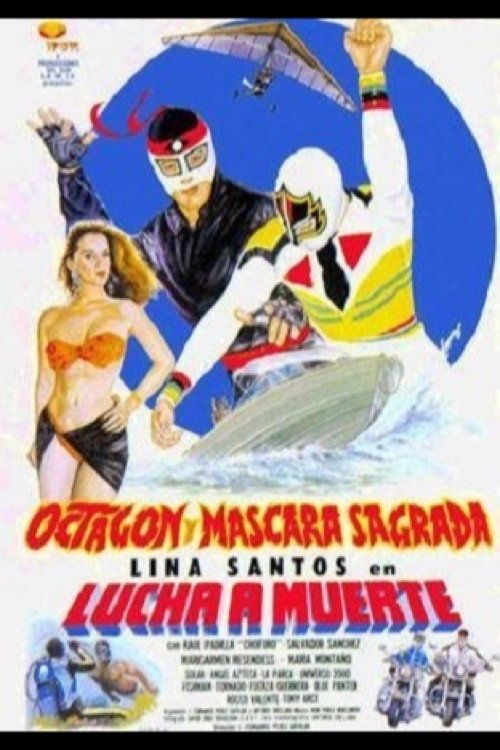
Heroic Mexican wrestler duo Octagon and Mascara Sagrado take on a bevvy of sexy female catburglars led by Lina Santos
1968
1997
1983
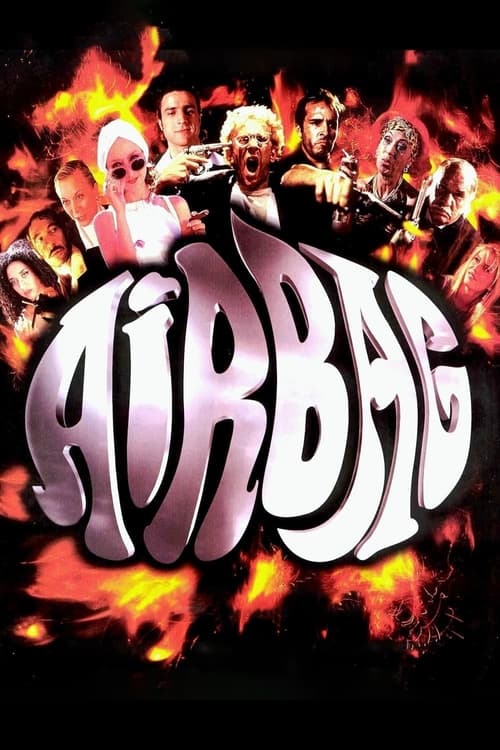
1997
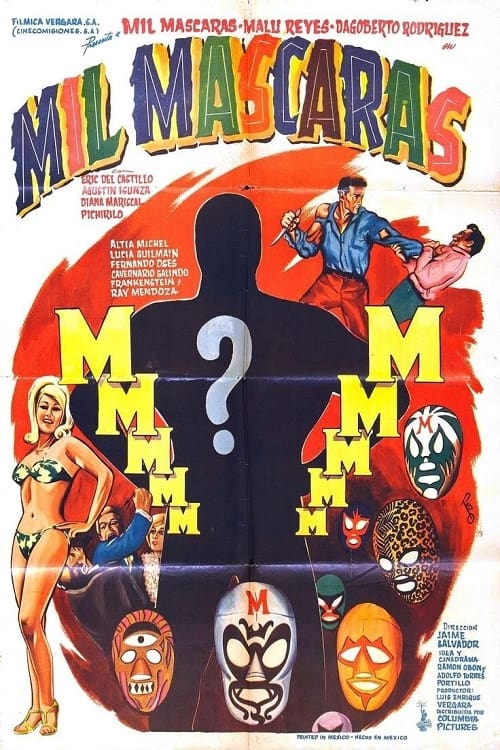
1969
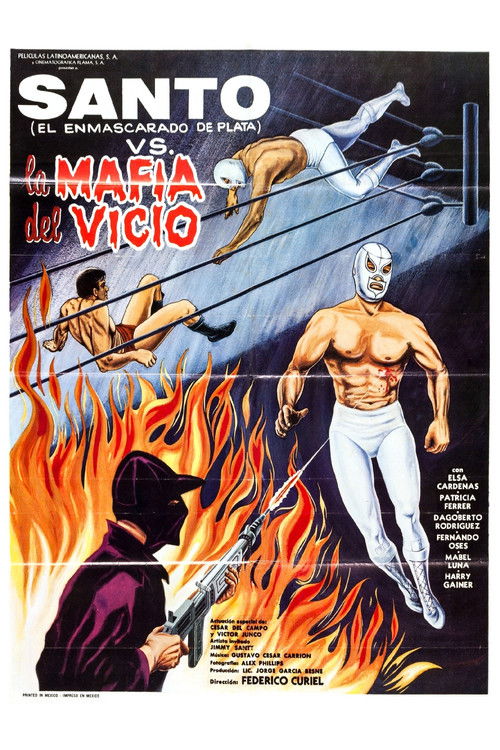
1971
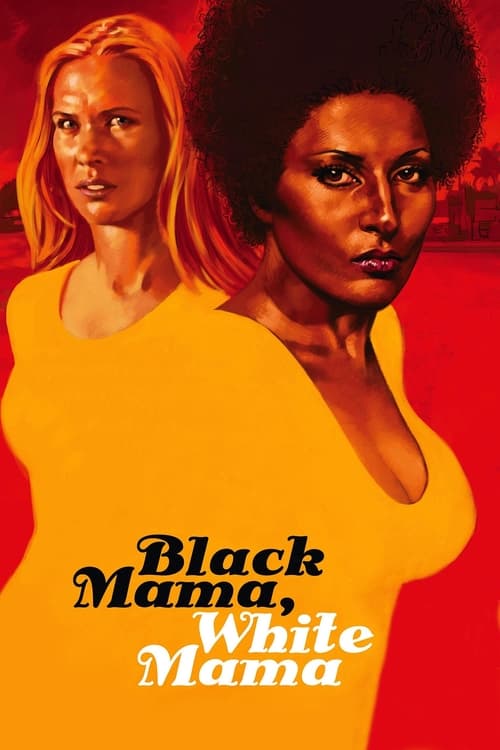
1973
1992
No reviews yet. Be the first to share your thoughts on this movie!
Use the rating form above to leave a star rating and optional review.