Suicide Blonde
1999
No user ratings available yet
Representation score: 1.6 out of 10
Representation Score
Excellent
1997
RDirector
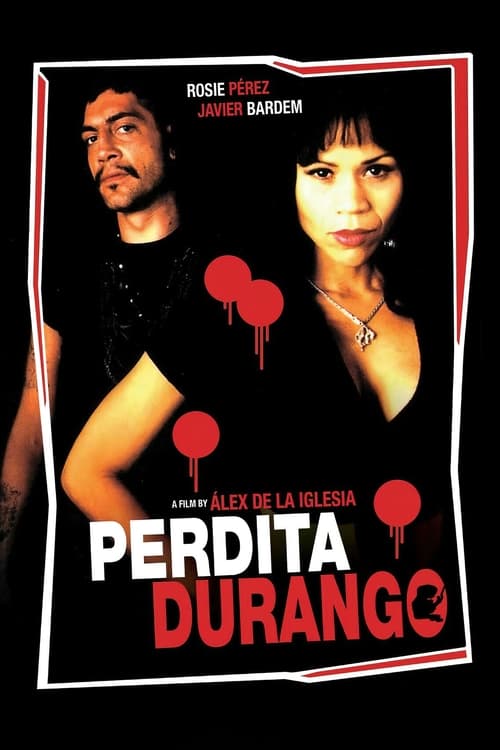
Álex de la Iglesia
Runtime
130 minutes
Average Rating
No ratings yetNew Showbiz Analysis
Dance with the Devil dismantles traditional power structures, especially through its subversion of gendered hierarchies. Perdita Durango is a powerful, autonomous character who rejects passive stereotypes. The film's use of the grotesque effectively challenges social norms and religious sanctity. However, the film's approach to disability relies on historical 'freak show' archetypes, which can be unsettling. While it uses these characters to challenge notions of normalcy, the execution remains tied to traditional clichés. Ultimately, the film is a chaotic, liberating critique of authority. It prioritizes surrealism and moral fluidity over conventional representation, creating a world where social order is constantly deconstructed.
Category Breakdown
The film features a traveling troupe that includes characters who exist outside traditional heterosexual relationships. While romantic relationships are not the main focus, these characters are part of a community that defies conventional norms.
Perdita Durango drives the plot who play a significant role in driving the story and violent impulses. The film challenges traditional feminine roles by featuring strong female characters and portraying masculinity as chaotic or inadequate.
The journey towards Mexico showcases a diverse cultural landscape. The outlaw archetype is used to bypass traditional social hierarchies and homogeneous constraints.
The film criticizes religious and Western institutions through grotesque absurdity. It promotes moral relativism, presenting anti-social behavior as a form of liberation from corrupt systems.
Characters with physical deformities are integrated through the 'freak show' archetype. These depictions challenge the idea of a normal body within the film's grotesque themes.
Present on Screen
Limited or Absent
Official Synopsis
She's sexy, shameless and loves taking people to their limit. She's a dangerous young woman who dreams about a jaguar that licks her naked body and sleeps by her side. Her past is bathed in blood and weird passions. Now she's met the man of her wildest dreams. He's dark, tough and mysterious. He likes robbing banks, trafficking in corpses and spicing it all with voodoo rituals. Together, the duo sets off toward Mexico destined to become the most feared outlaws in the continent.
1999
1974
1988
2005
2010

1965
1998
2000
No reviews yet. Be the first to share your thoughts on this movie!
Use the rating form above to leave a star rating and optional review.